
Choosing lottery prediction software requires more than reviewing its interface or advertised features. Businesses need to assess how the platform processes data, handles growing user demand, maintains system performance, and presents prediction-related insights responsibly.
For operators and technology decision-makers, the evaluation process should focus on three core areas: scalability, accuracy, and performance. These factors influence the platform's reliability, usability, and ability to support long-term business objectives.
1. Evaluate the Platform's Data Processing Capabilities
Data processing is an important consideration in lottery prediction software development. Depending on the platform's purpose, the system may need to collect historical results, organize datasets, identify statistical patterns, and present analytical insights through an accessible interface.
When evaluating a solution, consider whether it supports:
Structured storage of historical lottery results.
Reliable data ingestion and validation.
Efficient processing of large datasets.
Configurable analytical models and reporting tools.
Clear explanations of how predictions or statistical insights are generated.
A well-designed data pipeline helps reduce inconsistencies and makes analytical outputs easier to maintain. However, historical patterns do not guarantee future lottery outcomes, particularly when draws are random and independent.
2. Assess Scalability Before Choosing a Solution
A lottery platform that performs well with a limited number of users may experience difficulties as traffic, data volume, and feature requirements increase.
Businesses should evaluate whether the software architecture can accommodate additional users, new markets, more data sources, and future integrations without requiring a complete redevelopment.
Key considerations include:
Flexible architecture: Modular components make it easier to introduce new functionality.
Database capacity: Storage systems should support growing datasets and efficient queries.
Cloud infrastructure: Where appropriate, cloud resources can help accommodate changing workloads.
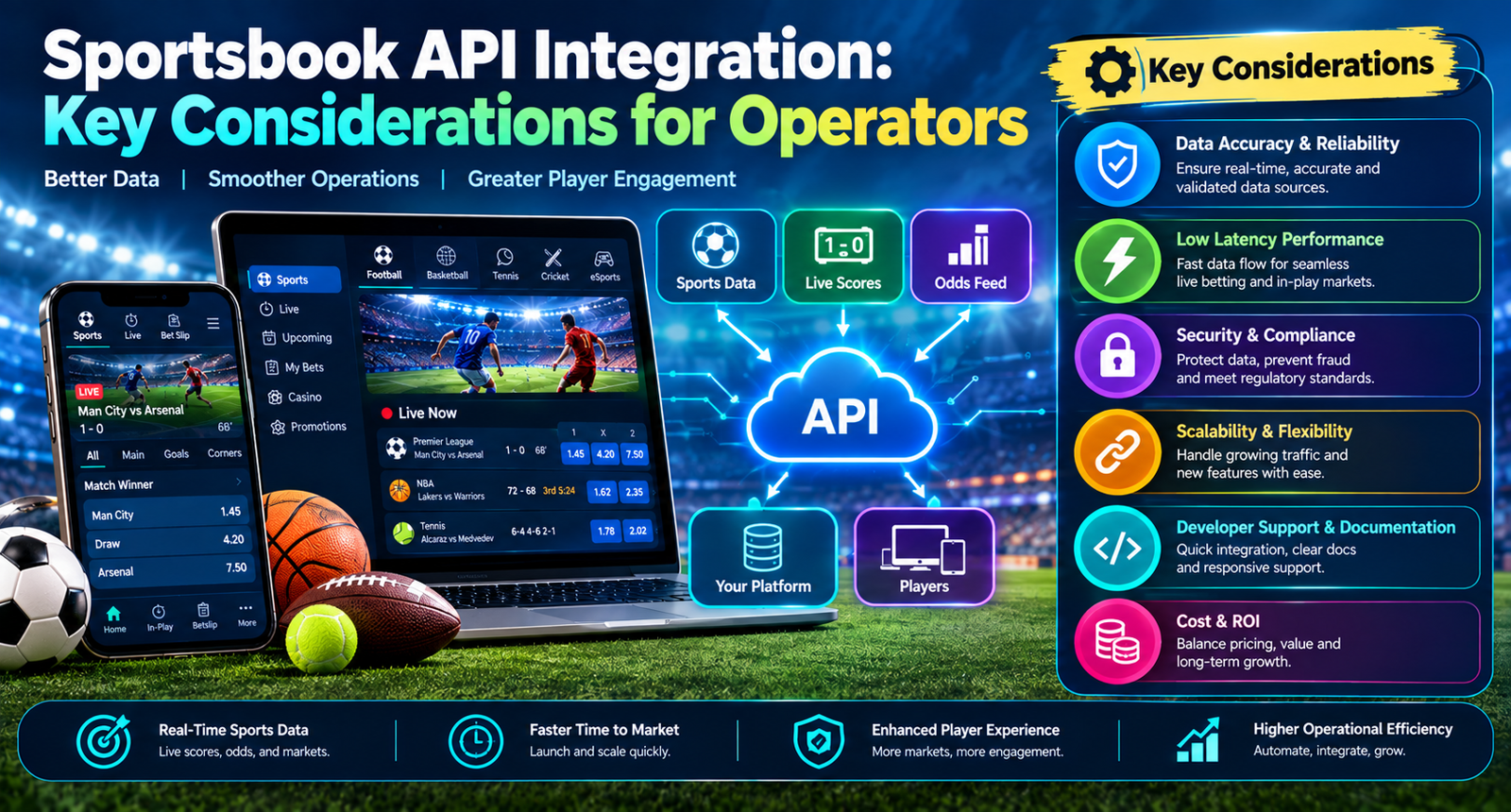
API readiness: Well-documented APIs support integration with external systems.
Load testing: Testing under expected and peak demand helps identify bottlenecks before launch.
Scalability should be demonstrated through measurable testing rather than assumed from a provider's claims.
3. Understand What Accuracy Really Means
Accuracy is particularly important when evaluating prediction-focused platforms, but it needs to be defined carefully.
A provider may describe accuracy in terms of data extraction, result matching, statistical calculations, or predictive model performance. These are different measurements and should not be treated as interchangeable.
Before selecting a platform, ask the provider:
How are historical datasets validated?
How are incorrect or incomplete records identified?
What metrics are used to evaluate analytical models?
Are predictions tested against previously unseen data?
Are performance claims supported by transparent, reproducible results?
Where predictive models are involved, businesses should look for out-of-sample testing and appropriate comparisons against baseline methods. Claims should account for the possibility of chance results and avoid implying that software can reliably predict random lottery draws.
4. Measure System Performance Under Realistic Conditions
System performance affects the experience of both administrators and end users. Slow dashboards, delayed data updates, and failed requests can undermine confidence in an otherwise capable platform.
Evaluate the software using measurable performance indicators, including:
Response time: How quickly do searches, dashboards, and reports load?
Throughput: How many requests can the platform handle within a defined period?
Availability: What uptime targets and monitoring processes are in place?
Data freshness: How quickly are verified results reflected in the system?
Error rates: How frequently do requests fail during normal and peak usage?
Request performance test results and clarify the conditions under which they were recorded. Realistic testing should reflect expected user traffic, data volume, and third-party dependencies.
5. Review Security, Compliance, and Integration Requirements
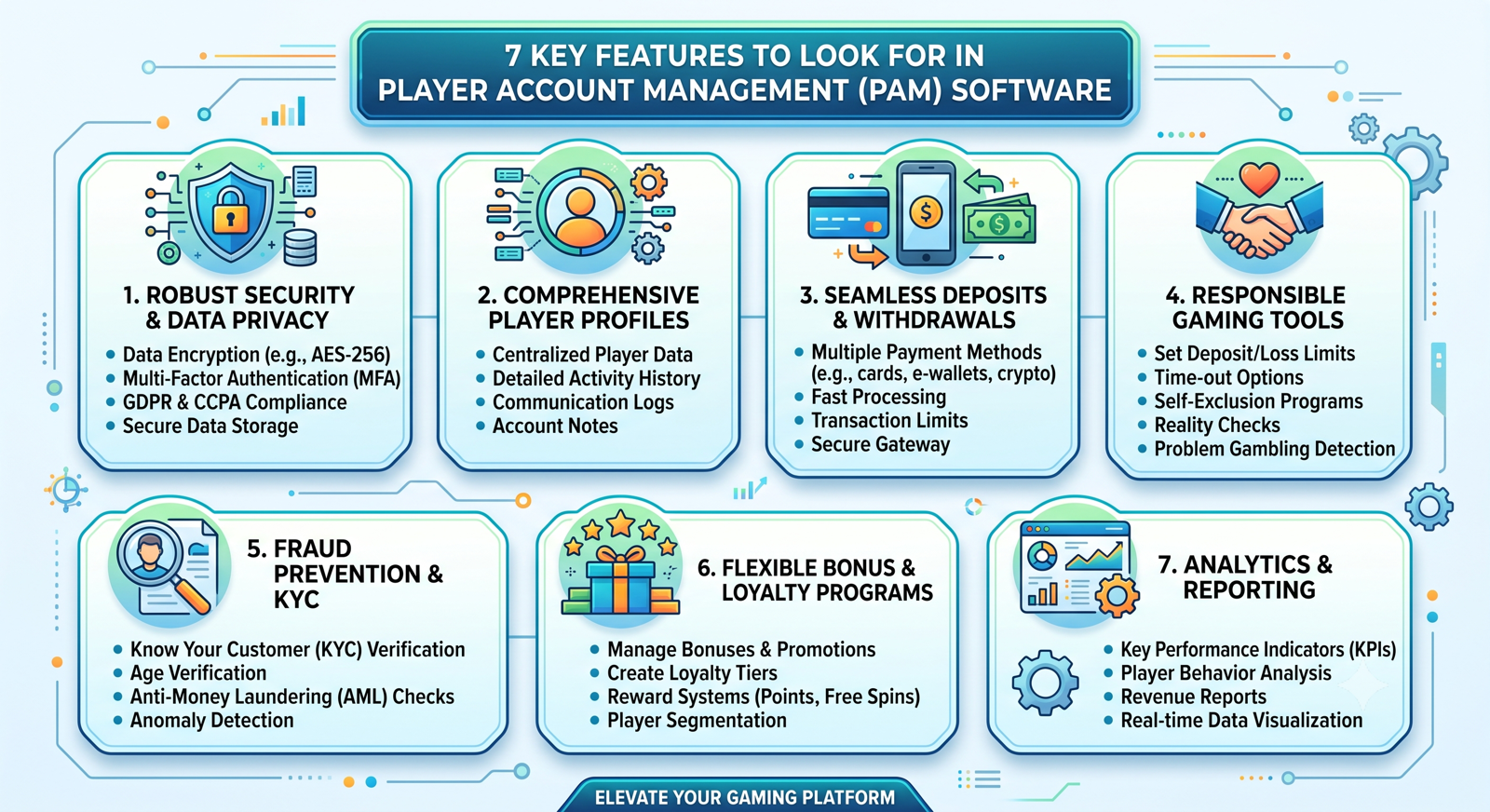
Performance alone does not make a platform suitable for commercial deployment. Businesses should also examine access controls, encryption, audit logs, backup procedures, and disaster recovery capabilities.
Integration requirements deserve equal attention. Depending on the business model, the software may need to connect with analytics tools, customer management systems, notification services, or mobile applications.
Operators should also assess applicable licensing, advertising, privacy, and gaming regulations in each target market. Legal requirements vary by jurisdiction and by the actual functionality offered.
6. Compare Providers Using Practical Evaluation Criteria
A structured assessment helps businesses compare providers consistently instead of relying on demonstrations alone.
Consider requesting a technical demonstration, architecture overview, data-handling documentation, integration specifications, and evidence of load testing. A pilot project can help validate these claims before a larger commitment.
Evaluate each provider against the same requirements, including development flexibility, maintenance support, infrastructure costs, security practices, and future upgrade options.
Conclusion
Evaluating lottery prediction software requires a balanced assessment of data quality, scalability, measurable performance, and responsible analytical capabilities. Businesses that establish clear technical requirements early can make better-informed decisions and reduce the risk of costly limitations after deployment.
For organizations exploring lottery technology, TRUEiGTECH can be considered as a starting point for discussions about software architecture, integration needs, and platform development requirements. The right solution should align with the intended business model, technical priorities, and applicable regulatory obligations.













Write a comment ...