
Launching a digital lottery platform requires more than selecting games and creating a user interface. Operators need technology that can manage users, tickets, payments, draws, results, promotions, reporting, security, and ongoing platform operations.
One of the first technology decisions is whether to develop a custom platform or use ready-made lottery software.
Both approaches have advantages and limitations. The right choice depends on the operator's budget, launch timeline, technical requirements, target markets, and long-term product strategy.
What Is Custom Lottery Software?
Custom lottery software is developed specifically around an operator's requirements. Instead of adapting an existing platform, the business can define the architecture, functionality, interface, integrations, and administrative tools during the development process.
A custom platform can include features such as:
User registration and account management
Lottery ticket management
Draw and result management
Payment integrations
Wallet functionality
Promotions and bonuses
Notifications
Reporting and analytics
Admin dashboards
API integrations
Localization
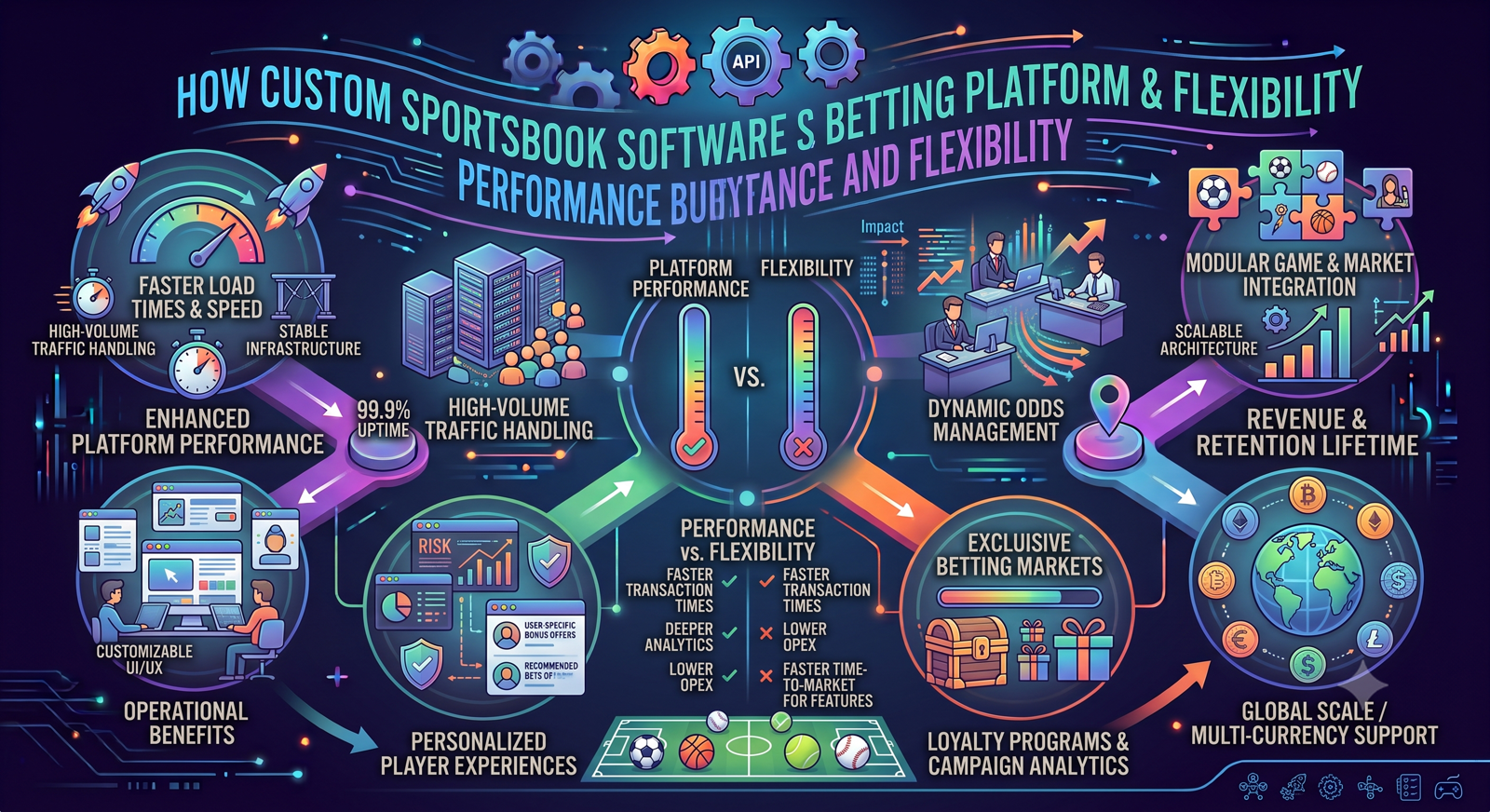
The main advantage is flexibility. Businesses can build functionality around their specific operating model rather than depending entirely on the features already available in a pre-built solution.
What Is Ready-Made Lottery Software?
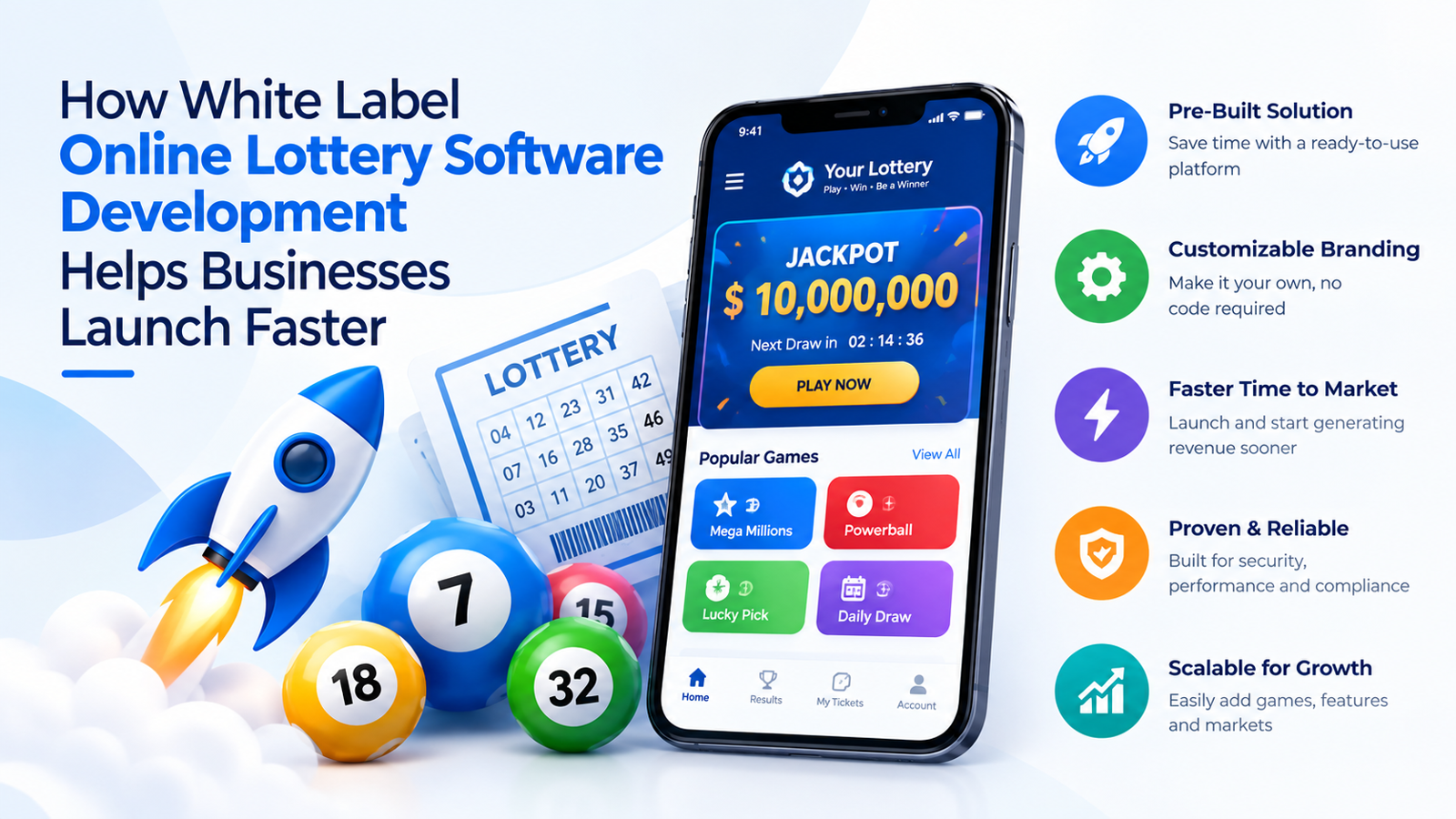
Ready-made lottery software provides pre-developed functionality that can be configured and deployed for an operator.
Depending on the provider, the solution may already include player management, lottery games, payment integrations, administrative tools, reporting, and other core components.
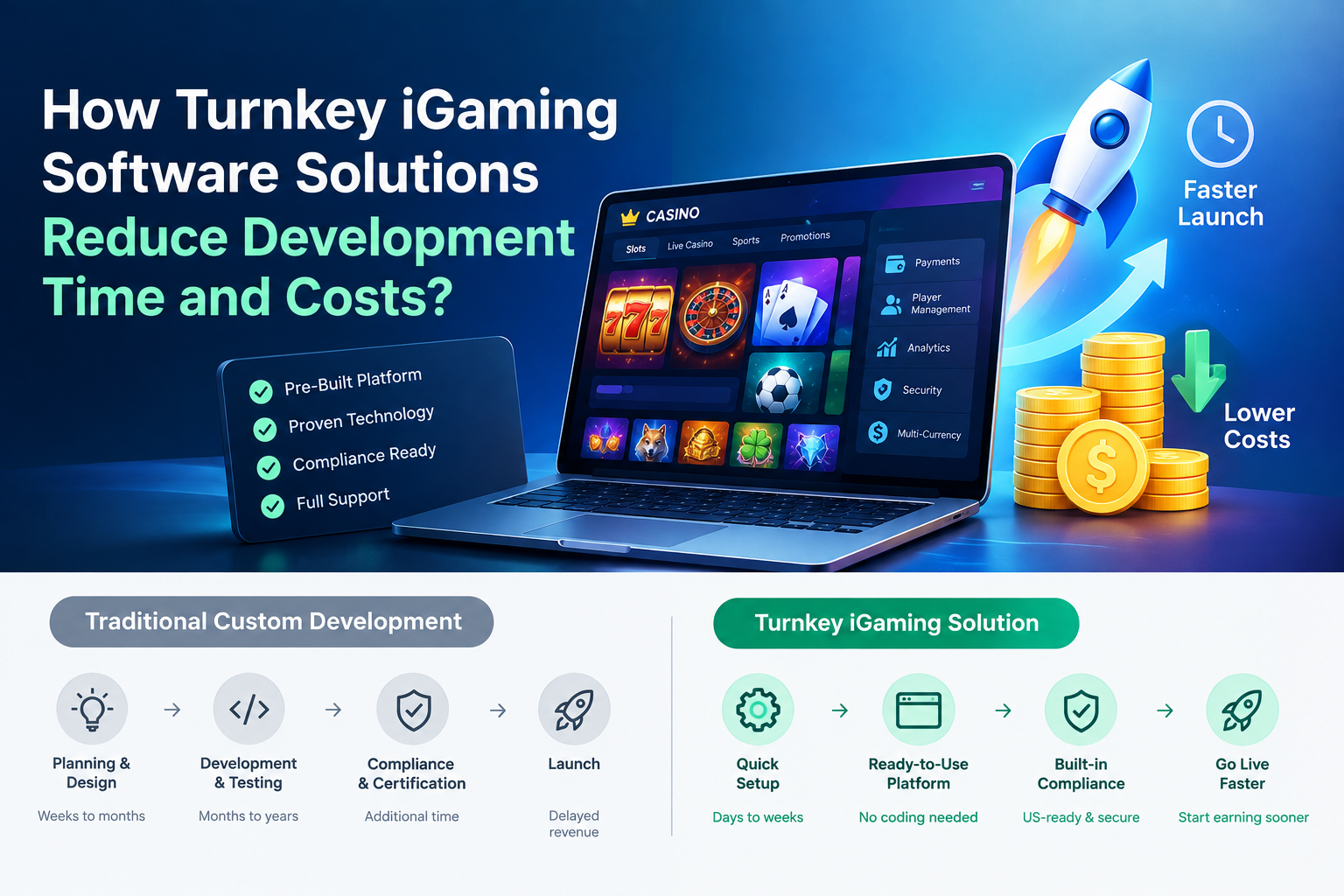
This approach can reduce development requirements and potentially shorten the time needed to bring a platform to market.
However, operators may have fewer options for modifying core functionality compared with a fully custom platform.
Development Time
Launch speed can be an important consideration.
Custom development usually involves requirements analysis, architecture design, UI/UX development, programming, integrations, testing, security reviews, and deployment.
Ready-made software has already undergone much of the core development process. The operator may primarily need configuration, branding, integrations, testing, and deployment.
Businesses with a short launch timeline may therefore consider pre-built technology, while organizations with more specialized requirements may accept a longer development cycle for greater customization.
Flexibility and Customization
Customization is one of the clearest differences between the two approaches.
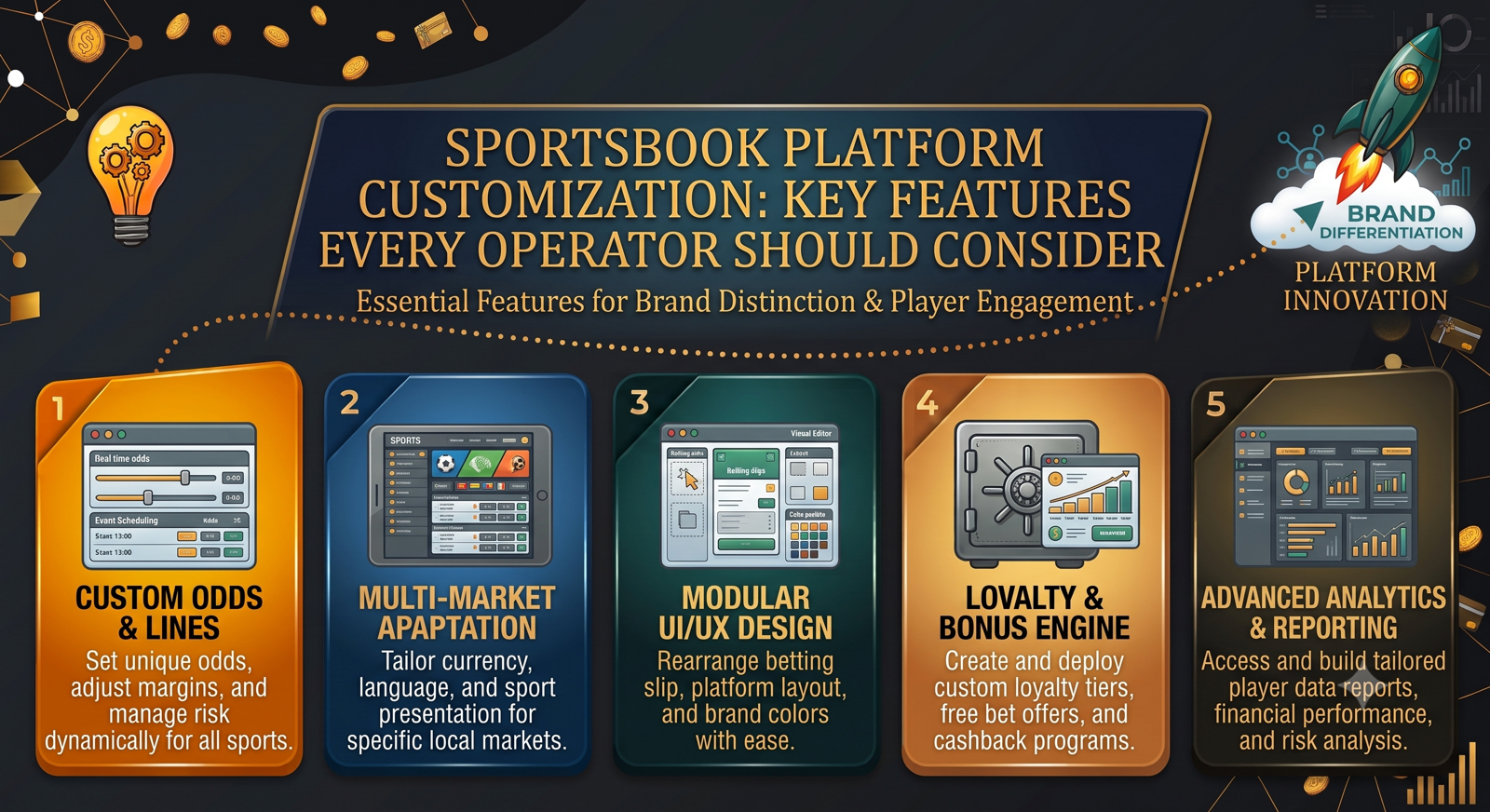
A custom platform can be designed around a business's specific workflows. For example, an operator may require unique lottery formats, specialized reporting, custom promotional rules, or integrations with proprietary systems.
Ready-made software generally provides a predefined feature set. Some providers offer configuration and customization services, but the extent of those options varies.
Before selecting a solution, businesses should determine which features can be modified and which are fixed.
Cost Considerations
Cost should be evaluated across the entire software lifecycle.
Custom development can require a larger initial investment because the platform is built specifically for the business. Development, testing, infrastructure, integrations, and ongoing maintenance all need to be considered.
Ready-made software can reduce initial development requirements, but the commercial model may include licensing fees, subscription costs, transaction-related charges, customization fees, or other recurring expenses.
A useful comparison is therefore the total cost of ownership, rather than simply comparing the initial purchase or development price.
Scalability
Scalability matters when an operator expects its user base, transaction volume, or game portfolio to grow.
With custom development, scalability can be incorporated into the architecture from the beginning. Businesses can select infrastructure and technical components according to their expected requirements.
Ready-made platforms may also provide scalable infrastructure, but operators should understand the provider's capacity, hosting architecture, performance monitoring, and upgrade process before committing.
Integrations
Modern lottery platforms often require multiple third-party integrations.
These may include:
Payment gateways
Identity verification services
CRM systems
Analytics platforms
Notification services
External lottery feeds
Marketing tools
Reporting systems
A custom solution can be architected around these integrations from the beginning.
With ready-made software, operators should check which APIs and third-party services are already supported and how additional integrations are handled.
Security and Compliance
Security should be evaluated regardless of the development model.
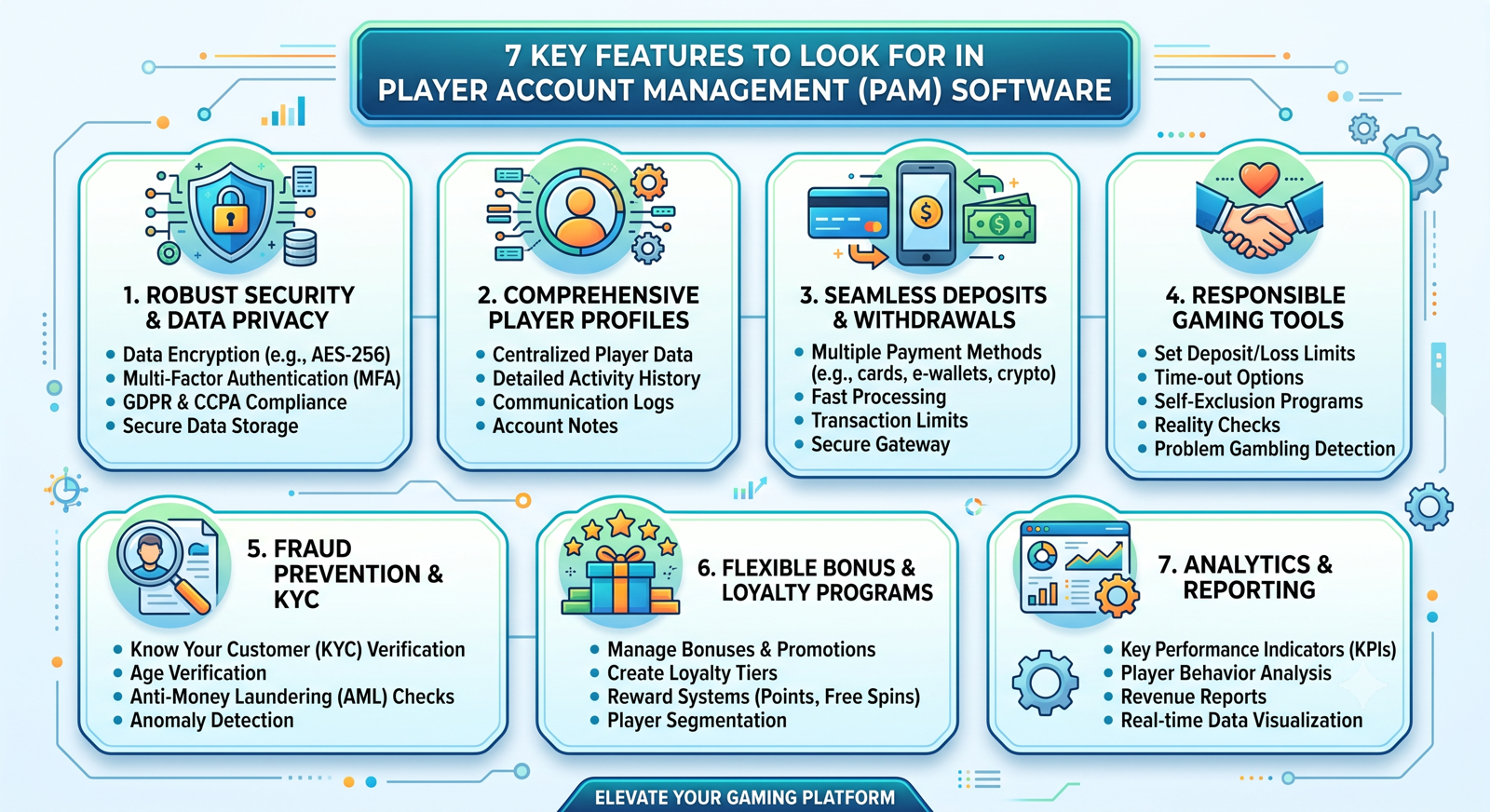
Lottery platforms can process account information, transaction data, and other sensitive information. Operators should assess authentication, access control, encryption, API security, monitoring, logging, and vulnerability management.
Legal and regulatory requirements can also vary by jurisdiction and lottery model. Businesses should obtain appropriate legal and compliance advice for their target markets and ensure that the selected technology can support applicable requirements.
When Does Custom Software Make Sense?
Custom development may be considered when a business requires:
Unique lottery mechanics
Specialized workflows
Proprietary integrations
Extensive customization
Full control over the product roadmap
A long-term technology platform
Specific scalability requirements
It can provide greater control, but the business also takes on more responsibility for development, maintenance, testing, and future improvements.
When Does Ready-Made Software Make Sense?
Ready-made software may be suitable for businesses that prioritize:
Faster deployment
Lower initial development requirements
Established platform functionality
Easier implementation
Access to pre-built integrations
A proven technology foundation
The operator should still conduct technical and commercial due diligence before selecting a provider.
Can Businesses Combine Both Approaches?
A hybrid model is also possible.
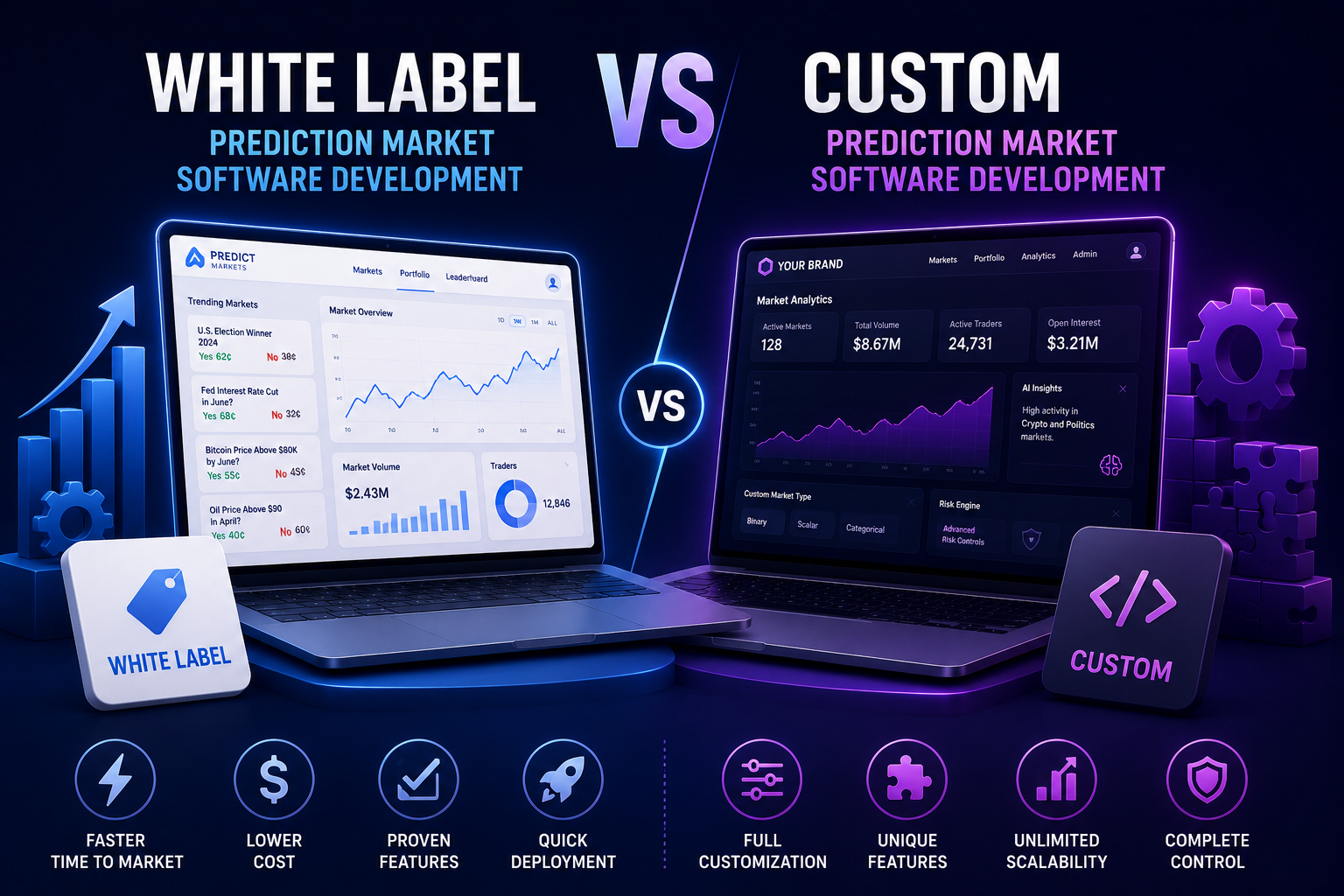
An operator can begin with a ready-made platform and introduce custom functionality over time. Alternatively, a business can use pre-built components for standard functionality while developing proprietary modules for areas that require differentiation.
This approach can provide a balance between deployment speed and customization.
How to Choose the Right Approach
Before selecting a lottery software model, businesses should evaluate:
Business model: What type of lottery experience will the platform provide?
Target markets: Which jurisdictions and audiences will be served?
Launch timeline: How quickly does the platform need to become operational?
Budget: What is available for development and ongoing technology costs?
Customization: Which features need to be unique?
Integrations: Which external systems must connect to the platform?
Scalability: What level of future growth is expected?
Support: Who will handle maintenance, upgrades, and technical issues?
Conclusion
The choice between custom and ready-made lottery software depends on the business's specific technology and operational requirements.
Custom development can provide greater flexibility and control, while ready-made solutions can simplify implementation and reduce the amount of initial development work. A hybrid strategy can also combine pre-built functionality with custom components.
For businesses evaluating a lottery software development company, it is important to look beyond the initial platform demonstration. Architecture, APIs, scalability, security, customization, integrations, support, and long-term maintenance should all be part of the evaluation.
TRUEiGTECH provides lottery and gaming software development solutions that can be configured around different business and technology requirements, giving operators a foundation to evaluate according to their product strategy and target markets.




Write a comment ...