
The global iGaming industry is becoming increasingly competitive as more businesses enter the online casino and sportsbook market. For many operators, White label iGaming software offers the fastest and most cost-effective way to launch a gaming platform without building the technology from scratch. However, not all white label solutions deliver the same level of quality, flexibility, or scalability.
Choosing the wrong software provider can lead to technical limitations, poor player experiences, security issues, and higher long-term costs. That's why evaluating a white label solution carefully before making an investment is essential.
In this guide, we'll discuss the most important factors to consider when selecting the right White label iGaming software for your business.
What Is White Label iGaming Software?
White label iGaming software is a ready-to-launch gaming platform developed by a technology provider and customized with an operator's branding. Instead of creating every feature from scratch, businesses receive a fully functional solution that includes essential components such as casino games, sportsbook integration, payment systems, player management, and back-office tools.
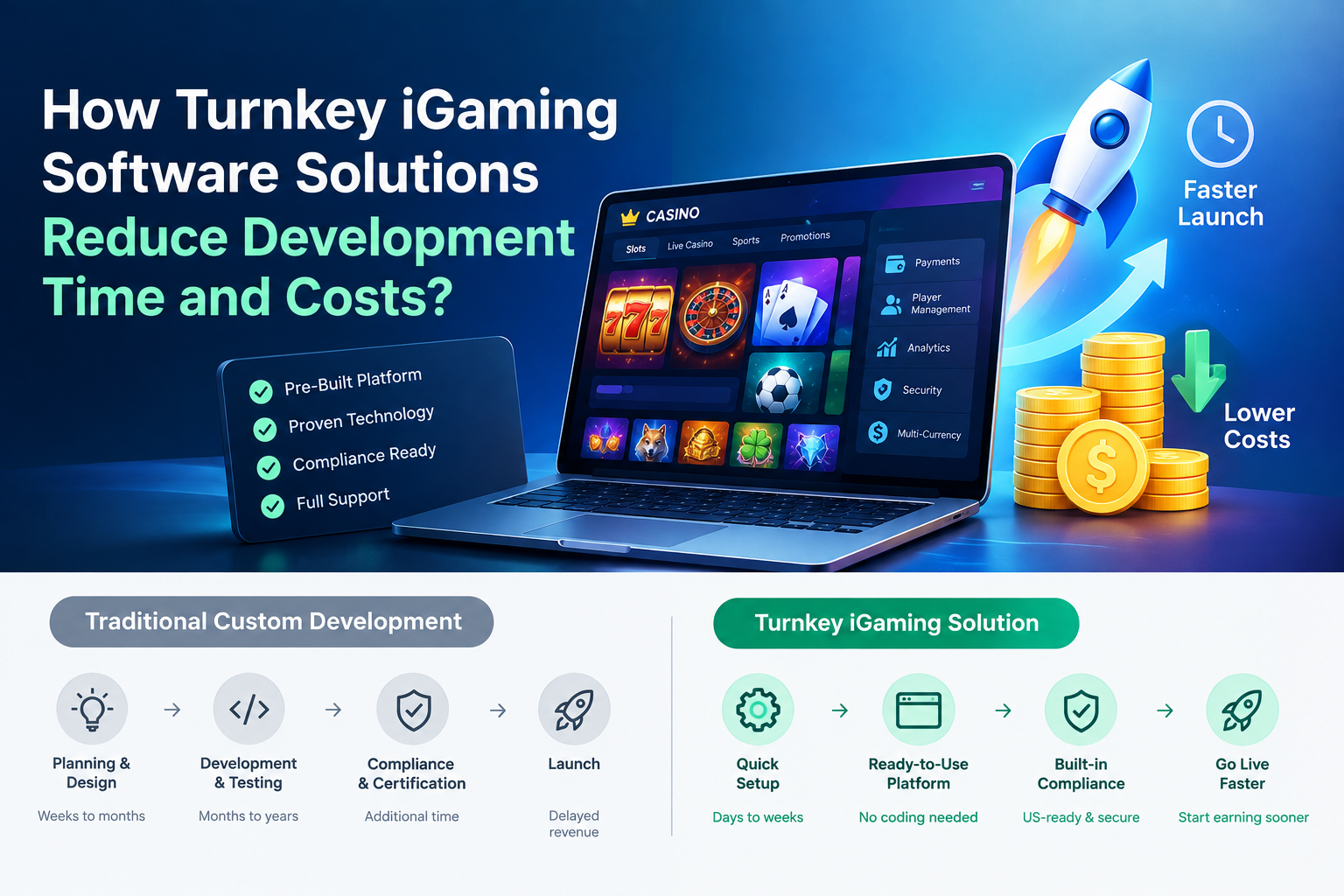
This approach allows operators to launch quickly while reducing development costs and technical complexity.
Why Evaluation Matters
While many providers advertise similar features, the quality of their platforms can vary significantly.
A thorough evaluation helps businesses:
Reduce operational risks
Improve player satisfaction
Ensure regulatory compliance
Support long-term scalability
Maximize return on investment
Choosing the right platform creates a strong foundation for future business growth.
1. Assess the Platform's Core Features
The first step is reviewing the platform's capabilities.
A quality White label iGaming software solution should include:
Online casino management
Sportsbook integration
Live dealer support
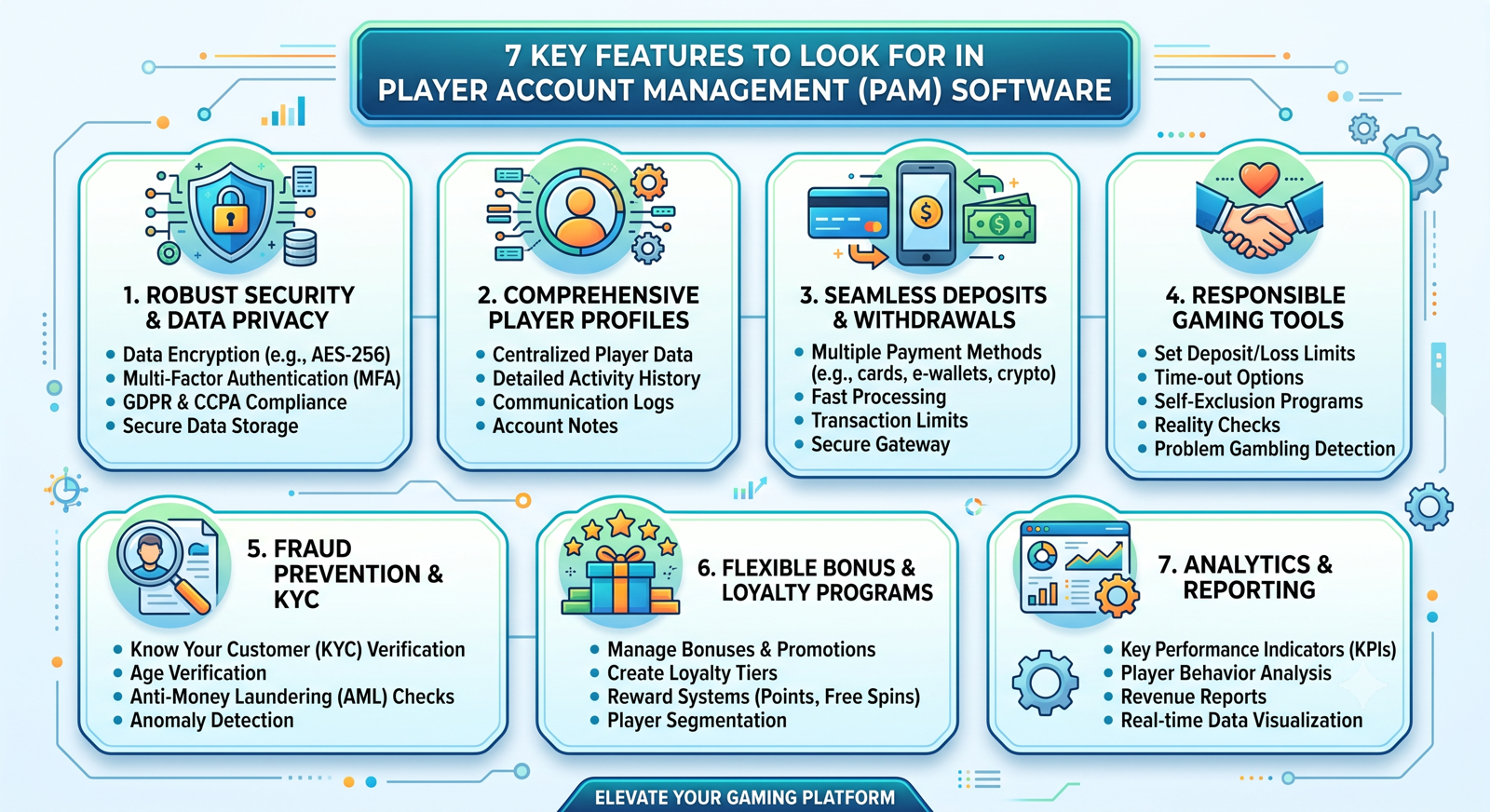
Player Account Management (PAM)
Wallet management
Bonus engine
CRM tools
Affiliate management
Reporting and analytics
Back-office administration
These core features simplify day-to-day operations while providing an excellent player experience.
2. Evaluate Game Portfolio
Games are the primary attraction for players.
Review whether the platform includes:
Video slots
Classic slots
Blackjack
Roulette
Baccarat
Poker
Live dealer games
Instant-win games
Progressive jackpots
A diverse and regularly updated game library helps improve player engagement and retention.
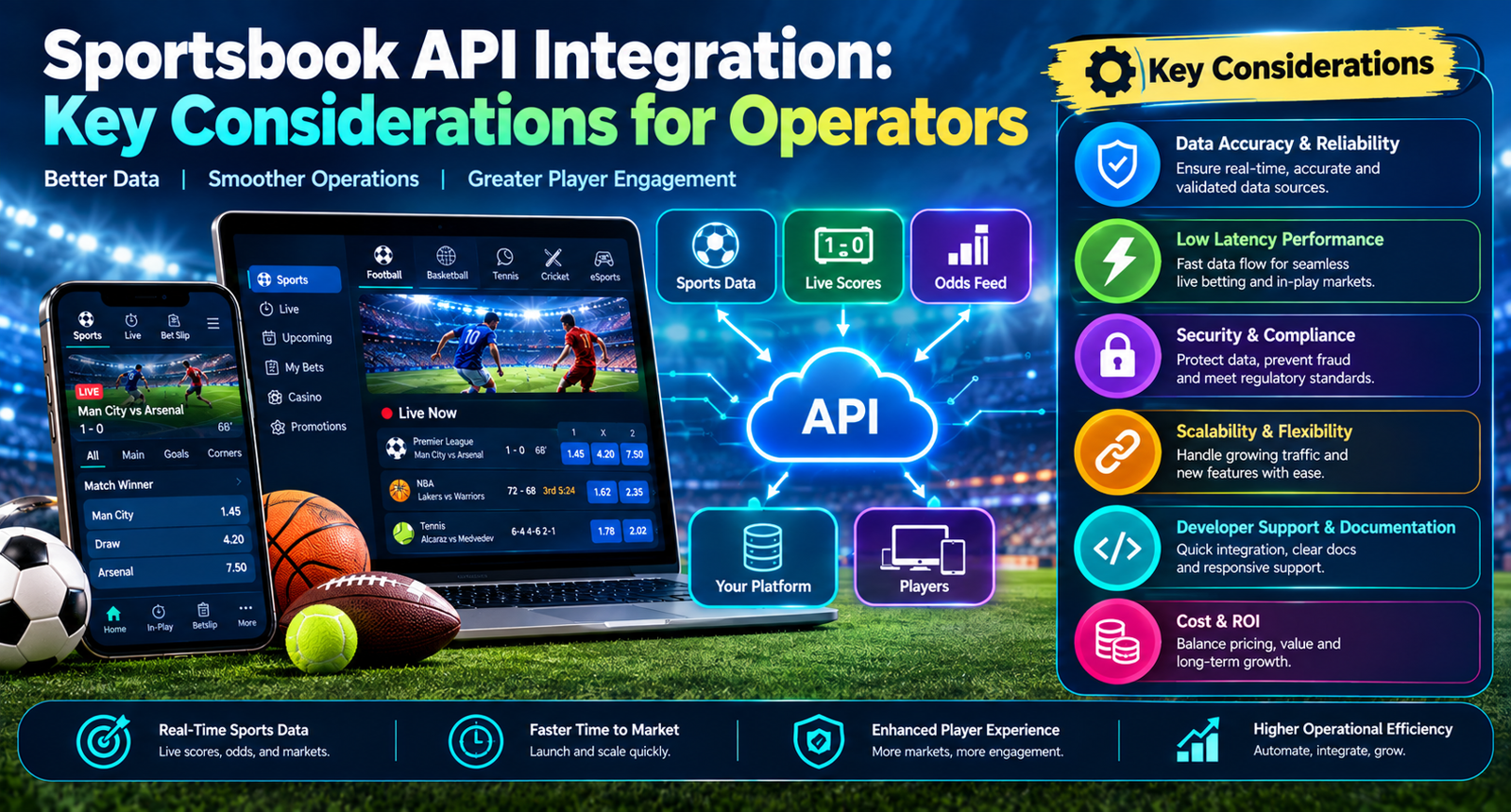
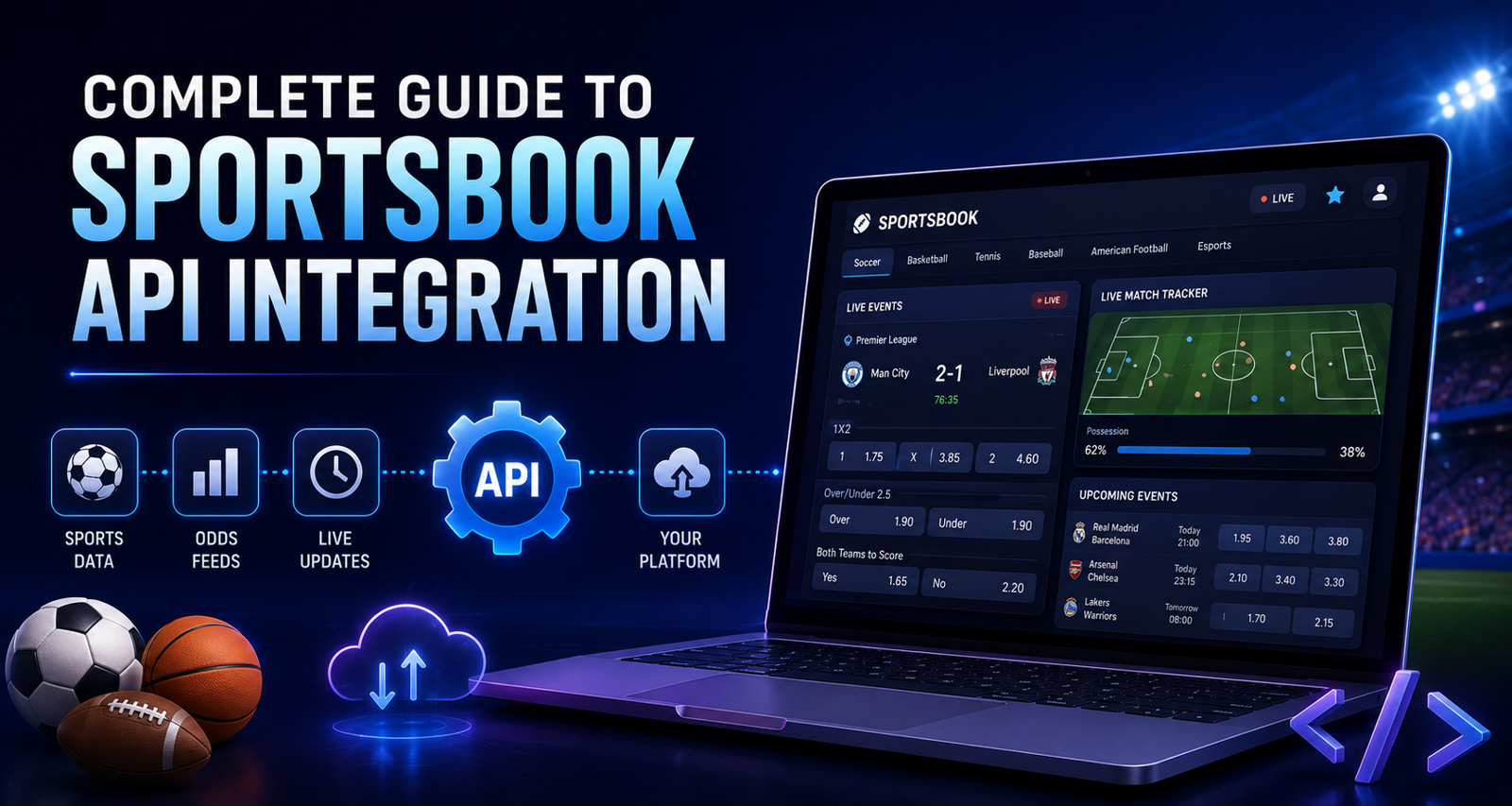
3. Check API Integration Capabilities
Modern gaming businesses rely on multiple third-party services.
Your white label solution should support seamless integration with:
Casino game providers
Sportsbook feeds
Payment gateways
KYC verification
AML systems
CRM software
Affiliate platforms
Analytics tools
Flexible API integration makes it easier to expand your platform over time.
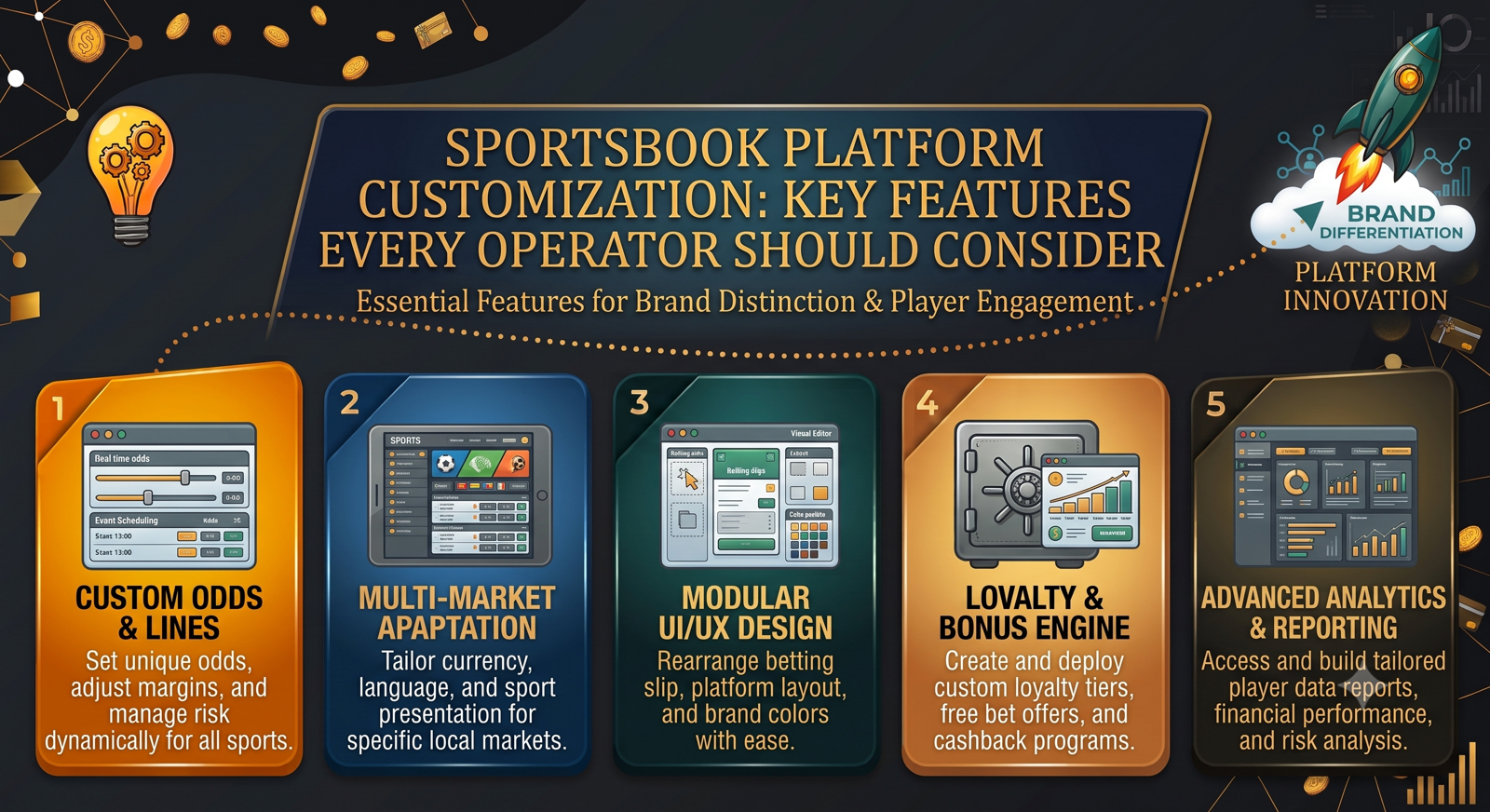
4. Review Customization Options
Although white label software is pre-built, operators should still have the flexibility to customize their platform.
Look for customization options such as:
Branding
Color schemes
User interface
Homepage layouts
Promotions
Bonus systems
Loyalty programs
Customization helps create a unique identity that differentiates your casino from competitors.
5. Prioritize Mobile Compatibility
A large share of online gaming now takes place on mobile devices.
Ensure the platform provides:
Responsive design
Fast loading speeds
Cross-device compatibility
Mobile-friendly navigation
Optimized gameplay
A smooth mobile experience improves player retention and overall satisfaction.
6. Evaluate Security Standards
Security should never be overlooked.
Ask providers about:
SSL encryption
Secure authentication
Data encryption
Fraud detection
DDoS protection
Secure payment processing
Strong security protects player information and strengthens your platform's reputation.
7. Verify Compliance Support
Gaming regulations vary across jurisdictions.
A professional White label iGaming software provider should support:
Know Your Customer (KYC)
Anti-Money Laundering (AML)
Responsible gaming features
Data privacy compliance
Regional licensing requirements
Compliance-ready platforms simplify expansion into regulated markets.
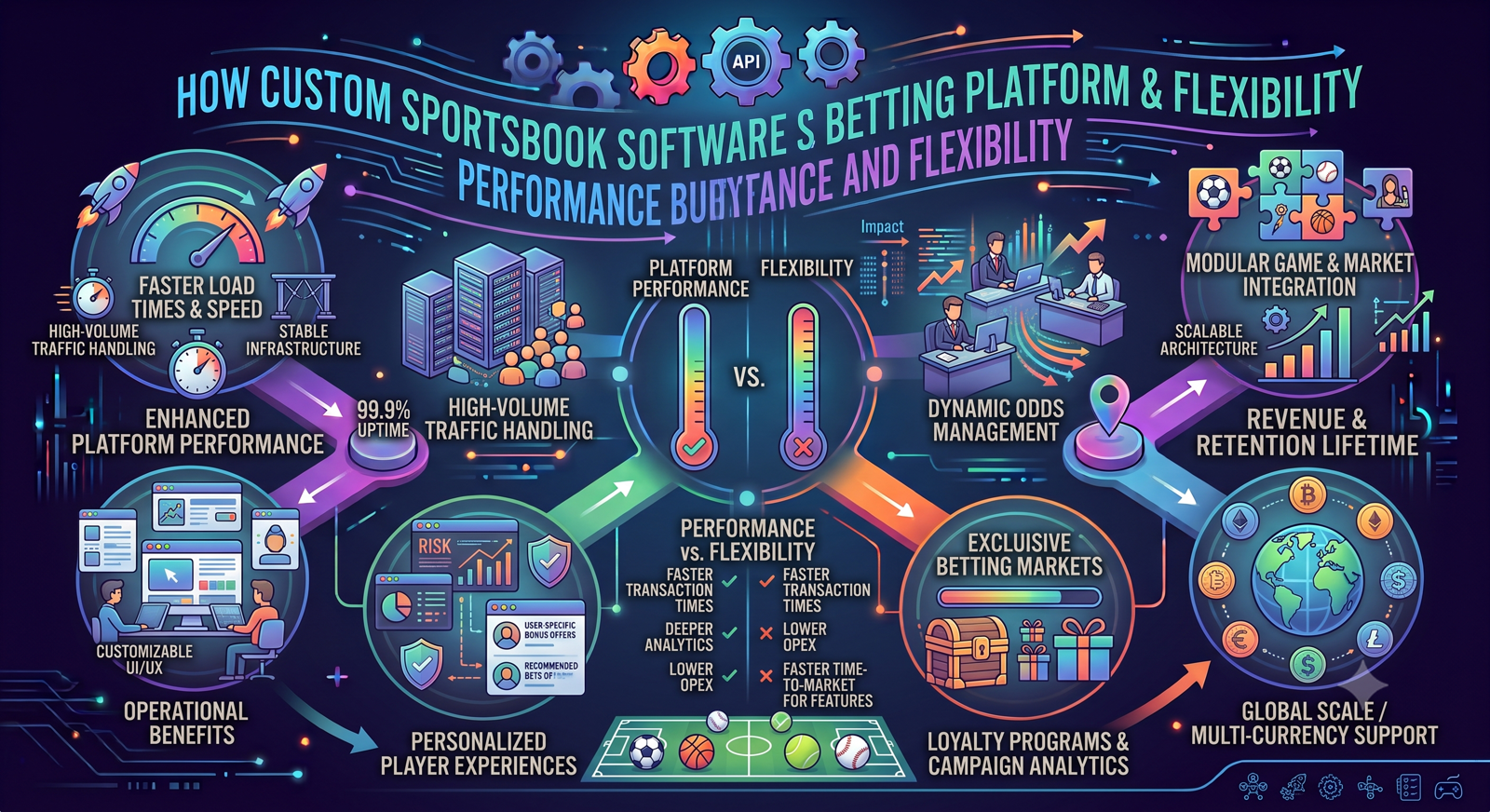
8. Consider Scalability
Your platform should grow alongside your business.
Look for software that supports:
Multiple brands
Multi-language functionality
Multi-currency payments
Additional game providers
International expansion
Increased player traffic
Scalable architecture minimizes future redevelopment costs.
9. Analyze Performance and Reliability
Platform performance directly impacts player experience.
Ask providers about:
System uptime
Server infrastructure
Cloud hosting
Load balancing
Performance optimization
Reliable platforms ensure smooth gameplay during peak traffic periods.
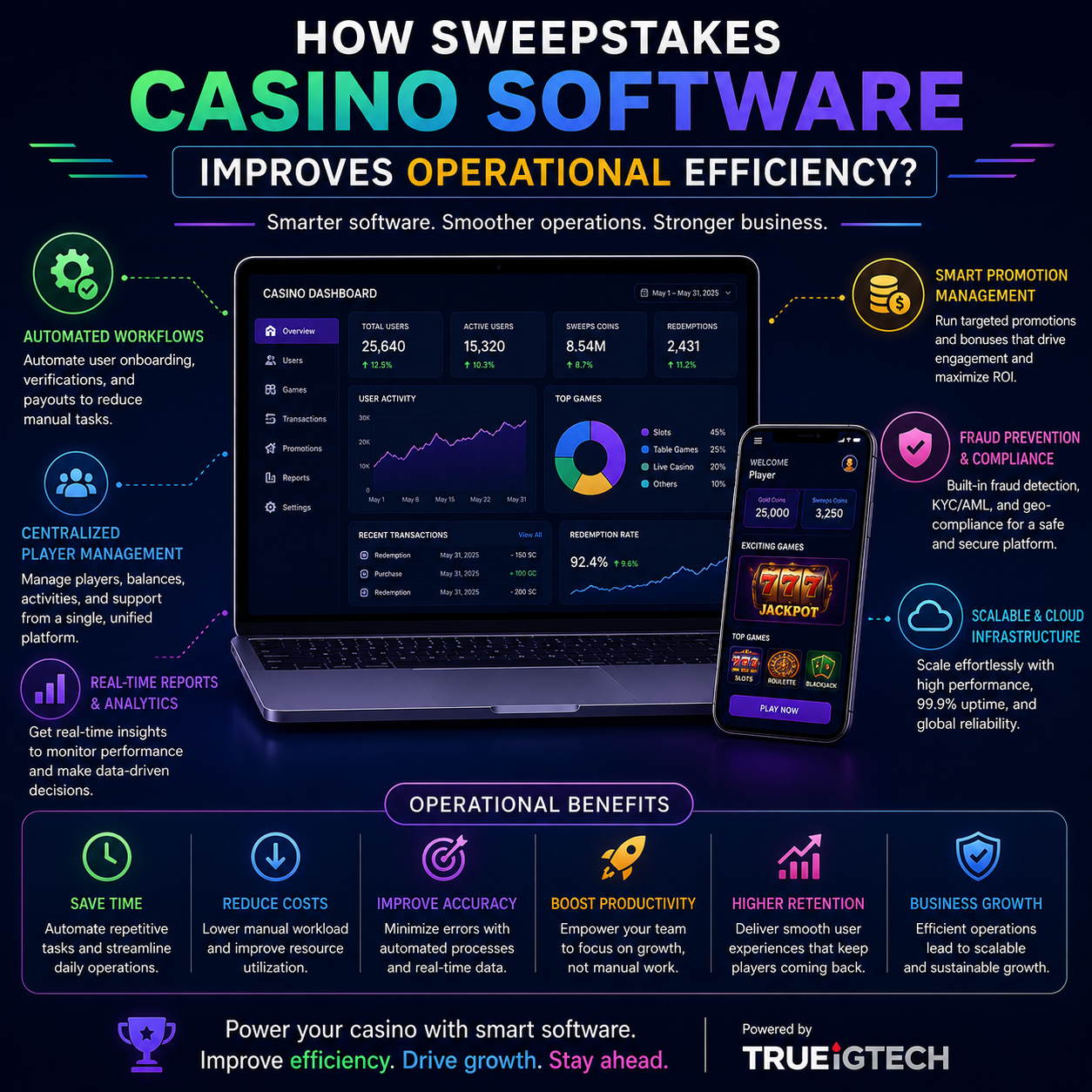
10. Review Back-Office Functionality
A powerful back-office system helps operators manage daily activities efficiently.
Useful features include:
Player management
Financial reporting
Bonus configuration
Fraud monitoring
Game performance analytics
Marketing management
An intuitive dashboard saves time and improves operational efficiency.
11. Evaluate Customer Support
Technical support is essential after launch.
Choose a provider that offers:
24/7 assistance
Dedicated account managers
Regular updates
Bug fixes
Security patches
Performance optimization
Reliable support minimizes downtime and keeps your platform running smoothly.
12. Understand the Pricing Structure
Some providers advertise low entry costs but charge additional fees for integrations, maintenance, or updates.
Request a transparent breakdown covering:
Initial setup costs
Monthly licensing fees
Integration charges
Maintenance costs
Support fees
Future upgrade pricing
Understanding the total cost of ownership helps avoid unexpected expenses.
13. Check Industry Reputation
Before selecting a provider, research their reputation.
Review:
Client testimonials
Case studies
Years of industry experience
Existing partnerships
Product demonstrations
An established provider is more likely to deliver reliable software and long-term support.
14. Consider Time-to-Market
One of the biggest advantages of White label iGaming software is rapid deployment.
Ask about:
Implementation timeline
Platform customization process
Integration schedule
Testing procedures
Go-live support
Faster deployment allows operators to begin acquiring players and generating revenue sooner.
Best Practices Before Making a Decision
To make the right choice:
Define your business objectives.
Compare multiple providers.
Request platform demonstrations.
Evaluate technical documentation.
Test mobile performance.
Verify compliance capabilities.
Review customer support quality.
Assess scalability for future growth.
Understand the complete pricing model.
Following these best practices reduces risk and increases the likelihood of long-term success.
Final Thoughts
Selecting the right White label iGaming software is about more than launching quickly. Operators should evaluate technology, security, customization, compliance, scalability, and support to ensure the platform meets both current needs and future growth plans.
A carefully chosen solution enables businesses to deliver an engaging player experience while maintaining operational efficiency and adapting to changing market demands.
Conclusion
Investing in the right White label iGaming software is a strategic decision that can accelerate your entry into the competitive iGaming market while reducing development time and operational complexity. By evaluating platform features, security, customization, compliance, scalability, integration capabilities, and ongoing support, operators can select a solution that supports sustainable business growth.
TRUEiGTECH provides advanced White label iGaming software designed for online casino operators seeking secure, scalable, and feature-rich platforms. With flexible customization, seamless API integrations, enterprise-grade security, and dedicated technical support, TRUEiGTECH helps businesses launch and grow successful iGaming platforms with confidence.






Write a comment ...