
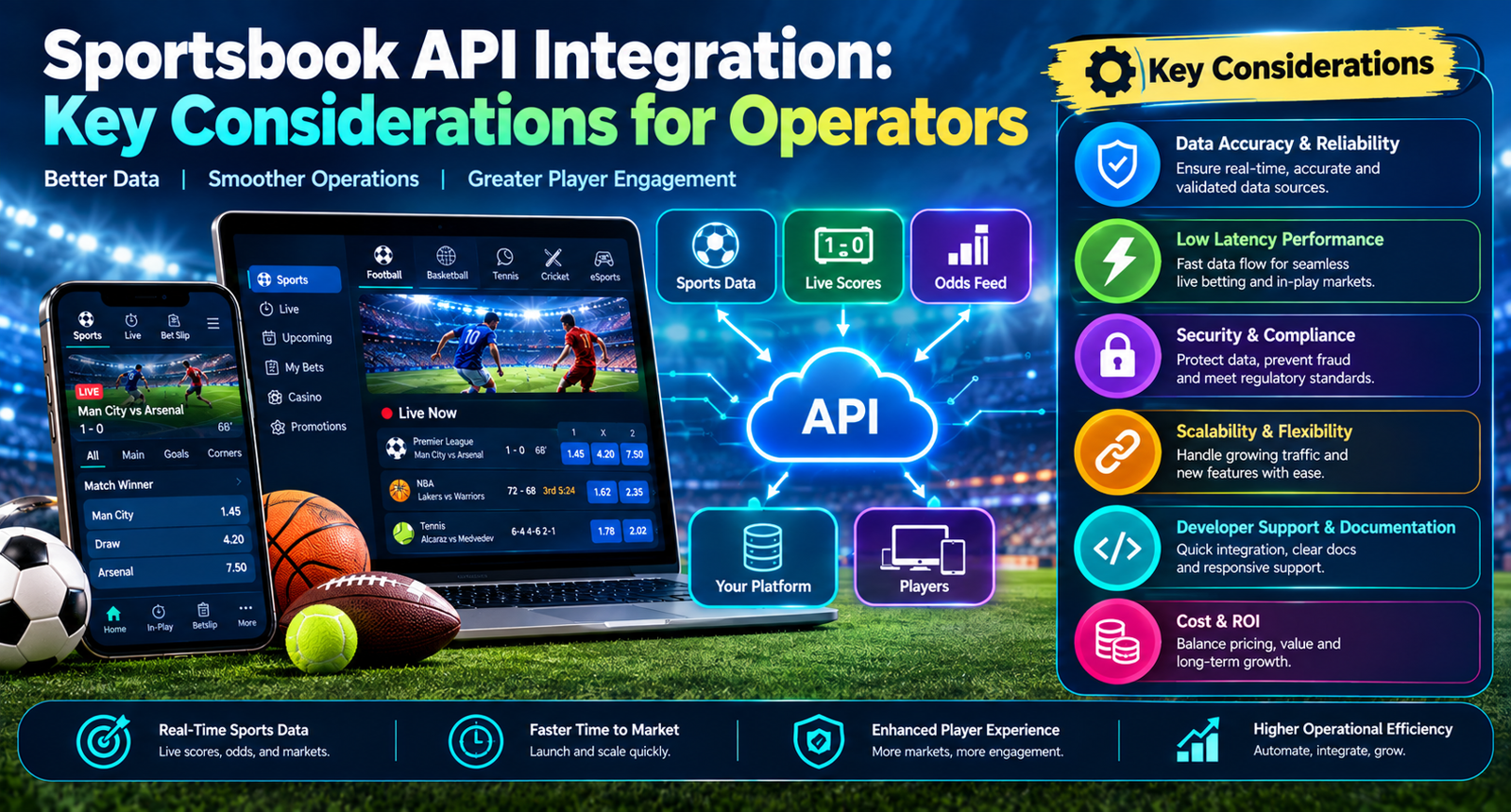
The online sports betting industry has experienced rapid growth over the last decade, driven by technological innovation and increasing demand for digital betting experiences. Whether you're launching a sportsbook startup or expanding an existing iGaming business, one technology plays a central role in delivering a seamless betting experience—Sportsbook API integration.
APIs (Application Programming Interfaces) allow different software systems to communicate with each other. In sportsbook platforms, APIs connect betting software with essential third-party services such as odds providers, sports data feeds, payment gateways, player management systems, and risk management tools. Without robust API integration, modern sportsbooks cannot deliver real-time betting, accurate odds, or secure transactions.
This guide explains how Sportsbook API integration works, its benefits, and why it is a critical component of successful Sportsbook software development.
What Is Sportsbook API Integration?
Sportsbook API integration is the process of connecting a sportsbook platform with external services through APIs. Instead of building every feature from scratch, operators can integrate specialized solutions from trusted providers.
Common API integrations include:
Sports data feeds
Odds providers
Live betting services
Payment gateways
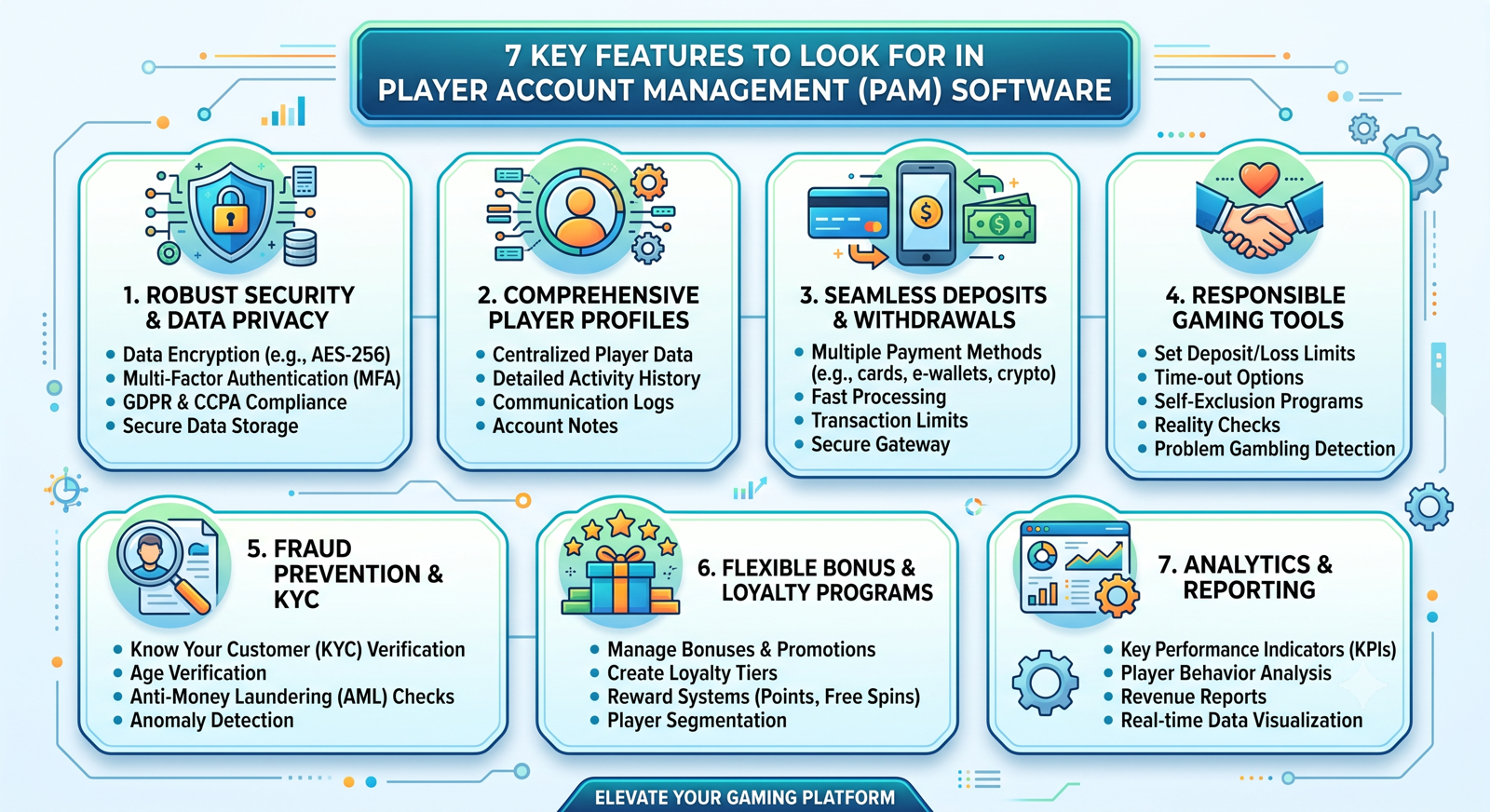
Player Account Management (PAM)
Identity verification (KYC)
Anti-Money Laundering (AML)
CRM systems
Analytics platforms
These integrations create a unified sportsbook ecosystem capable of delivering real-time betting experiences.
Why Sportsbook API Integration Matters
Modern sportsbook platforms rely on multiple technologies working together simultaneously.
API integration helps operators:
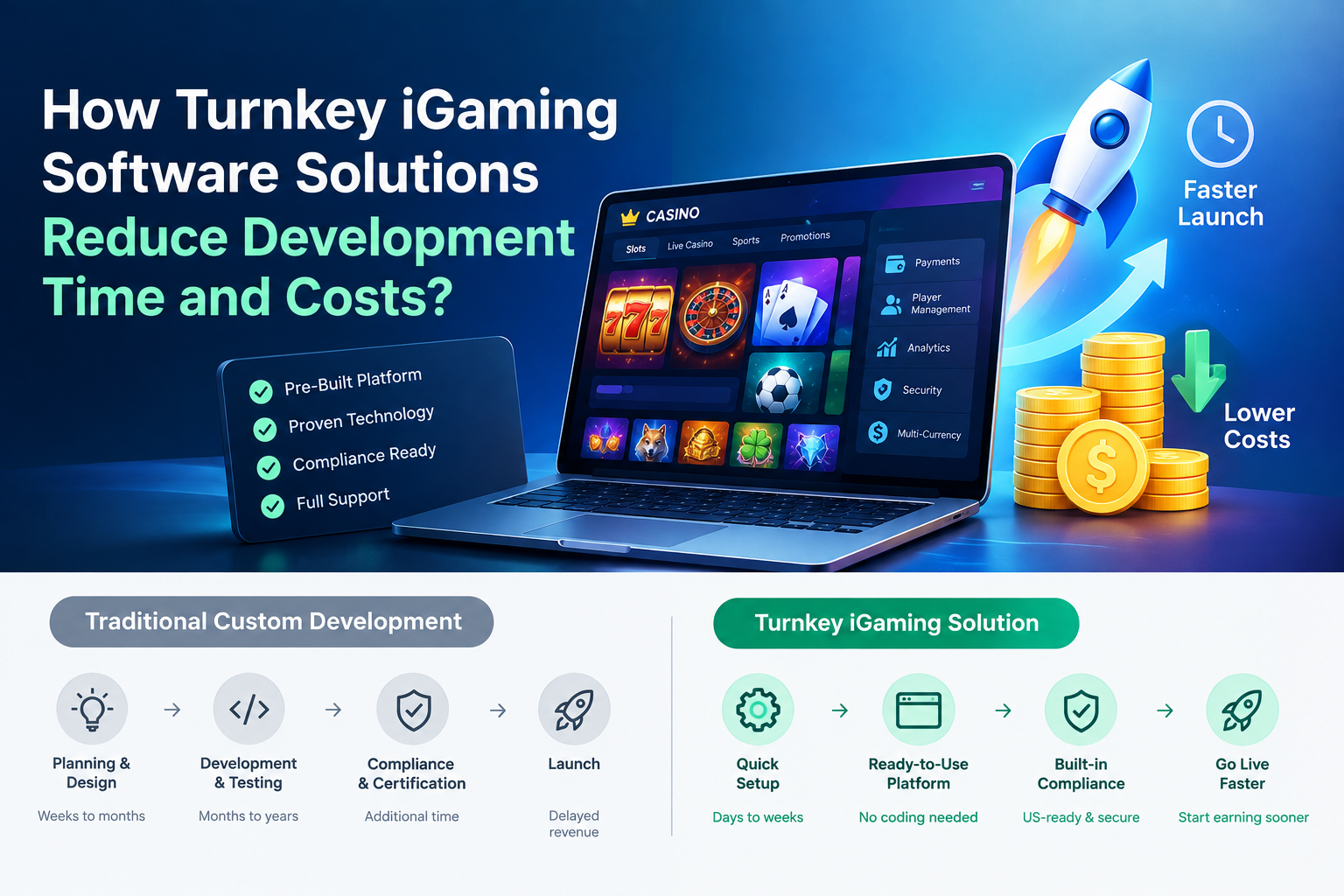
Launch platforms faster
Reduce development costs
Access real-time sports data
Improve betting accuracy
Simplify platform management
Enhance player experience
Support future scalability
Instead of developing complex systems independently, businesses can leverage proven third-party technologies.
How Sportsbook API Integration Works
The integration process generally follows these steps:
Step 1: Selecting API Providers
Operators choose providers for:
Sports data
Odds
Payments
KYC
CRM
Risk management
Step 2: API Connection
Developers connect each API with the sportsbook platform using secure authentication methods.
Step 3: Data Synchronization
The APIs continuously exchange information such as:
Live scores
Betting odds
Match schedules
Player balances
Transactions
Step 4: Testing
Before launch, developers test:
Response speed
Accuracy
Security
Error handling
System performance
Step 5: Deployment
After successful testing, APIs are deployed into the live sportsbook environment.
Benefits of Sportsbook API Integration
Faster Development
Using existing APIs significantly reduces development time compared to building every feature from scratch.
Real-Time Betting
Live odds and match updates enable operators to offer dynamic in-play betting experiences.
Better Player Experience
Players benefit from:
Faster bet placement
Accurate odds
Quick deposits
Smooth navigation
Reliable account management
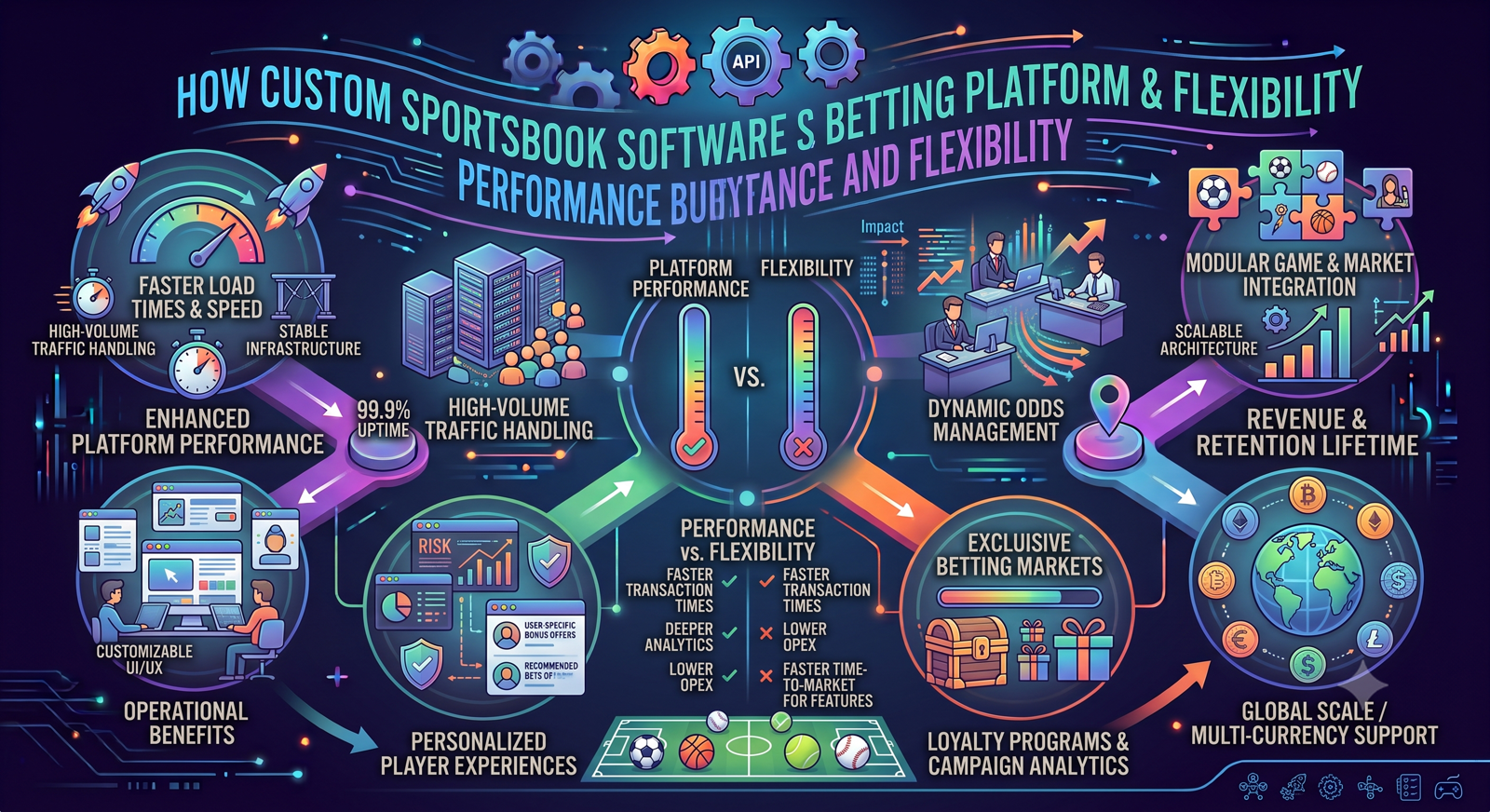
Scalability
As sportsbooks grow, additional providers and services can be integrated without rebuilding the entire platform.
Cost Efficiency
API integration reduces:
Development costs
Infrastructure investment
Maintenance complexity
Common APIs Used in Sportsbooks
A complete sportsbook platform typically integrates:
Odds API
Sports Data API
Live Betting API
Payment Gateway API
Wallet API
PAM API
CRM API
KYC API
AML API
Reporting API
Each API contributes to a seamless and secure betting experience.
Security Best Practices
Security is critical in Sportsbook software development.
Operators should implement:
SSL encryption
OAuth authentication
API rate limiting
Data encryption
Secure token management
Continuous monitoring
Strong API security protects player information and financial transactions.
Common Challenges
Despite its advantages, API integration may present challenges such as:
Compatibility issues
Multiple provider management
Latency
Version updates
Data synchronization
Security vulnerabilities
Working with experienced development teams helps overcome these issues.
Future Trends
Sportsbook APIs continue to evolve with technologies including:
Artificial Intelligence
Machine Learning
Predictive analytics
Blockchain
Cloud-native architecture
Personalized betting experiences
These innovations will shape the next generation of sportsbook platforms.
Conclusion
Sportsbook API integration is the foundation of modern online betting platforms. It enables operators to deliver real-time odds, secure payments, seamless account management, and engaging betting experiences while reducing development complexity. By integrating trusted third-party services, businesses can launch faster, scale efficiently, and remain competitive in the evolving sports betting industry.
Investing in reliable Sportsbook software development with robust API integration ensures long-term flexibility, improved operational efficiency, and an enhanced player experience.












Write a comment ...