
The global sports betting industry is growing at an unprecedented pace, driven by mobile technology, live betting, and increasing demand for personalized wagering experiences. As more operators enter the market, delivering a secure, scalable, and feature-rich sportsbook platform has become essential for success. However, building a modern sportsbook is a complex undertaking that requires technical expertise, regulatory knowledge, and continuous innovation.
Sportsbook software development involves much more than creating a betting interface. Developers must integrate real-time data feeds, manage odds, ensure platform security, support high user traffic, and comply with various regulatory requirements. Understanding these challenges helps operators make informed decisions when selecting a technology partner and planning their sportsbook platform.
Managing Real-Time Data and Odds
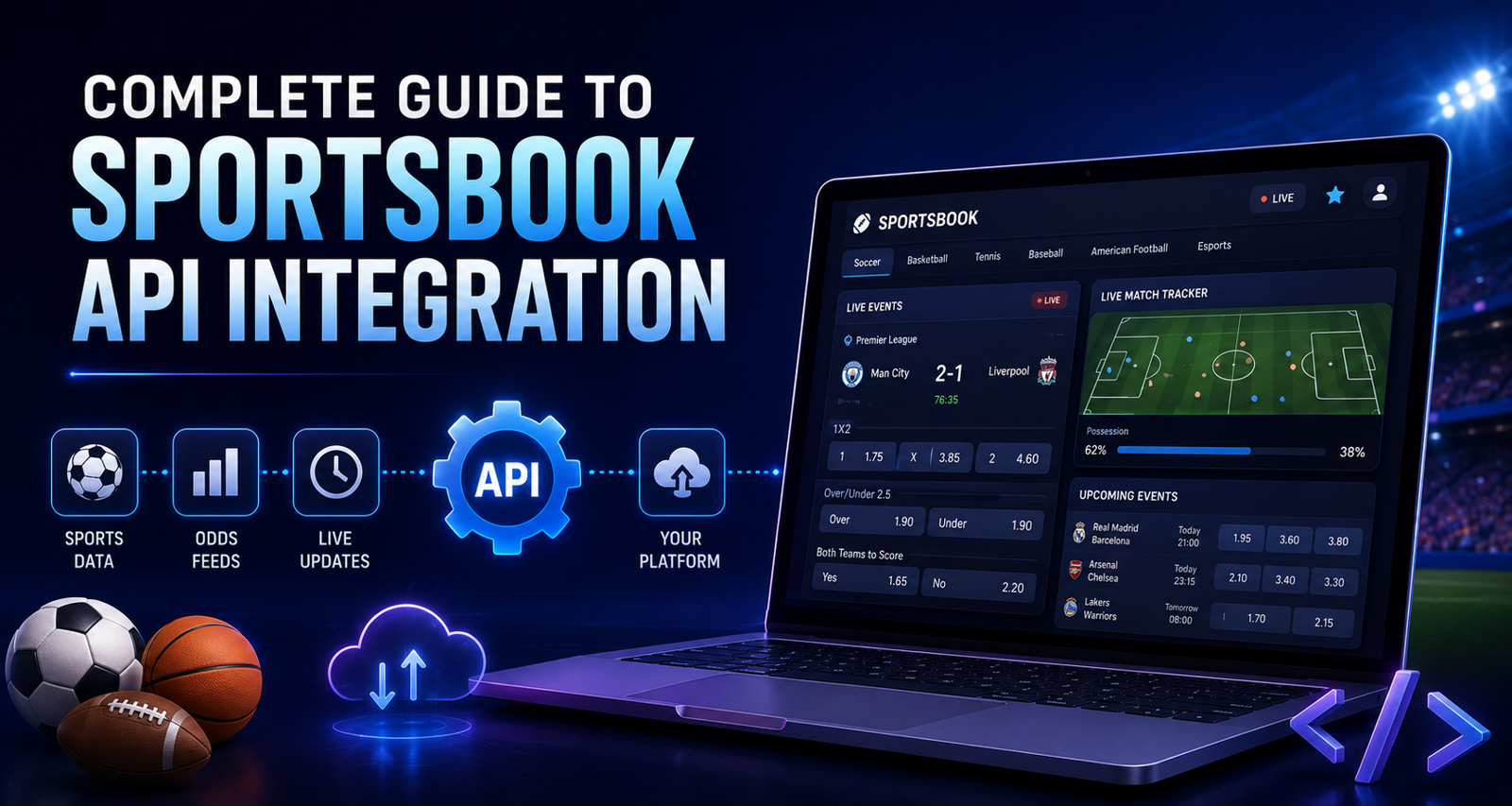
One of the biggest challenges in sportsbook software development is handling real-time sports data.
Sportsbook platforms rely on live data feeds for:
Match schedules
Player statistics
Live scores
Betting markets
Odds updates
Event outcomes
Even a slight delay in data synchronization can lead to inaccurate betting information, poor user experiences, and financial risks. Reliable APIs and low-latency infrastructure are essential to ensure odds are updated instantly during live events.
Building a Scalable Platform
Sports betting traffic often spikes during major sporting events such as the FIFA World Cup, UEFA Champions League, NFL playoffs, or the Super Bowl.
A sportsbook platform must be capable of handling:
Thousands of concurrent users
High betting volumes
Real-time transactions
Continuous odds updates
Cloud-based infrastructure and scalable architecture allow sportsbooks to maintain consistent performance during peak traffic periods without affecting user experience.
Ensuring Platform Security
Sports betting platforms process sensitive personal information and financial transactions every day.
Strong security measures should include:
SSL encryption
Multi-factor authentication
Secure payment processing
Fraud detection systems
DDoS protection
Role-based access control
Protecting user data not only builds customer trust but also helps operators comply with international security standards.
Maintaining Regulatory Compliance
The legal framework for sports betting differs from one jurisdiction to another.
Operators must ensure their sportsbook platform complies with regulations related to:
Know Your Customer (KYC)
Anti-Money Laundering (AML)
Responsible gaming
Data privacy
Financial reporting
Licensing requirements
Building compliance features into the platform from the beginning reduces legal risks and simplifies market expansion.
Delivering an Excellent User Experience
Today's bettors expect fast, intuitive, and visually appealing sportsbook platforms.
Developers must focus on:
Simple navigation
Fast loading speeds
Responsive design
Easy bet placement
Clear betting markets
Personalized dashboards
A poor user experience can lead to lower engagement and increased customer churn, regardless of the platform's technical capabilities.
Supporting Live Betting
Live or in-play betting has become one of the fastest-growing segments of the sports betting industry.
Supporting live betting requires:
Instant odds updates
Real-time event tracking
Low-latency servers
Fast bet processing
Dynamic market management
Developers must ensure the platform can process bets within milliseconds while maintaining accuracy and fairness.
Payment Gateway Integration
Modern sportsbook platforms support multiple payment methods to serve players across different regions.
Integration challenges include:
Credit and debit cards
Digital wallets
Bank transfers
Cryptocurrencies
Local payment solutions
Payment systems must provide secure, fast, and reliable transactions while complying with financial regulations.
Multi-Device Compatibility
Sports bettors increasingly place wagers using smartphones and tablets.
Modern sportsbook software development requires platforms that perform consistently across:
Android devices
iOS devices
Desktop browsers
Tablets
Responsive interfaces and mobile-first development ensure a seamless betting experience regardless of the device.
Risk Management and Odds Monitoring
Managing betting risks is critical for sportsbook profitability.
Advanced sportsbook platforms incorporate automated risk management tools that help operators:
Monitor betting patterns
Detect suspicious activity
Adjust odds dynamically
Limit exposure
Prevent arbitrage betting
Intelligent risk management protects business revenue while maintaining fair betting markets.
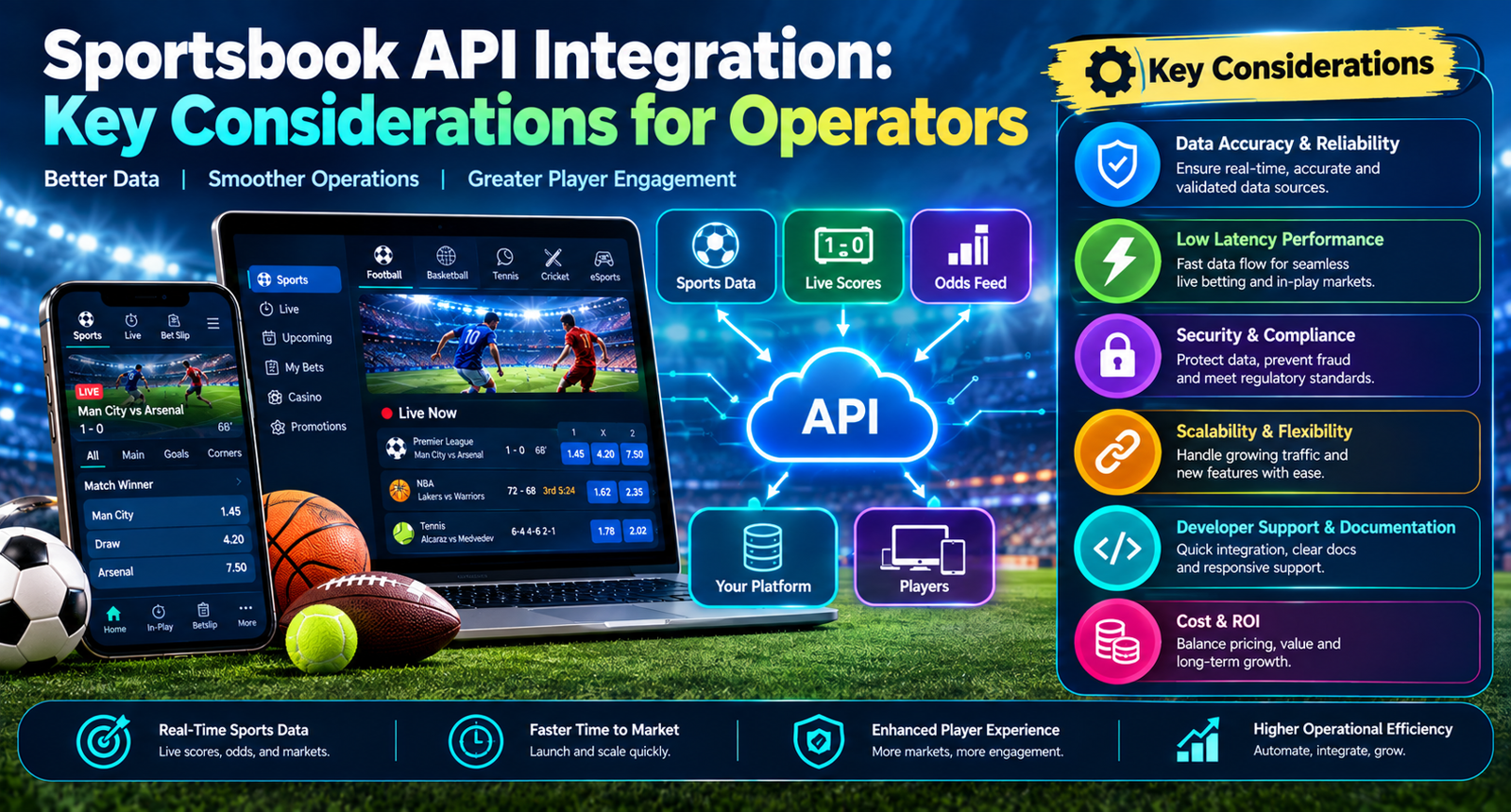
Integrating Third-Party Services
A sportsbook platform often depends on several external services.
These may include:
Sports data providers
Odds providers
Payment gateways
CRM systems
Identity verification services
Marketing automation tools
Ensuring seamless integration between multiple APIs without affecting platform performance requires careful planning and experienced developers.
Continuous Platform Maintenance
Sportsbook software development doesn't end after launch.
Operators need continuous:
Software updates
Security patches
Feature enhancements
API upgrades
Performance optimization
Bug fixes
Regular maintenance keeps the platform secure, stable, and competitive in a rapidly evolving market.
Keeping Up with Industry Innovation
Technology in the sports betting industry continues to evolve.
Modern sportsbook platforms increasingly incorporate:
Artificial Intelligence (AI)
Machine learning
Predictive analytics
Personalized betting recommendations
Cloud-native infrastructure
Blockchain technology
Adopting these innovations helps operators remain competitive while improving operational efficiency and player engagement.
Choosing the Right Development Partner
Many of these challenges can be minimized by selecting an experienced sportsbook software development partner.
When evaluating a provider, operators should consider:
Industry experience
Technical expertise
API integration capabilities
Security standards
Scalability
Compliance knowledge
Post-launch support
A trusted partner can streamline development, reduce technical risks, and deliver a platform designed for long-term success.
Conclusion
Building a successful sportsbook platform requires overcoming numerous technical, operational, and regulatory challenges. From managing real-time odds and live betting to ensuring security, scalability, compliance, and seamless integrations, every aspect of Sportsbook software development plays a critical role in delivering a reliable and engaging betting experience.
Partnering with an experienced technology provider can simplify the development process and help operators launch with confidence. TRUEiGTECH specializes in Sportsbook software development, delivering secure, scalable, and feature-rich sportsbook solutions that empower operators to build competitive sports betting platforms, improve player engagement, and achieve sustainable growth in the global iGaming industry.









Write a comment ...