
In today’s fast-moving business environment, accurate forecasting is no longer a luxury—it’s a competitive advantage. From predicting market trends to anticipating regulatory changes, organizations rely on various tools to make informed decisions. Among the most widely used approaches are polling, expert panels, and the increasingly popular prediction markets.
As businesses explore modern forecasting solutions, interest in prediction market platform development is rapidly growing. Forward-thinking companies like TRUEiGTECH are helping enterprises adopt these next-generation systems, while regulated platforms such as the Kalshi prediction market platform demonstrate how prediction markets can operate at scale in real-world environments.
Let’s break it down.
Understanding the Three Forecasting Models
1. Polling: Capturing Public Opinion
Polling is one of the oldest and most familiar forecasting methods. It involves collecting opinions from a sample group to estimate broader sentiment.
Strengths:
Easy to deploy and scale
Cost-effective for large audiences
Useful for measuring sentiment and awareness
Limitations:
Respondents often lack incentives to be accurate
Susceptible to bias and poorly framed questions
Captures opinion, not conviction
Polling works well for understanding what people think, but not necessarily what will happen.
2. Expert Panels: Deep but Limited Insights
Expert panels bring together domain specialists to provide informed predictions based on experience and analysis.
Strengths:
High-quality insights from knowledgeable professionals
Useful for complex, niche topics
Context-rich qualitative input
Limitations:
Expensive and difficult to scale
Vulnerable to groupthink and overconfidence
Limited diversity of perspectives
While expert panels offer depth, they often lack the breadth and real-time adaptability needed in dynamic markets.
3. Prediction Markets: Incentivized Accuracy
Prediction markets allow participants to trade on the outcomes of future events. Prices fluctuate based on collective beliefs, effectively aggregating distributed knowledge into a single probability.
Strengths:
Financial or reputational incentives drive accuracy
Real-time updates reflect new information
Aggregates diverse viewpoints at scale
Proven track record in forecasting elections, markets, and events
Limitations:
Requires liquidity and active participation
Regulatory considerations in some regions
Needs thoughtful design and infrastructure
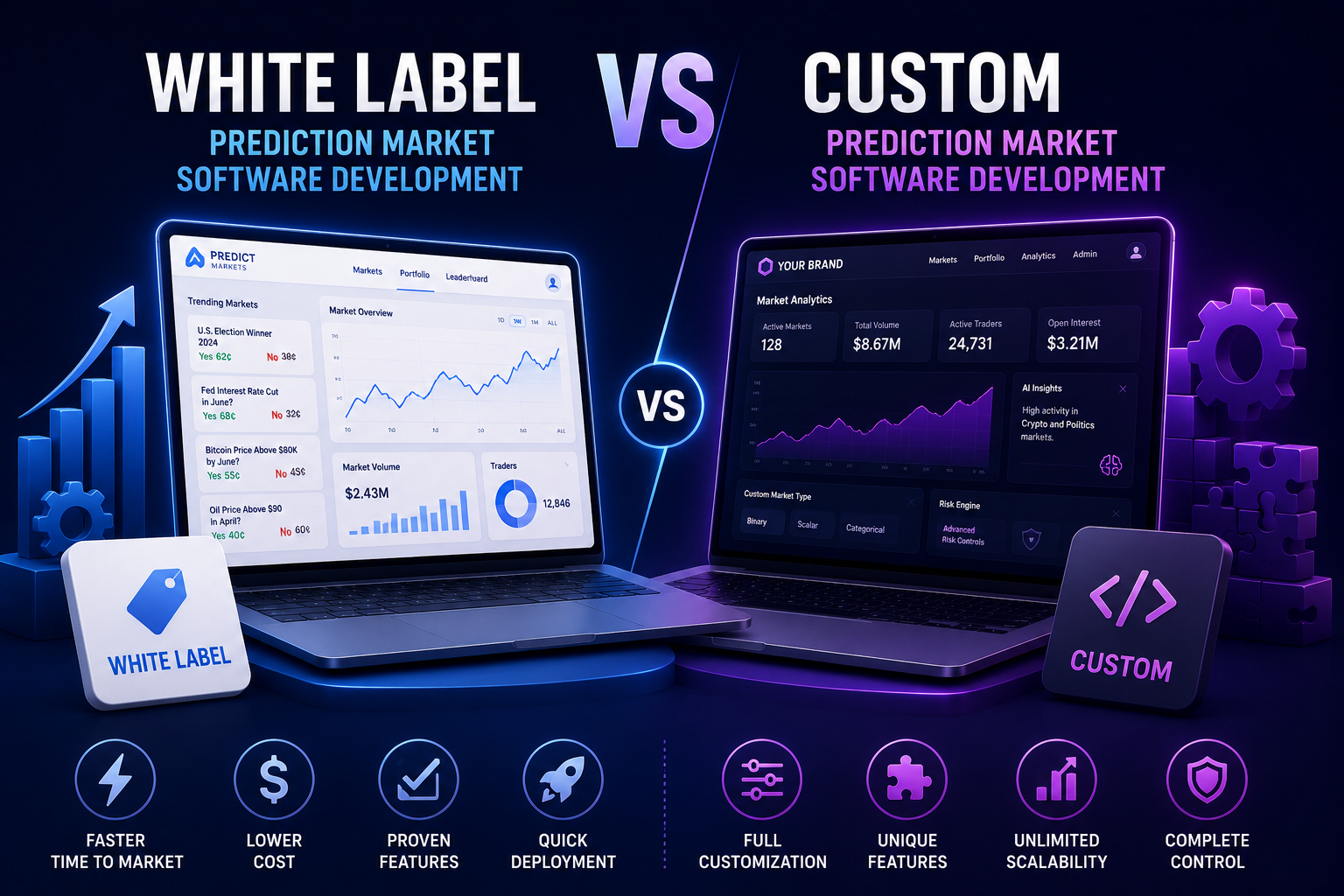
This is where prediction market platform development becomes critical. Companies like TRUEiGTECH focus on building systems that ensure fairness, liquidity, and reliable market resolution—key pillars for successful adoption.
Key Comparison: Accuracy, Scalability, and Incentives
Accuracy
Prediction markets consistently outperform polling and often rival or exceed expert panels. The key reason? Incentives.
Participants in prediction markets have “skin in the game,” meaning they are rewarded for being correct and penalized for being wrong. In contrast, polling respondents and even experts typically face no direct consequences for inaccurate predictions.
Scalability
Polling scales easily but sacrifices depth. Expert panels provide depth but struggle with scalability. Prediction markets strike a balance by enabling large-scale participation while maintaining high-quality signals through market mechanisms.
Modern implementations—supported by advanced prediction market platform development practices and companies like TRUEiGTECH—enable enterprises to deploy scalable and customizable forecasting systems.
Speed and Adaptability
Prediction markets update in real time as new information becomes available. Polls, on the other hand, are static snapshots, and expert panels often require time-consuming coordination.
For businesses operating in volatile environments, this real-time adaptability is a major advantage.
Bias and Reliability
Polling is prone to response bias, sampling errors, and framing effects. Expert panels can suffer from cognitive biases like anchoring and groupthink.
Prediction markets reduce these issues by:
Encouraging independent decision-making
Rewarding contrarian but accurate views
Continuously correcting mispriced probabilities
Why Businesses Are Shifting Toward Prediction Markets
As organizations seek more reliable forecasting tools, prediction markets are emerging as a powerful alternative.
Use cases include:
Sales and revenue forecasting
Product launch success prediction
Risk assessment and scenario planning
Policy and regulatory outcome forecasting
This growing demand is fueling innovation in prediction market platform development, with companies like TRUEiGTECH enabling tailored solutions for enterprises across industries.
The Role of Technology in Prediction Market Platforms
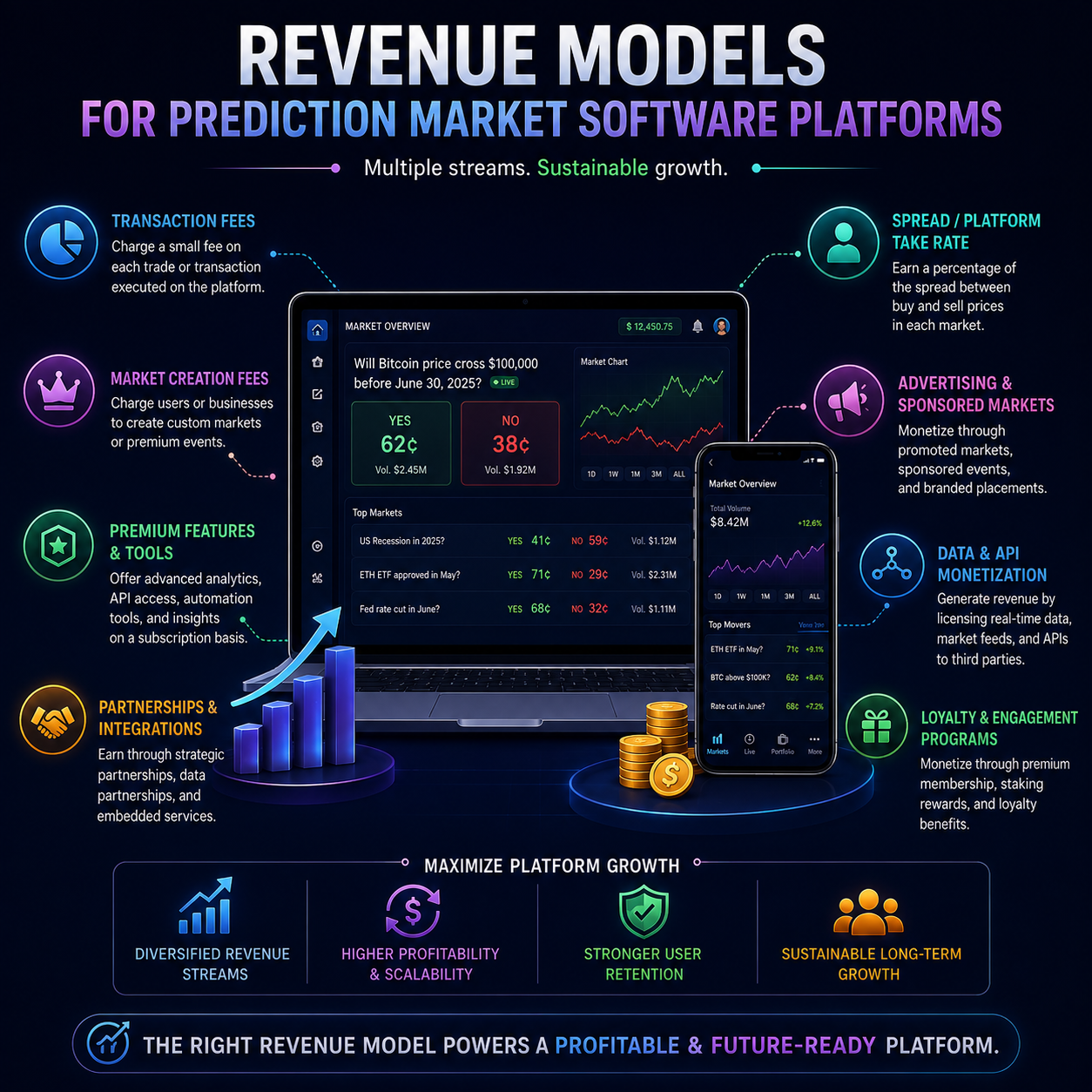
Building a successful prediction market requires more than just a trading interface. Key components include:
Market design: Clear rules and outcome definitions
Liquidity mechanisms: Ensuring active participation
Oracles and data feeds: Reliable event resolution
Compliance frameworks: Especially important for regulated platforms like the Kalshi prediction market platform
With expertise in prediction market platform development, TRUEiGTECH helps businesses navigate these complexities while building secure, scalable, and compliant platforms.
When to Use Each Method
Each forecasting approach has its place:
Use polling for quick sentiment checks and brand perception
Use expert panels for deep analysis in specialized domains
Use prediction markets for high-stakes, data-driven forecasting
However, for organizations prioritizing accuracy, adaptability, and measurable outcomes, prediction markets offer a clear edge.
Conclusion: The Future of Forecasting
While polling and expert panels have long been staples of decision-making, they are increasingly being supplemented—or replaced—by prediction markets.
Driven by incentives, real-time data, and collective intelligence, prediction markets represent a fundamental shift in how organizations approach forecasting. As tools like the Kalshi prediction market platform gain traction, and investment in prediction market platform development continues to grow, it’s clear that this model is not just a trend—it’s the future.
For businesses looking to stay ahead, the question is no longer whether to adopt prediction markets, but how quickly they can integrate them into their decision-making processes. Companies like TRUEiGTECH are playing a key role in this evolution by helping organizations build robust, scalable, and compliant prediction market solutions tailored to modern business needs.

Write a comment ...