
The popularity of digital sweepstakes platforms continues to grow as businesses seek innovative ways to engage customers, increase brand awareness, and generate qualified leads. However, developing a successful platform involves much more than designing an attractive interface or integrating a few promotional features. Modern sweepstakes software development requires careful planning, scalable architecture, advanced security, and seamless integrations to deliver a reliable user experience.
From technical complexities to regulatory considerations, businesses face several challenges throughout the development process. Understanding these obstacles in advance allows organizations to make informed decisions, minimize risks, and build a platform that supports long-term growth. Whether you're creating a custom solution or evaluating turnkey sweepstakes software for sale, recognizing these challenges is the first step toward building a successful sweepstakes business.
1. Building a Scalable Platform
One of the biggest challenges in sweepstakes software development is ensuring the platform can handle increasing user traffic.
Marketing campaigns, promotional events, and seasonal offers can generate thousands—or even millions—of visitors within a short period. Without a scalable architecture, businesses may experience:
Slow loading times
System crashes
Failed registrations
Poor user experiences
Lost revenue opportunities
Developers must build cloud-native platforms capable of automatically scaling resources during traffic spikes. Technologies such as load balancing, distributed servers, and auto-scaling infrastructure help maintain consistent performance even during peak activity.
2. Ensuring Data Security
Sweepstakes platforms collect valuable customer information, including names, email addresses, payment details (where applicable), and user preferences. Protecting this data is one of the most critical responsibilities during development.
Security challenges include:
Unauthorized access
Data breaches
Identity theft
Fraudulent registrations
Account takeovers
To address these risks, developers should implement:
SSL encryption
Secure password hashing
Multi-factor authentication
Role-based access controls
Regular security audits
Encrypted database storage
Strong cybersecurity measures not only protect users but also strengthen customer trust and business reputation.
3. Preventing Fraud and Abuse
Fraud is a common issue for online promotional platforms. Some users attempt to gain unfair advantages by creating multiple accounts, using bots, or submitting duplicate entries.
Effective fraud prevention requires features such as:
CAPTCHA verification
Duplicate account detection
Device fingerprinting
IP monitoring
Email verification
Behavioral analysis
Modern sweepstakes software development increasingly incorporates AI-driven fraud detection systems that identify suspicious activities in real time, helping businesses maintain fair and transparent campaigns.
4. Integrating Third-Party Systems
Businesses rarely operate with a single software solution. Sweepstakes platforms often need to connect with external systems such as:
CRM software
Email marketing platforms
Payment gateways
SMS services
Analytics tools
Customer support platforms
Each integration presents technical challenges related to compatibility, data synchronization, and API management.
An API-first architecture simplifies these integrations and allows businesses to create a connected technology ecosystem.
5. Delivering a Seamless User Experience
A complicated registration process or slow interface can discourage users from participating.
Successful platforms focus on:
Intuitive navigation
Fast page loading
Mobile responsiveness
Simple registration forms
Clear campaign rules
Easy prize redemption
User experience directly influences engagement, conversion rates, and customer retention. Developers must continuously test and optimize the platform to ensure a smooth experience across all devices.
6. Managing Regulatory Compliance
Sweepstakes campaigns are often subject to legal and regulatory requirements that vary by region.
Businesses may need to address:
Eligibility rules
Age verification
Data privacy requirements
Promotional disclosures
Geographic restrictions
Consumer protection laws
Compliance should be considered from the earliest stages of development to reduce legal risks and simplify future operations.
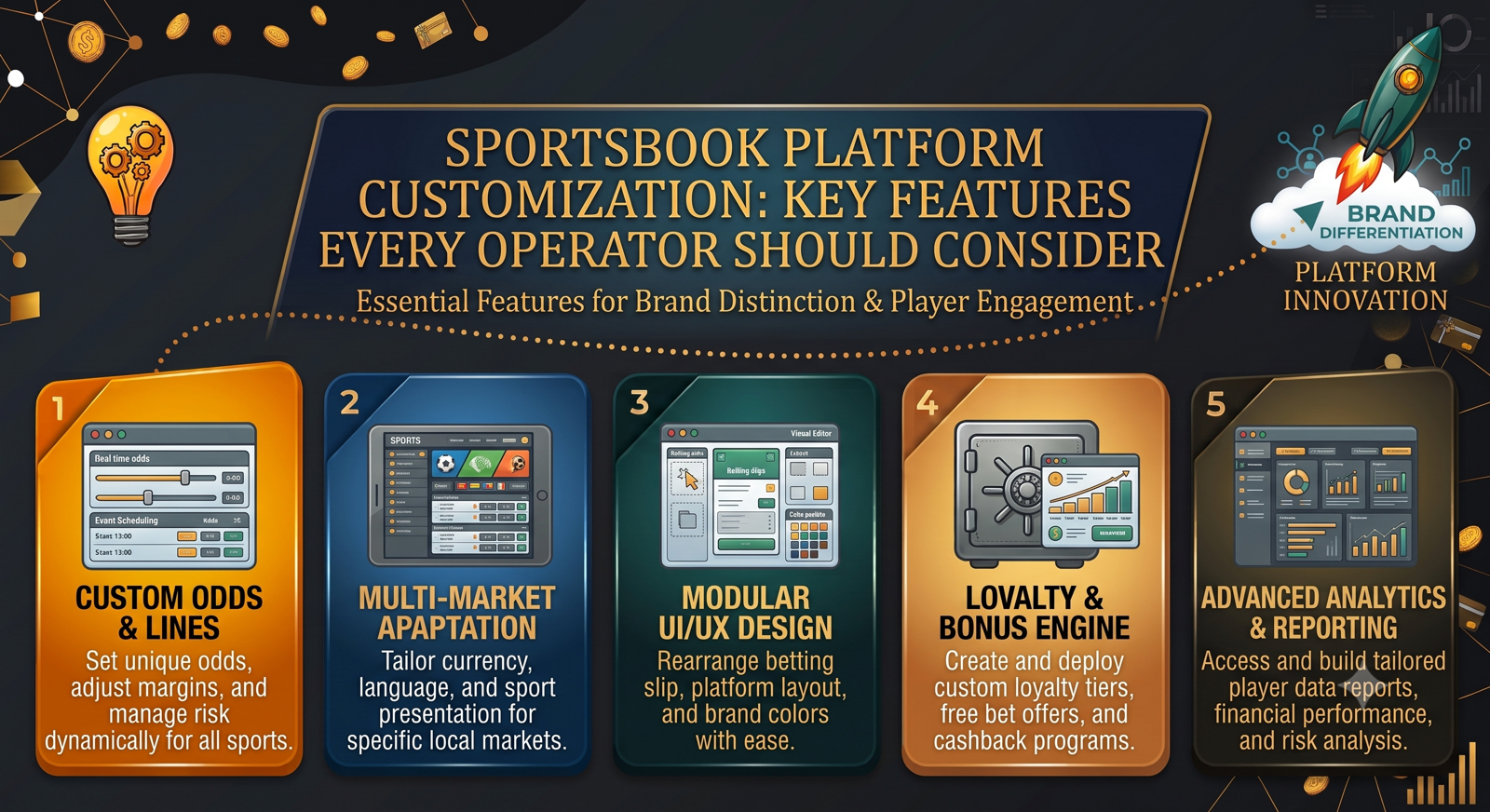
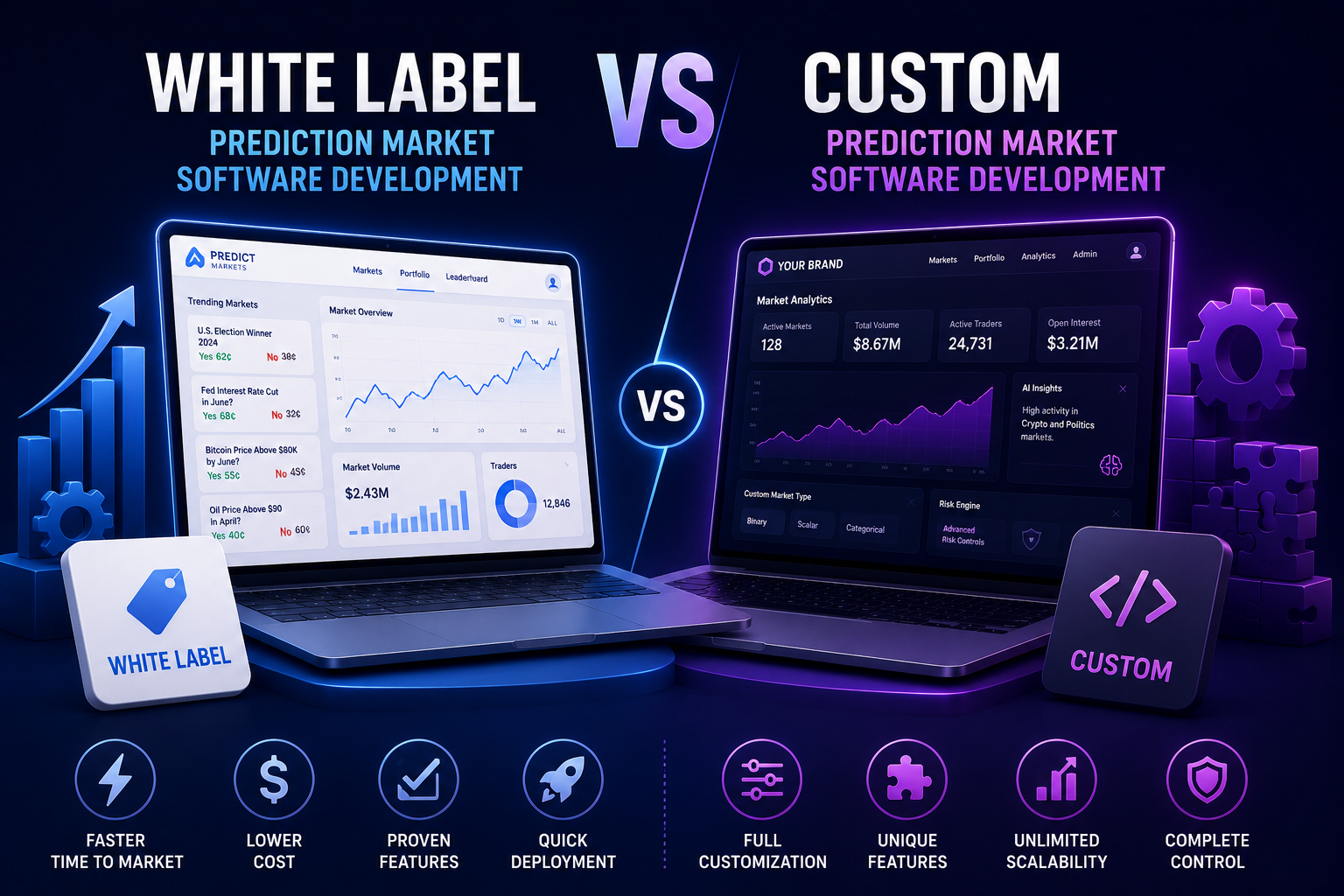
7. Balancing Customization and Development Time
Many businesses require unique features that differentiate their platform from competitors.
Custom development offers flexibility but also increases:
Development time
Project complexity
Testing requirements
Initial investment
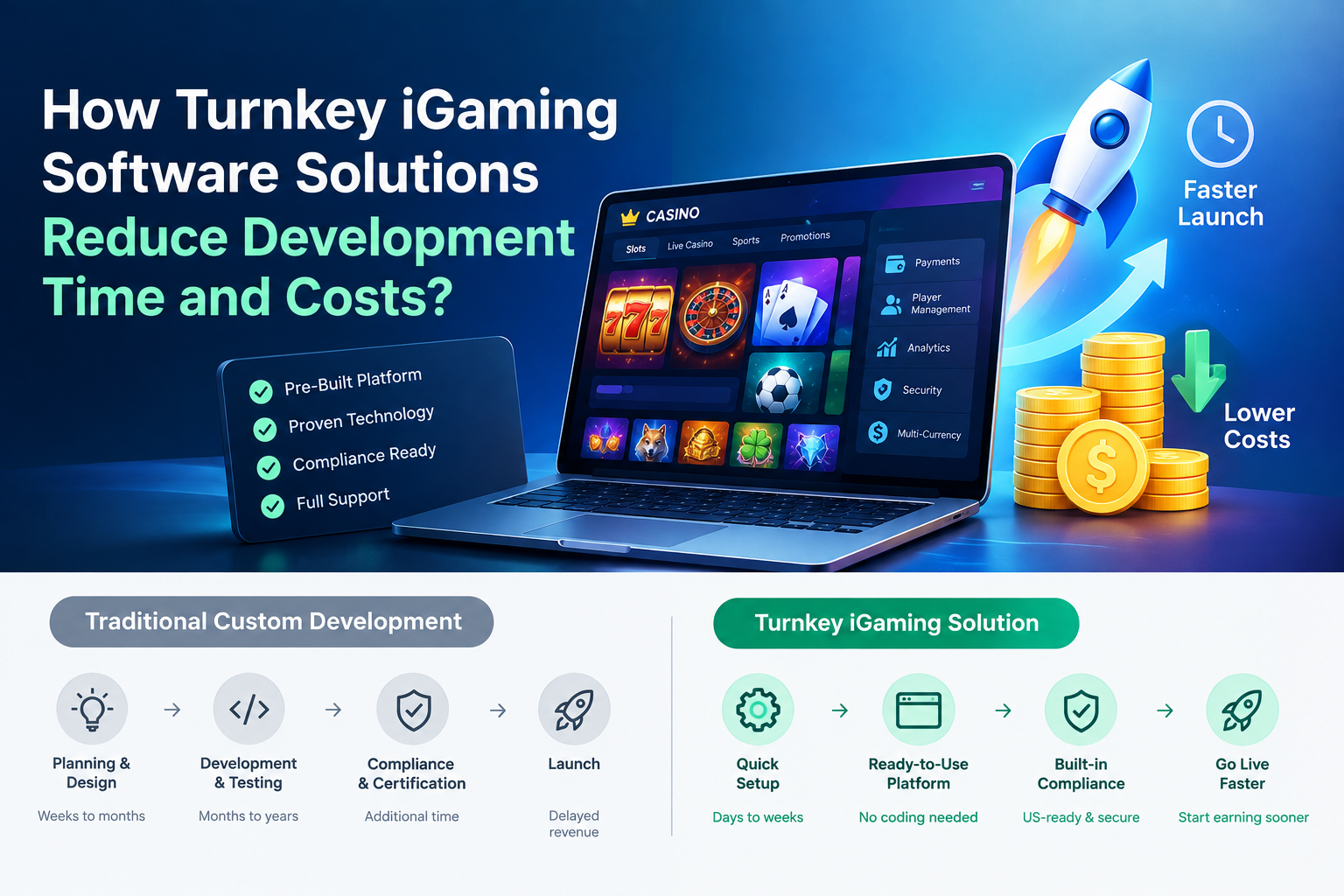
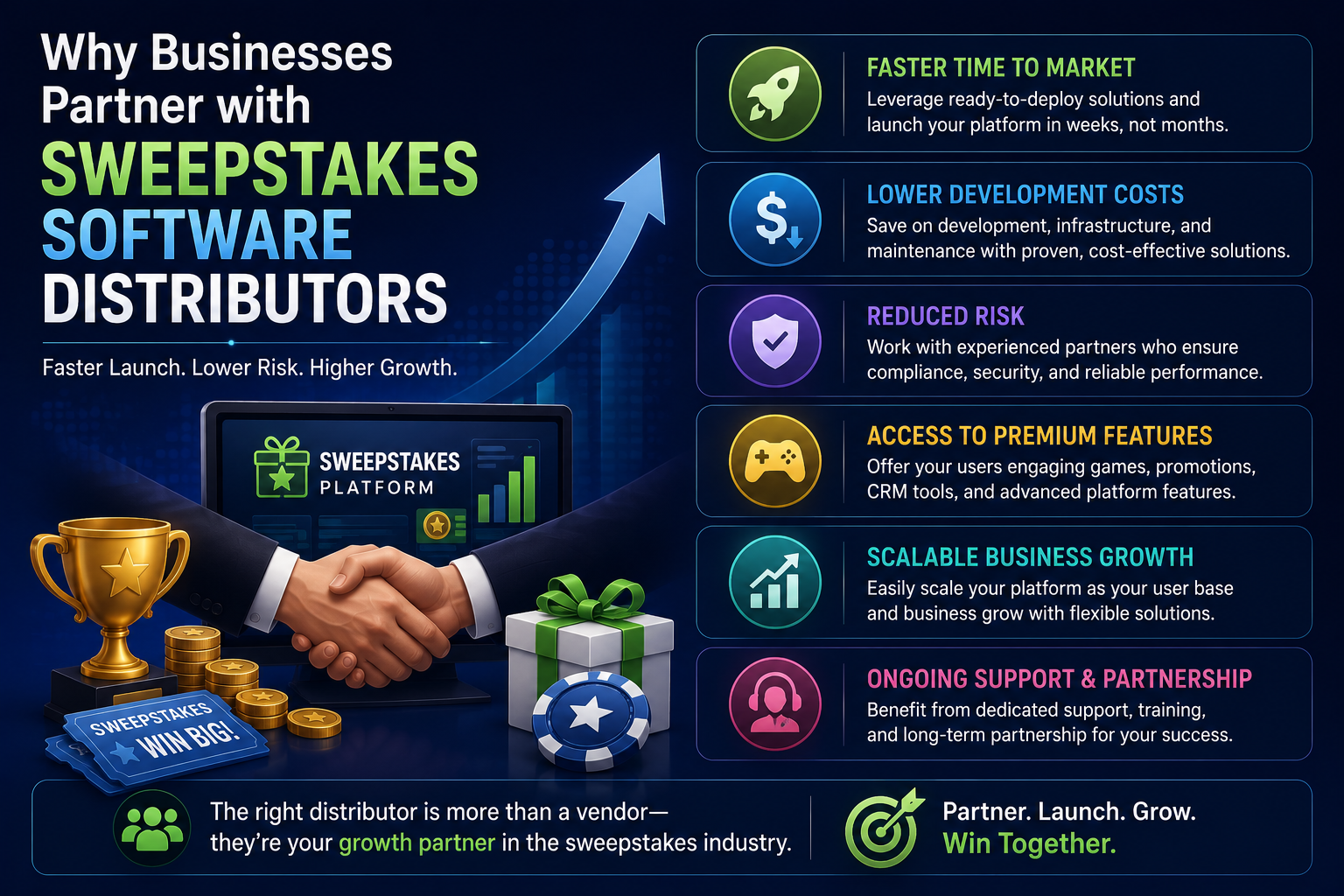
Alternatively, businesses may choose turnkey sweepstakes software for sale, which offers pre-built functionality and a faster deployment timeline. However, turnkey solutions may require additional customization to align with specific business needs.
Finding the right balance between customization and speed is an important strategic decision.
8. Optimizing Performance
Performance issues can significantly affect user satisfaction and campaign success.
Developers must optimize:
Database queries
Server response times
Media loading
Caching strategies
API performance
Network efficiency
Continuous monitoring and performance testing help identify bottlenecks before they impact users.
9. Supporting Mobile Users
A significant percentage of participants access sweepstakes platforms through smartphones and tablets.
Mobile optimization requires:
Responsive layouts
Touch-friendly navigation
Fast-loading pages
Mobile-friendly forms
Cross-browser compatibility
Ignoring mobile users can result in lower participation rates and missed business opportunities.
10. Incorporating Emerging Technologies
The gaming and promotional technology landscape is evolving rapidly.
Businesses increasingly seek crypto sweepstakes software development to integrate blockchain technology, cryptocurrency wallets, and smart contracts into their platforms.
While these innovations create exciting opportunities, they also introduce new challenges such as:
Blockchain integration
Wallet security
Smart contract development
Cross-chain compatibility
Digital asset management
Development teams must possess specialized expertise to implement these technologies securely and effectively.
Choosing the Right Development Approach
Selecting the right development strategy can significantly reduce project risks.
Businesses should evaluate factors such as:
Budget
Timeline
Customization requirements
Scalability goals
Future expansion plans
For startups and businesses seeking rapid deployment, turnkey sweepstakes software for sale can provide a practical solution. Enterprises with unique operational needs may benefit from fully customized development.
The right approach depends on long-term business objectives rather than short-term convenience.
Conclusion
Building a successful sweepstakes platform involves overcoming numerous technical, operational, and strategic challenges. From ensuring scalability and security to integrating third-party systems and adopting emerging technologies, sweepstakes software development requires careful planning and experienced execution.
Businesses considering turnkey sweepstakes software for sale should evaluate whether pre-built solutions meet their operational needs, while organizations pursuing crypto sweepstakes software development should partner with experts capable of implementing blockchain-based features securely.
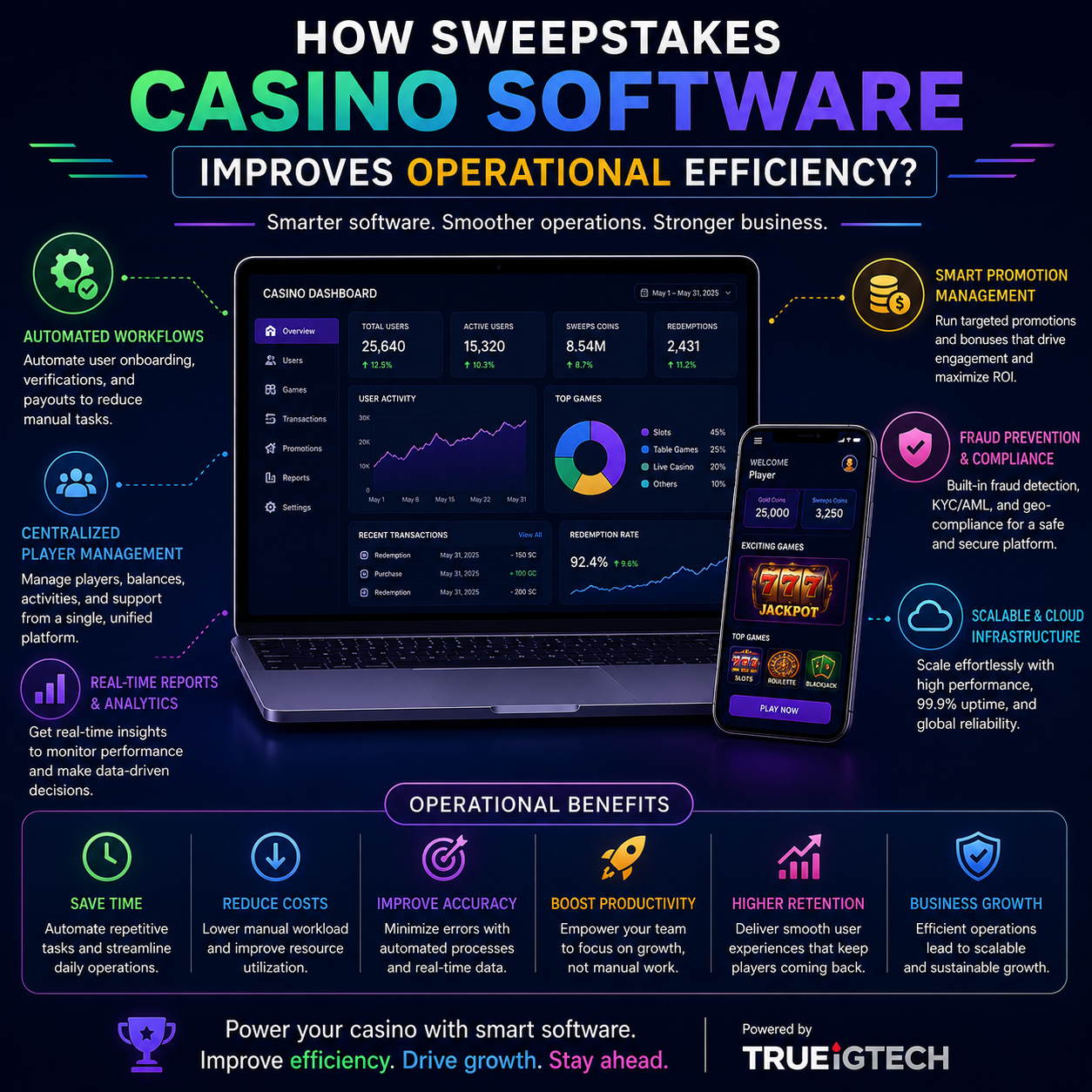
At TRUEiGTECH, we specialize in delivering robust, scalable, and future-ready sweepstakes software solutions tailored to diverse business requirements. Our expertise helps organizations overcome development challenges, accelerate time-to-market, and build innovative platforms that support sustainable growth in the competitive digital gaming industry.











Write a comment ...