
The growth of digital assets has created new opportunities for iGaming operators looking to offer flexible payment options and reach technology-focused audiences. However, adding cryptocurrency to an existing gaming platform requires more than simply connecting a crypto wallet.
Modern operators need technology that can support secure transactions, multiple digital assets, compliance requirements, player management, and efficient platform operations. This is why choosing reliable crypto iGaming solutions has become an important consideration for businesses entering or expanding within the crypto gaming market.
1. Multi-Currency Cryptocurrency Support
A reliable crypto iGaming platform should support multiple cryptocurrencies rather than depending on a single digital asset.
Depending on the target market and business model, operators may want to support commonly used cryptocurrencies and stablecoins. Multi-currency functionality can give users greater flexibility when making deposits and withdrawals.
The platform should also provide accurate transaction tracking and appropriate wallet management for each supported asset.
2. Secure Crypto Wallet Management
Wallet functionality is one of the most important components of a crypto-enabled gaming platform.
A robust wallet system should support:
Deposits and withdrawals
Transaction history
Balance management
Wallet address handling
Transaction status tracking
Security controls
Strong authentication and appropriate security mechanisms are also essential for protecting user accounts and financial information.
3. Secure Payment Processing
Crypto transactions need reliable processing infrastructure to ensure deposits and withdrawals are handled efficiently.
A well-designed platform can integrate with suitable payment gateways, crypto payment providers, and wallet infrastructure. Operators can also implement automated transaction monitoring to identify failed, pending, or completed payments.
The goal is to create a payment experience that is straightforward for users while maintaining appropriate controls behind the scenes.
4. Game and API Integration
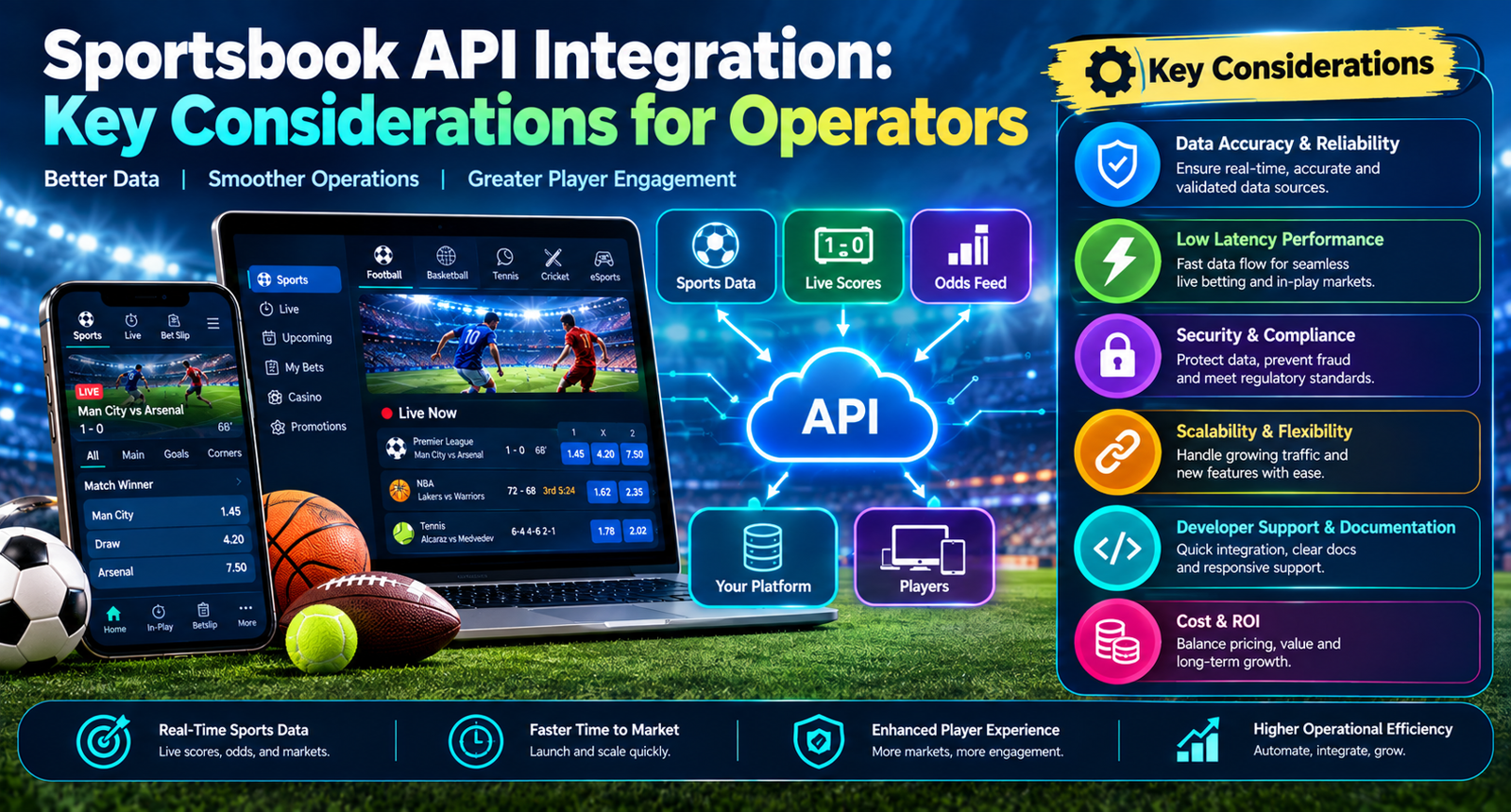
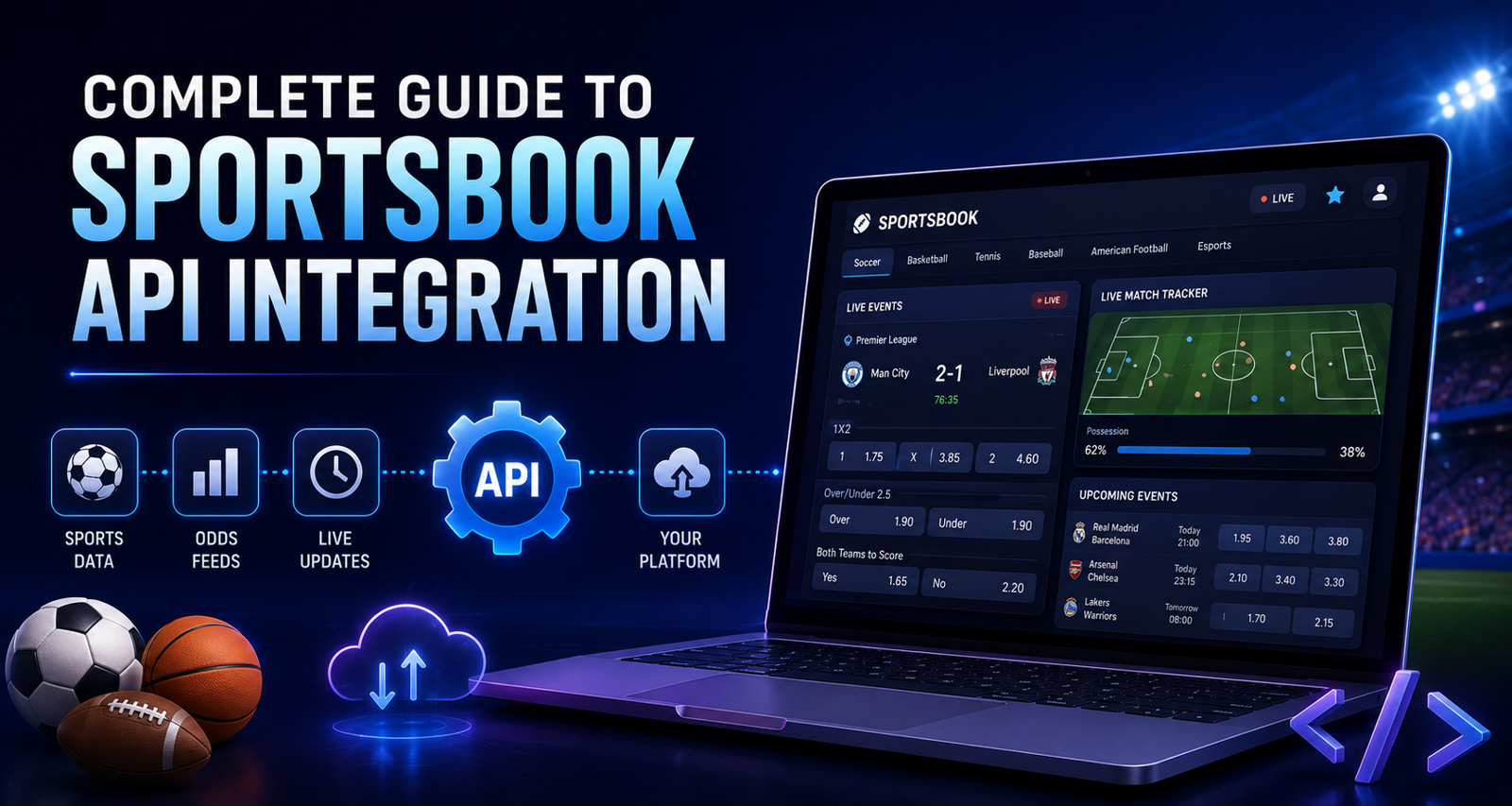
Modern operators rarely build every gaming component from scratch. They often integrate casino games, sportsbooks, payment providers, KYC services, analytics platforms, and other third-party systems.
API compatibility is therefore a key feature of crypto iGaming technology.
A flexible integration framework allows operators to add or replace services without rebuilding the entire platform. This can be particularly valuable when expanding game libraries or entering new markets.
5. Strong Security Infrastructure
Security becomes especially important when a platform handles both gaming activity and digital assets.
Reliable crypto iGaming solutions should incorporate multiple layers of protection, such as:
Secure authentication
Encryption
Access controls
API security
Transaction monitoring
Fraud detection
Secure wallet infrastructure
Regular vulnerability testing
Security should be considered throughout the platform lifecycle rather than added only before launch.
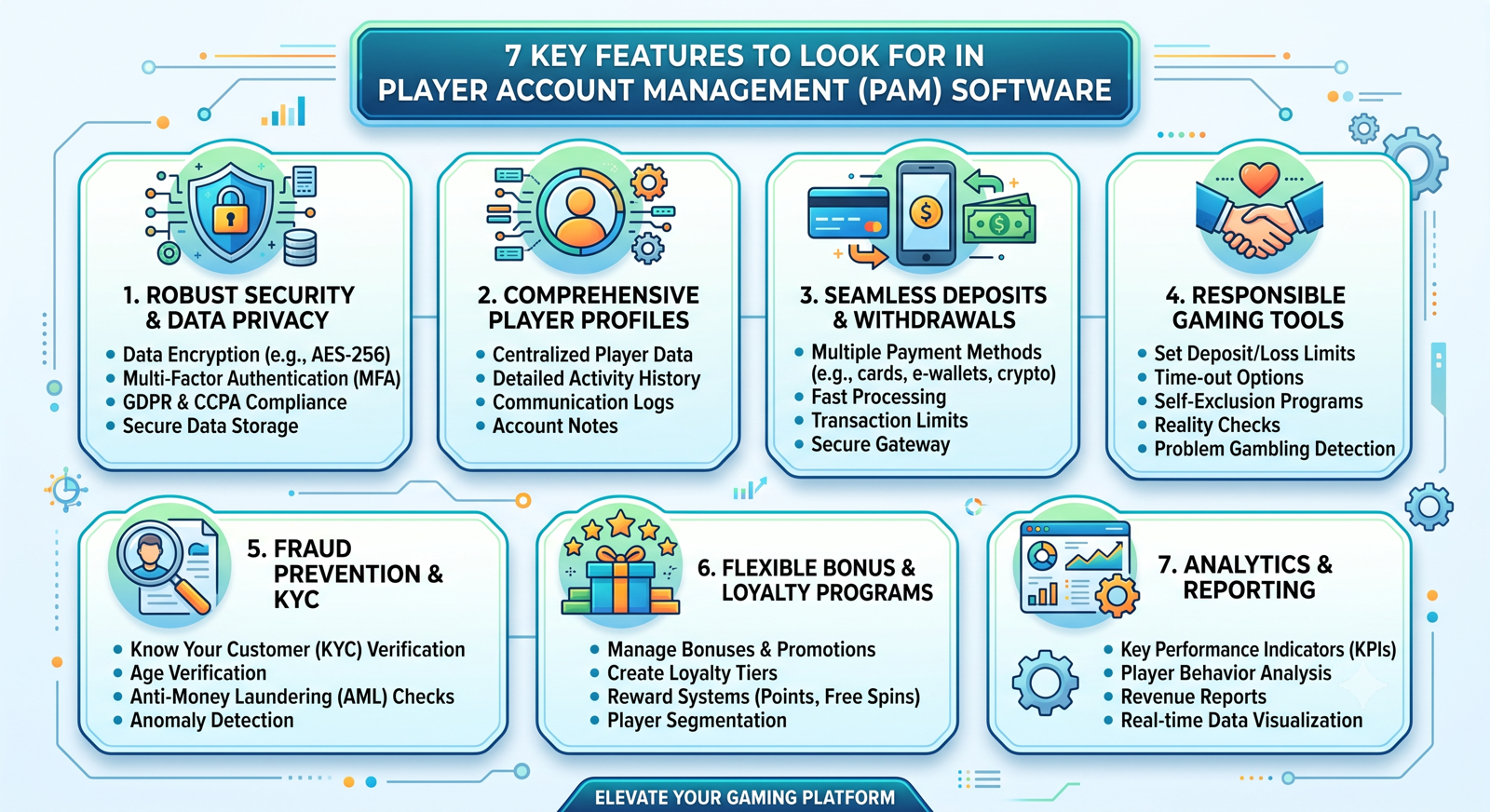
6. Player Account and Management Tools
Crypto functionality should work seamlessly with the platform's broader player management system.
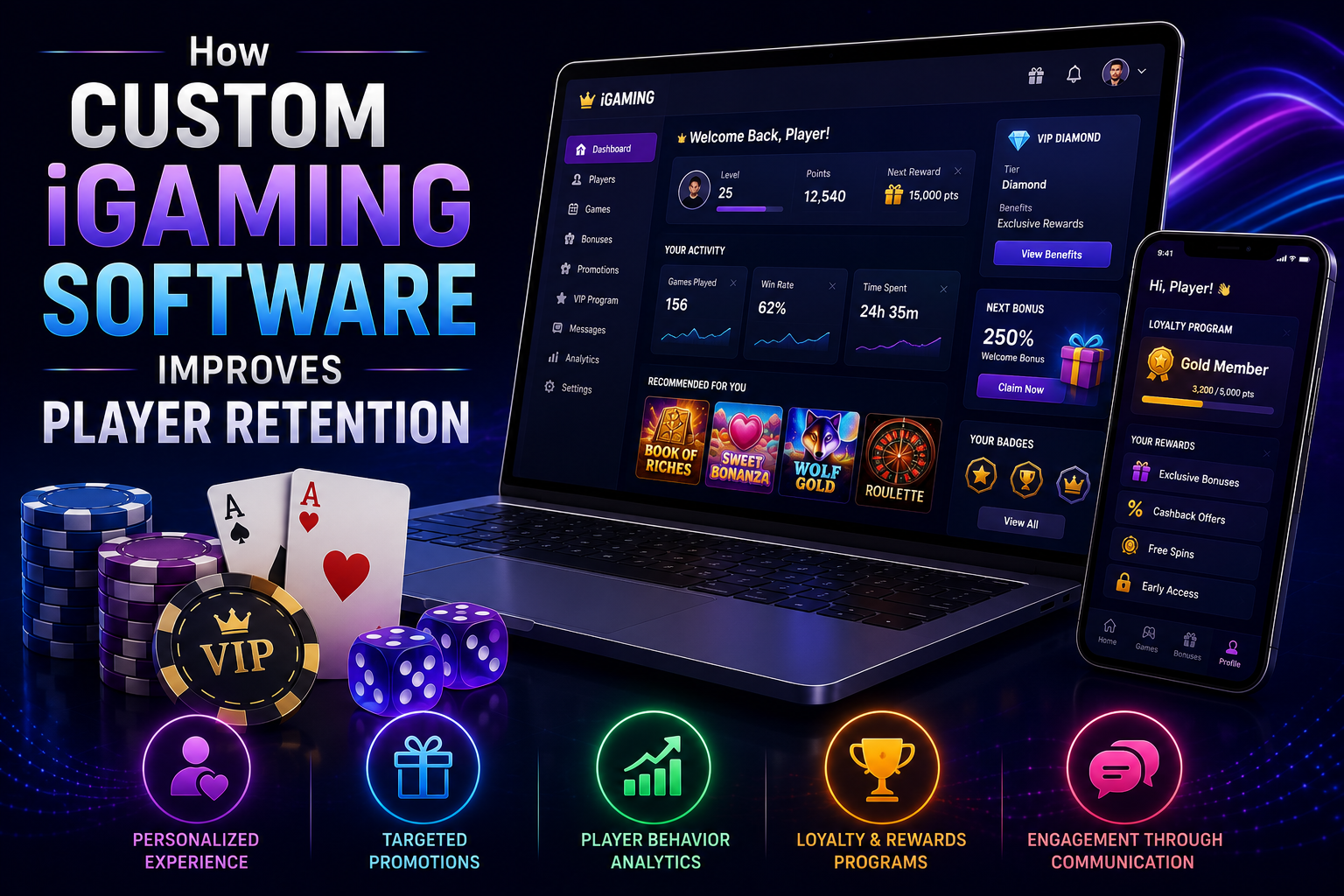
Operators may need tools for registration, account verification, transaction tracking, player segmentation, bonuses, promotional campaigns, and responsible gaming controls.
A centralized management system gives operators better visibility into player activity while allowing them to manage different aspects of the platform from a single interface.
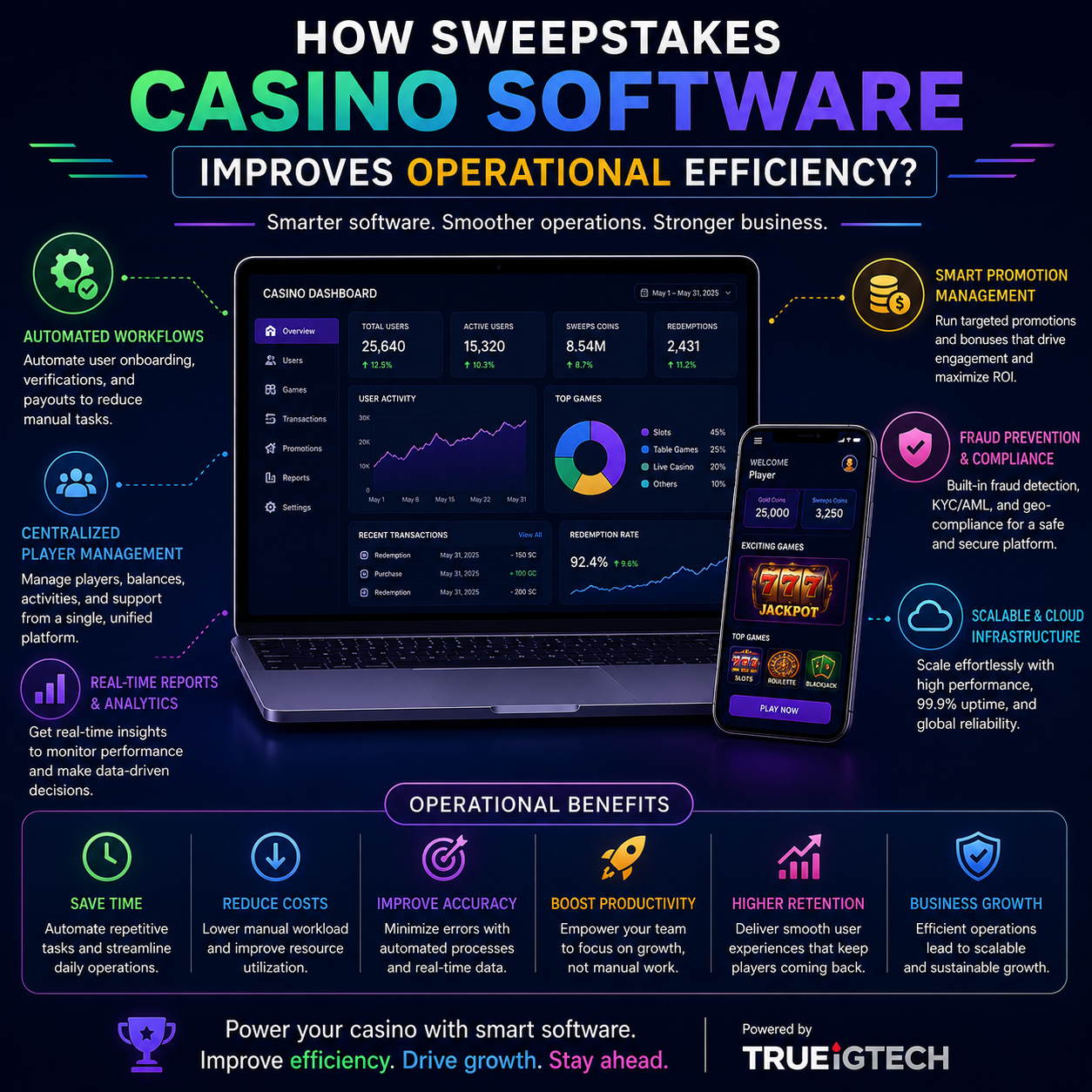
7. Real-Time Reporting and Analytics
Data plays an important role in managing an online gaming business.
Analytics tools can help operators monitor:
Deposits and withdrawals
Player activity
Game performance
Conversion rates
Revenue trends
Promotional performance
Transaction activity
Real-time or near-real-time reporting can help operators identify unusual activity and make informed operational decisions.
8. Scalable Platform Architecture
Crypto iGaming platforms should be built with future growth in mind. As player numbers, transactions, games, and supported assets increase, the infrastructure needs to handle additional workloads without compromising performance.
Cloud-ready infrastructure, modular architecture, caching, database optimization, and scalable APIs can help create a platform capable of supporting business expansion.
9. Compliance and Responsible Gaming Features
The regulatory environment surrounding online gaming and cryptocurrency can vary considerably between jurisdictions. Operators therefore need to consider applicable licensing, identity verification, AML, transaction monitoring, and responsible gaming requirements.
Technology should provide the necessary controls to help operators implement their compliance processes according to the markets in which they operate.
10. Mobile-Friendly User Experience
Many users access gaming platforms through smartphones. A crypto iGaming platform should therefore provide a responsive and intuitive mobile experience.
Users should be able to register, manage their accounts, make transactions, browse games, and access other important features conveniently across different screen sizes.
A streamlined mobile experience can also help reduce friction during registration and payment processes.
Choosing the Right Crypto iGaming Technology
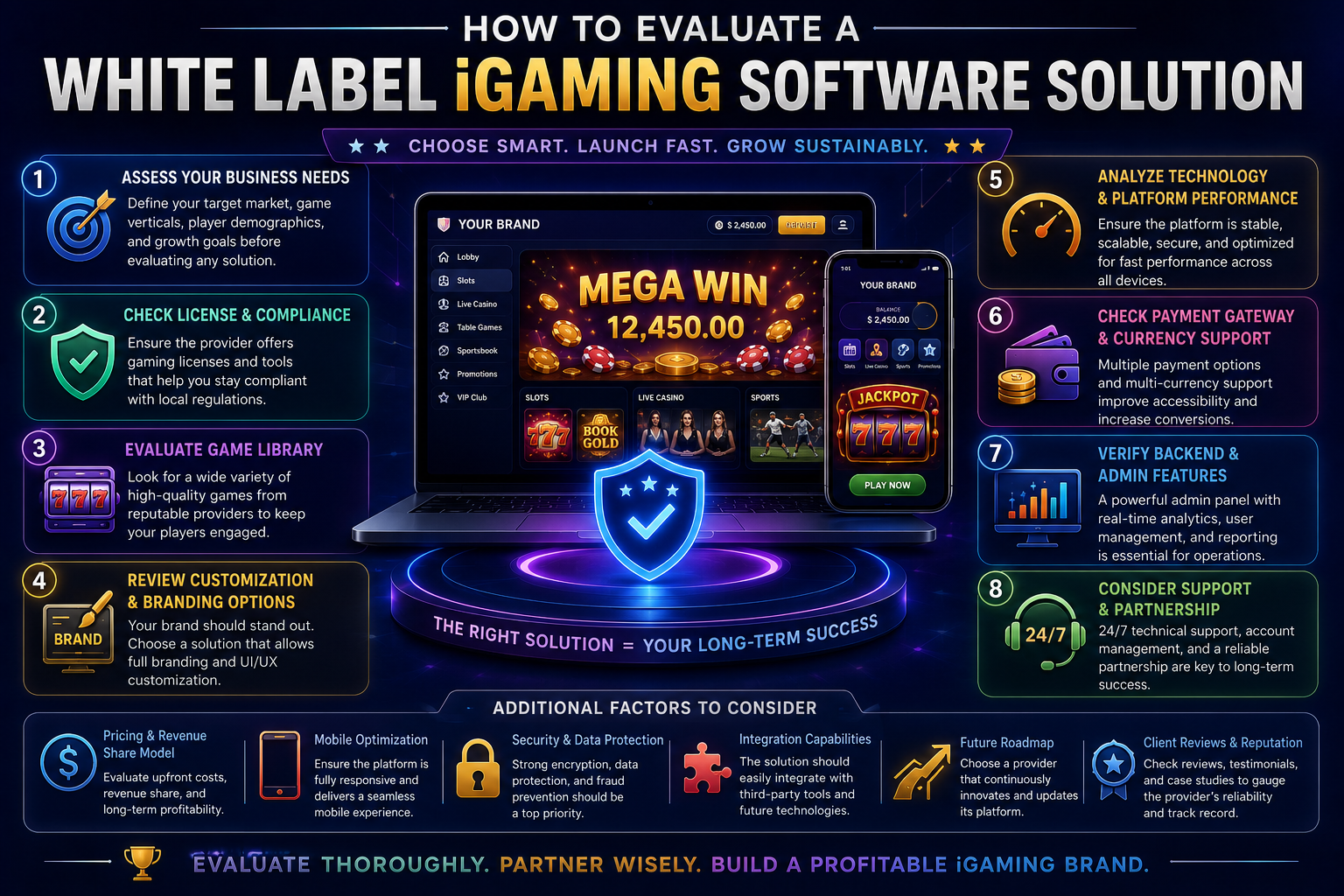
The right technology can influence how efficiently an operator launches, manages, and scales a crypto-enabled gaming platform. Instead of focusing only on cryptocurrency payment functionality, businesses should evaluate the complete technology stack—including security, wallet management, integrations, analytics, scalability, and player management.
TRUEiGTECH provides technology solutions for operators seeking configurable iGaming platforms with payment, gaming, management, and integration capabilities. Selecting a solution based on both current requirements and long-term business objectives can help operators build a more adaptable crypto gaming ecosystem.






Write a comment ...