
Launching a digital lottery platform involves more than selecting games and creating a user interface. Businesses also need to consider data security, payment protection, player verification, responsible gaming measures, access controls, monitoring, and regulatory requirements.
This makes security and compliance important considerations when evaluating turnkey lottery software solutions.
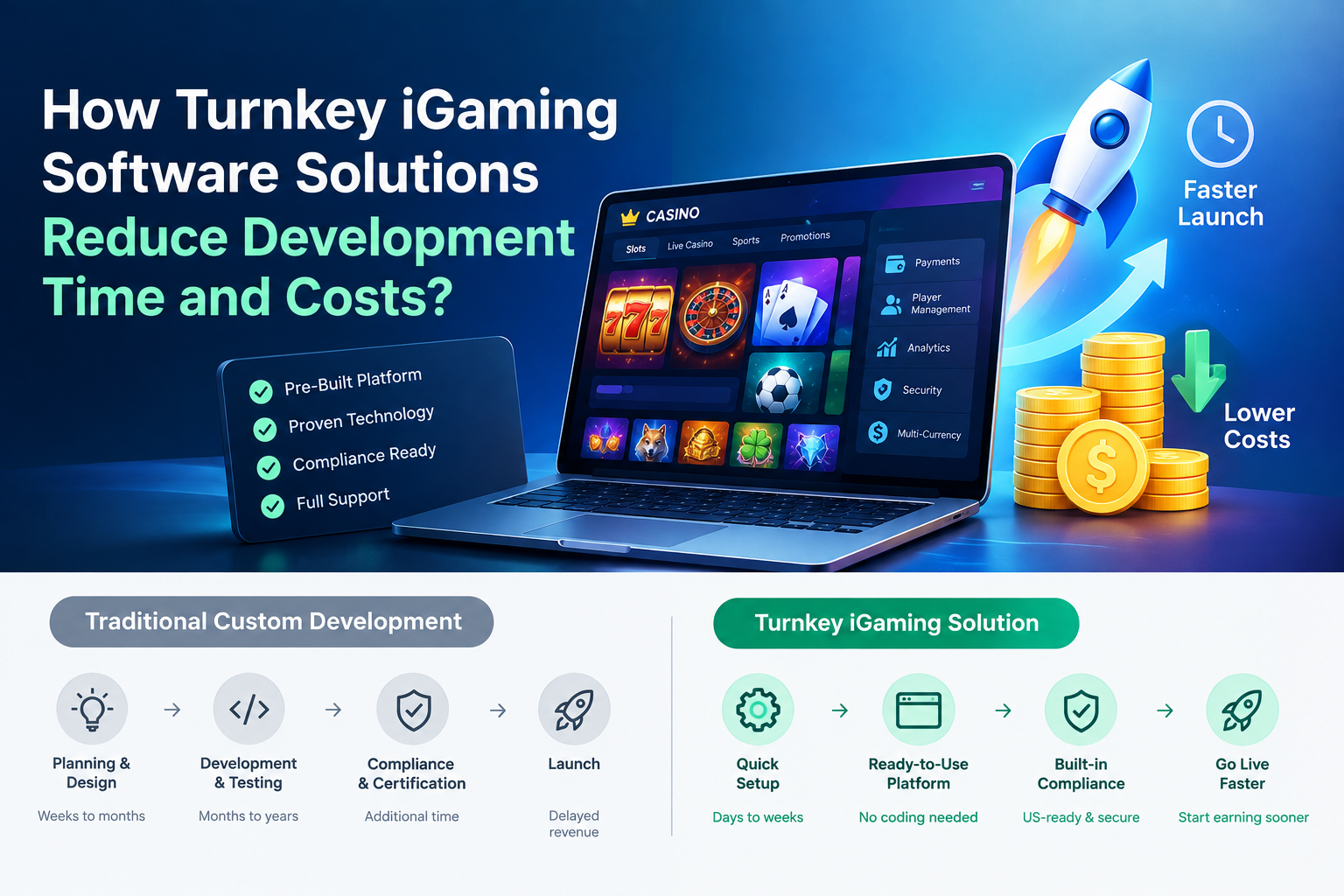
A turnkey platform can simplify technology deployment by providing pre-built infrastructure and operational functionality. However, businesses still need to understand how the software handles security, integrations, data, and jurisdiction-specific requirements.
Understand the Platform's Security Architecture
Before selecting a turnkey lottery solution, businesses should understand how the platform protects critical systems and information.
Important areas to examine include secure communication, authentication, authorization, database protection, access management, vulnerability monitoring, and infrastructure security.
The software provider should also have processes for identifying and addressing security vulnerabilities.
A detailed security assessment can help businesses understand whether the platform is suitable for their operational environment.
Protect Player and Business Data
Lottery platforms can process sensitive information, including account details, transaction information, contact information, and other user data.
A platform should therefore incorporate appropriate safeguards for data storage and transmission.
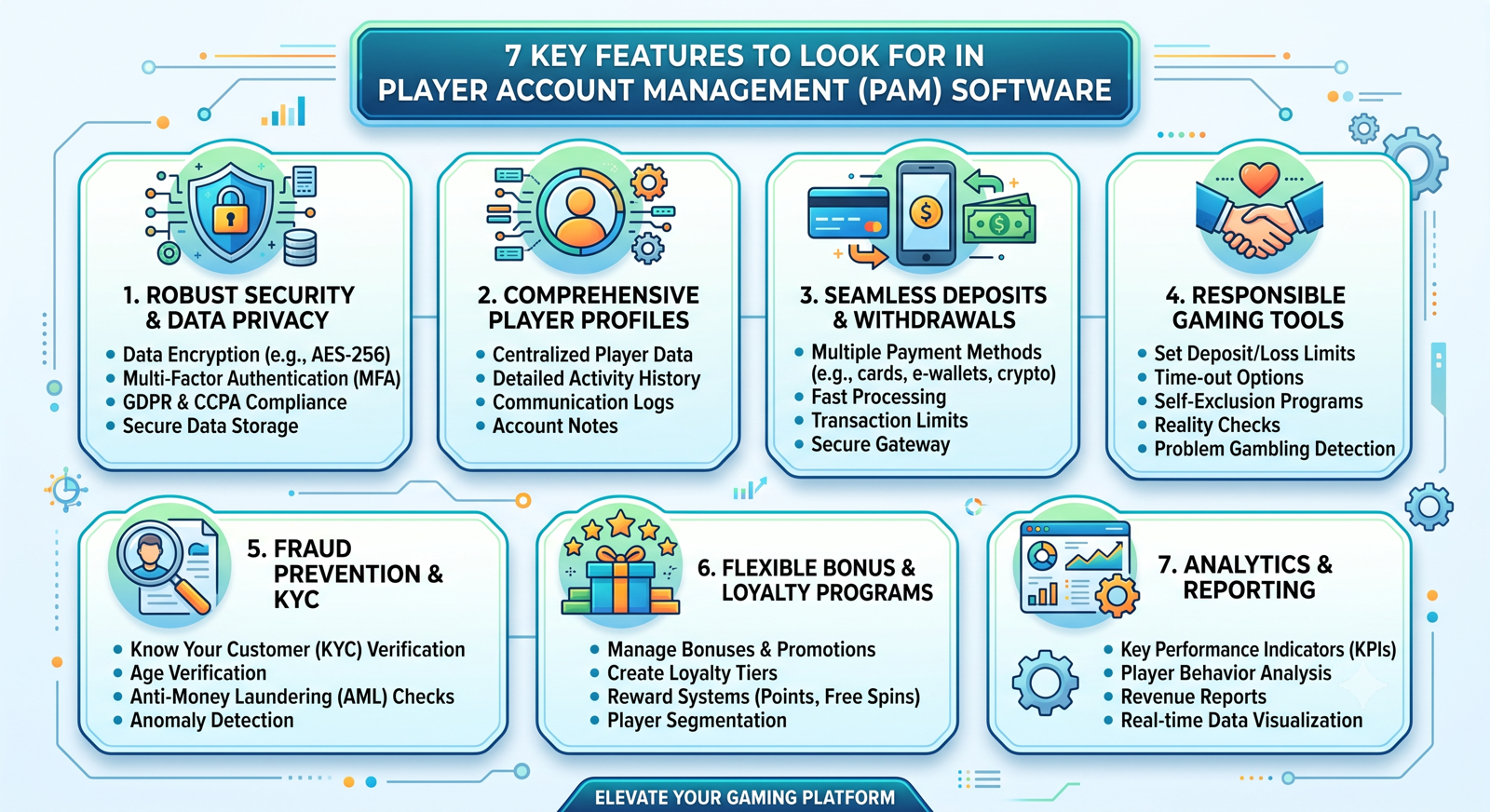
Encryption, role-based access controls, secure authentication, monitoring, and controlled administrative access can help reduce unnecessary exposure of sensitive information.
Businesses should also understand where data is stored, who can access it, and how long it is retained.
Secure Payment Processing
Payment infrastructure is another critical component of an online lottery platform.
Turnkey lottery software may connect with payment gateways and financial service providers through APIs. Businesses should verify how these integrations are implemented and what security responsibilities belong to the software provider, payment provider, and operator.
Payment-related information should be handled using appropriate security practices, while transaction activity should be monitored for unusual patterns.
The platform should also provide appropriate administrative tools for reviewing deposits, withdrawals, transaction histories, and account activity.
Player Authentication and Account Security
Strong account security helps protect both users and operators.
Depending on the market and business model, a lottery platform may incorporate email or phone verification, multi-factor authentication, identity verification, password policies, session controls, and account monitoring.
Administrative accounts should receive additional protection because unauthorized access to back-office systems could expose player information or affect platform operations.
Role-based permissions can help ensure that employees only access the functions required for their responsibilities.
Responsible Gaming Controls
Responsible gaming should also be considered when evaluating lottery technology.
Depending on the applicable jurisdiction and business model, platforms may need features that allow operators to establish player limits, account restrictions, self-exclusion processes, activity monitoring, and other responsible gaming controls.
The specific requirements can vary considerably between jurisdictions.
For this reason, operators should identify their target markets before selecting a software platform and verify that the technology can support the controls required in those markets.
Regulatory and Jurisdictional Requirements
Lottery regulations are not identical everywhere.
Licensing requirements, age restrictions, player verification, payment rules, advertising requirements, responsible gaming obligations, reporting requirements, and data regulations can vary by jurisdiction.
A software provider can supply technology and compliance-related features, but businesses remain responsible for determining the legal and regulatory requirements applicable to their operation.
Before launching, operators should obtain appropriate legal and regulatory guidance for each target market.
Monitoring and Audit Trails
Effective monitoring can help businesses identify suspicious activity, operational problems, and security incidents.
Administrative activity logs, transaction histories, player activity records, system alerts, and audit trails can provide valuable visibility into platform operations.
These tools can also make it easier for businesses to investigate incidents and maintain appropriate operational records.
API and Third-Party Security
Turnkey lottery platforms frequently depend on third-party integrations.
These may include payment gateways, identity verification services, analytics platforms, game providers, CRM systems, communication tools, and other APIs.
Every external connection can introduce additional security considerations.
Businesses should evaluate how APIs are authenticated, how data is transmitted, what permissions are granted, and how access can be revoked when necessary.
Third-party providers should also be assessed as part of the overall security strategy.
Regular Testing and Updates
Security cannot be treated as a one-time implementation task.
Software environments change continuously, new vulnerabilities can emerge, and third-party integrations may be updated over time.
Businesses should therefore ask potential technology providers about their processes for security updates, vulnerability management, backups, monitoring, incident response, and platform maintenance.
Regular testing can help identify weaknesses before they become operational problems.
What Should Businesses Ask a Software Provider?
Before selecting turnkey lottery software, businesses can ask questions such as:
How is player data protected?
What authentication and access-control mechanisms are available?
How are payment integrations secured?
What monitoring and audit tools are included?
How are software updates and security patches handled?
What responsible gaming features are supported?
Which third-party integrations are available?
How is platform activity logged?
What backup and recovery processes are available?
Can the platform support the requirements of the intended jurisdiction?
These questions can help businesses evaluate the technology beyond its visible features.
Building a Secure Lottery Platform
Security and compliance should be considered during platform selection rather than after development is complete.
A turnkey solution can provide a foundation for launching a lottery platform, but operators should carefully assess its security architecture, data protection capabilities, payment integrations, monitoring tools, responsible gaming features, and support processes.
TRUEiGTECH provides lottery software technology designed with configurable platform functionality, integrations, security considerations, and operational tools for businesses developing digital lottery solutions.
For companies evaluating turnkey lottery software solutions, a thorough assessment of security and compliance capabilities can help establish a stronger foundation for long-term platform operations.







Write a comment ...