
Modern sportsbook platforms rely on multiple technology components to deliver betting markets, odds, events, player accounts, and transaction functionality. Connecting these components efficiently is essential for operators that want to provide a reliable and responsive betting experience.
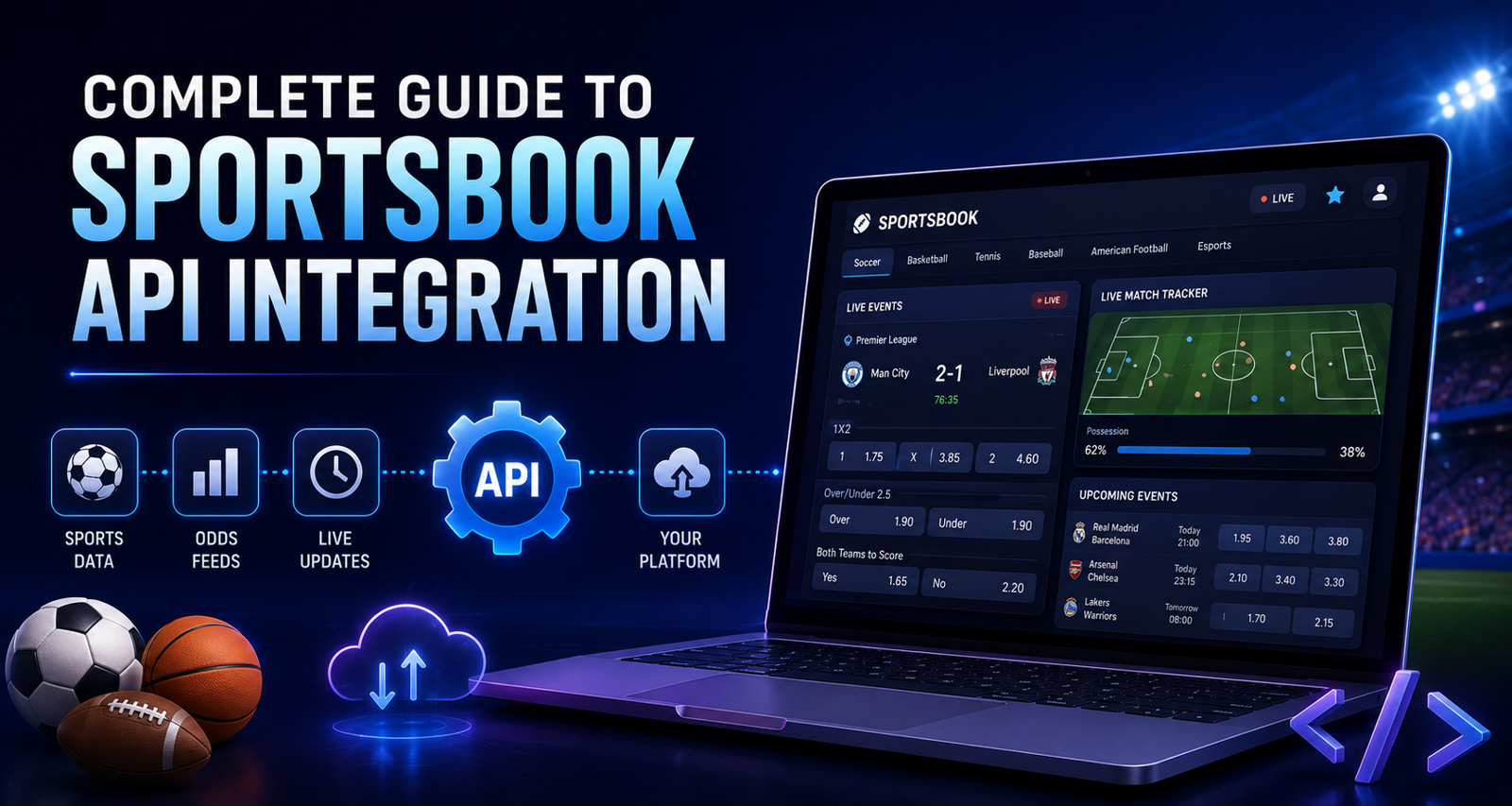
A sportsbook API integration provides a structured way for betting platforms to connect with external data providers, sportsbook systems, payment services, player management platforms, and other third-party technologies. By exchanging data between systems, APIs can help operators build connected sportsbook environments without developing every data source or service internally.
What Is Sportsbook API Integration?
Sportsbook API integration involves connecting an application or betting platform with an external sportsbook API. The API acts as an interface that allows different systems to exchange information based on defined technical rules.
Depending on the API provider, available data may include sporting events, leagues, markets, odds, fixtures, results, betting selections, and other sportsbook information.
For operators, this means they can connect their sportsbook frontend and backend systems with external data sources while creating a centralized betting environment.
How Sportsbook APIs Connect Odds and Markets
1. Receiving Sports Data
Sportsbook APIs can provide structured information about upcoming and ongoing sporting events.
This may include information such as:
Sports and competitions
Leagues and tournaments
Teams or participants
Match schedules
Event status
Results
Available betting markets
The sportsbook platform can consume this information and display relevant events to users.
2. Delivering Real-Time Odds
Odds are an essential component of sportsbook operations. They can change based on factors such as market conditions, event developments, and pricing decisions.
An API can transmit updated odds from an external data or sportsbook provider to the operator's platform. The frontend can then display the latest available information to users.
The frequency and speed of updates depend on the specific API architecture and provider.
3. Managing Betting Markets
A single sporting event can contain multiple betting markets. For example, depending on the sport and event, operators may offer markets related to the winner, totals, handicaps, player performance, or other outcomes.
Sportsbook APIs can provide structured market information that allows operators to organize these options within their betting interface.
This helps create a more comprehensive sportsbook experience without requiring operators to manually build every market.
Connecting the Frontend With the Sportsbook Backend
The sportsbook frontend is the part of the platform users interact with, while backend systems manage data, accounts, transactions, betting processes, and other operational functions.
APIs can act as the communication layer between these components.
When a user selects an event or betting market, the platform can request relevant information from connected backend systems. Similarly, user actions can be transmitted back through APIs for processing.
This architecture allows different components to communicate while remaining technically separated.
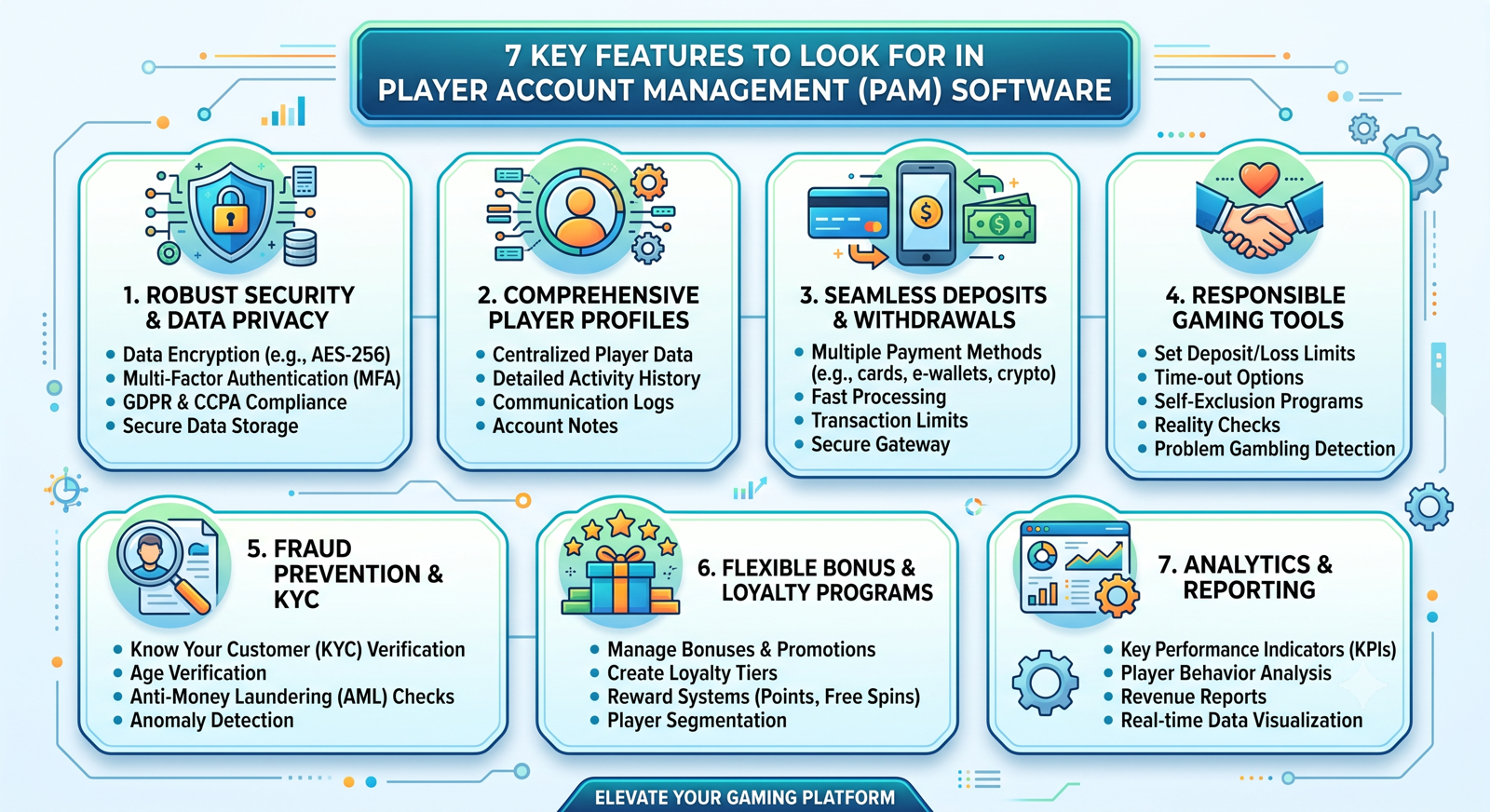
Integrating Player and Account Management
A sportsbook also needs systems for managing player accounts and activity.
API integrations can connect sportsbook functionality with player management systems to support processes such as:
Account registration
Authentication
Player profiles
Balance information
Betting history
Transaction information
Account status
This can help operators create a connected platform where sportsbook activity and player information can be managed across different systems.
Connecting Payment Systems
Payments are another important part of sportsbook infrastructure. Operators may need to connect their platforms with payment gateways, wallets, banking services, or other transaction providers.
Payment APIs can facilitate communication between the sportsbook platform and payment systems for activities such as deposits and withdrawals.
The exact payment workflow depends on the provider, integration architecture, market, and applicable regulatory requirements.
Benefits of Sportsbook API Integration
Improved Platform Flexibility
API-based architecture allows operators to connect different technology providers and services. This can provide greater flexibility when building or expanding sportsbook infrastructure.
Faster Access to Sports Data
Rather than manually creating event and market data, operators can connect with external data providers and receive structured information through APIs.
Easier Third-Party Integrations
APIs can help connect sportsbook platforms with payment systems, CRM tools, analytics platforms, player management solutions, and other services.
Scalable Architecture
A well-designed API architecture can support additional integrations as an operator's platform grows. New services can potentially be added without rebuilding the entire sportsbook application.
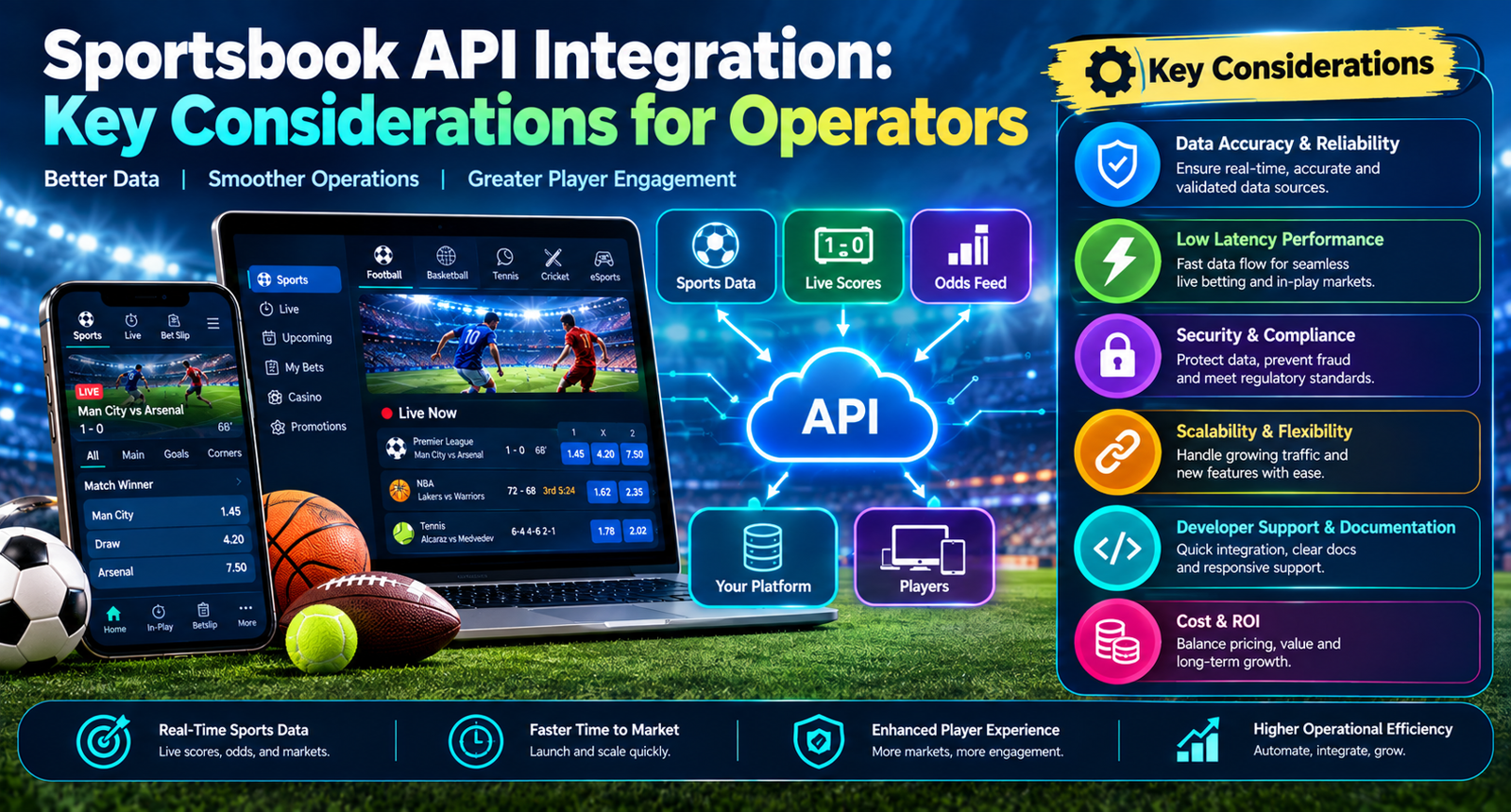
What Operators Should Consider When Choosing a Sportsbook API
Not every sportsbook API offers the same functionality. Operators should evaluate several technical and operational factors, including:
Sports and league coverage
Available betting markets
Odds update frequency
API documentation
Response formats
Integration requirements
Authentication and security
System reliability
Scalability
Technical support
Data latency
Pricing structure
Compliance requirements
Operators should also test API performance and integration compatibility before deploying the system in a live environment.
Building a Connected Sportsbook Ecosystem
A modern sportsbook may depend on multiple technologies working together. Sports data providers supply event information and odds, sportsbook systems manage betting functionality, payment providers handle transactions, and player management systems maintain account data.
API integrations provide the communication layer connecting these services.
This approach allows operators to build modular sportsbook platforms where different components can work together while maintaining defined responsibilities.
Conclusion
Sportsbook API integration plays an important role in connecting odds, betting markets, player systems, payments, and sportsbook platforms. By using APIs to exchange structured data between different technologies, operators can build flexible and scalable betting environments.
For businesses developing or expanding sportsbook platforms, TIGSPORTSBOOK offers sportsbook technology solutions designed to support platform integration and operational requirements. Selecting APIs based on data coverage, performance, security, scalability, and integration requirements can help operators establish a stronger technical foundation for their sportsbook.










Write a comment ...