
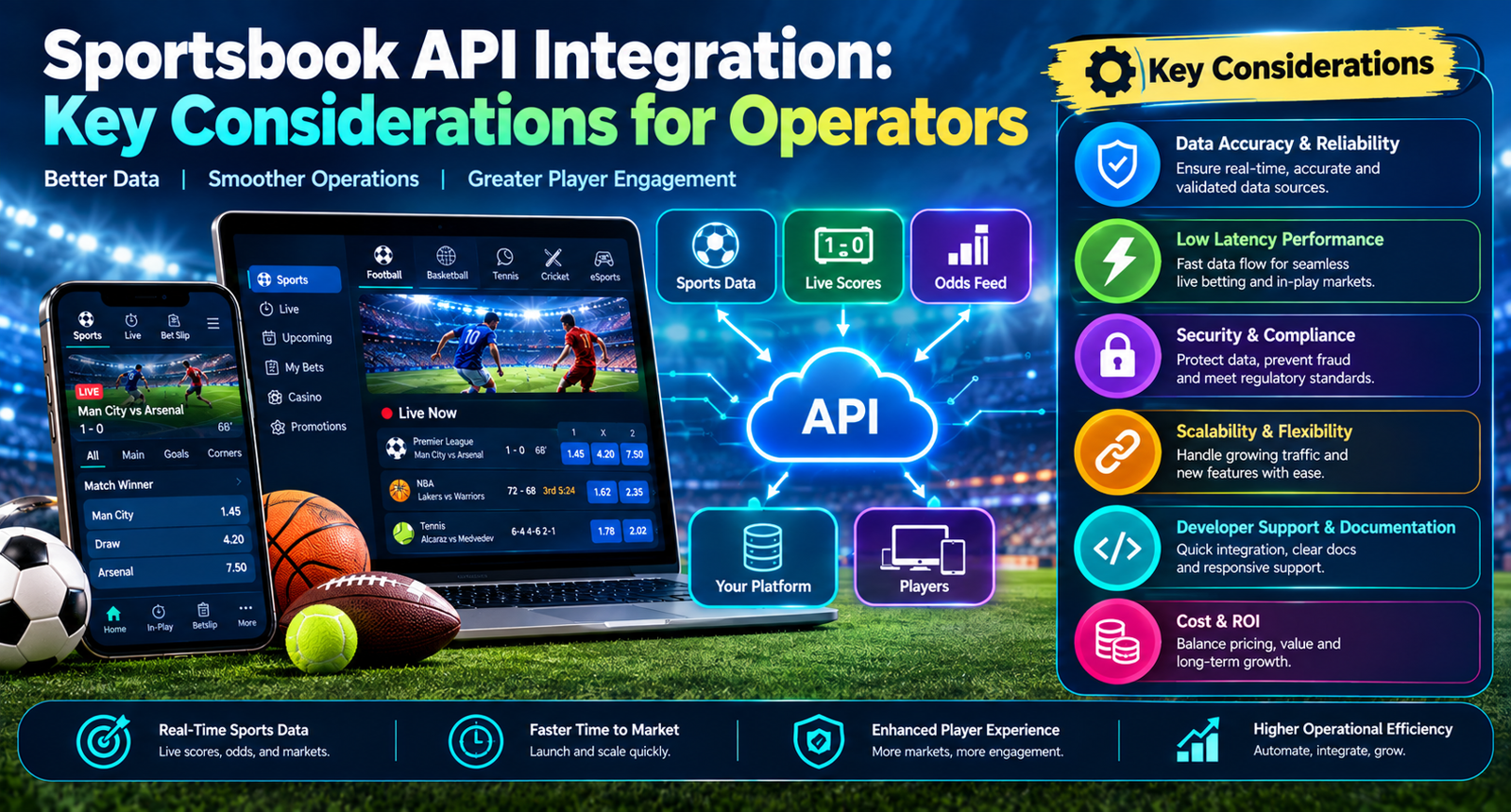
Launching a sportsbook requires more than access to betting markets and competitive odds. Operators also need a reliable platform experience that integrates smoothly with their existing website or application. A sportsbook iframe solution can simplify this process by allowing operators to embed a sportsbook interface into their digital platform without developing the entire betting interface from scratch.
However, choosing the right provider requires careful evaluation of technical compatibility, user experience, security, and long-term scalability.
1. Compatibility With Your Existing Platform
Before selecting a sportsbook iframe provider, operators should assess how easily the solution can integrate with their current website, application, and supporting systems.
A compatible iframe should work with the platform's existing architecture while minimizing unnecessary development work. Operators should also confirm the provider's technical requirements, supported devices, integration documentation, and customization options.
A smooth integration process helps reduce implementation complexity and makes it easier to manage the sportsbook alongside other platform features.
2. User Experience Across Devices
A sportsbook interface should provide a consistent experience across desktop computers, tablets, and mobile devices. Poor responsiveness, slow loading, or difficult navigation can interrupt the betting journey and reduce user engagement.
When evaluating a provider, operators should examine how the iframe displays live odds, upcoming events, market categories, and bet slips on different screen sizes.
The solution should also support intuitive navigation and efficient access to relevant betting markets. A mobile-friendly interface is particularly important for operators serving audiences who primarily access betting services through smartphones.
3. Odds Synchronization and Market Availability
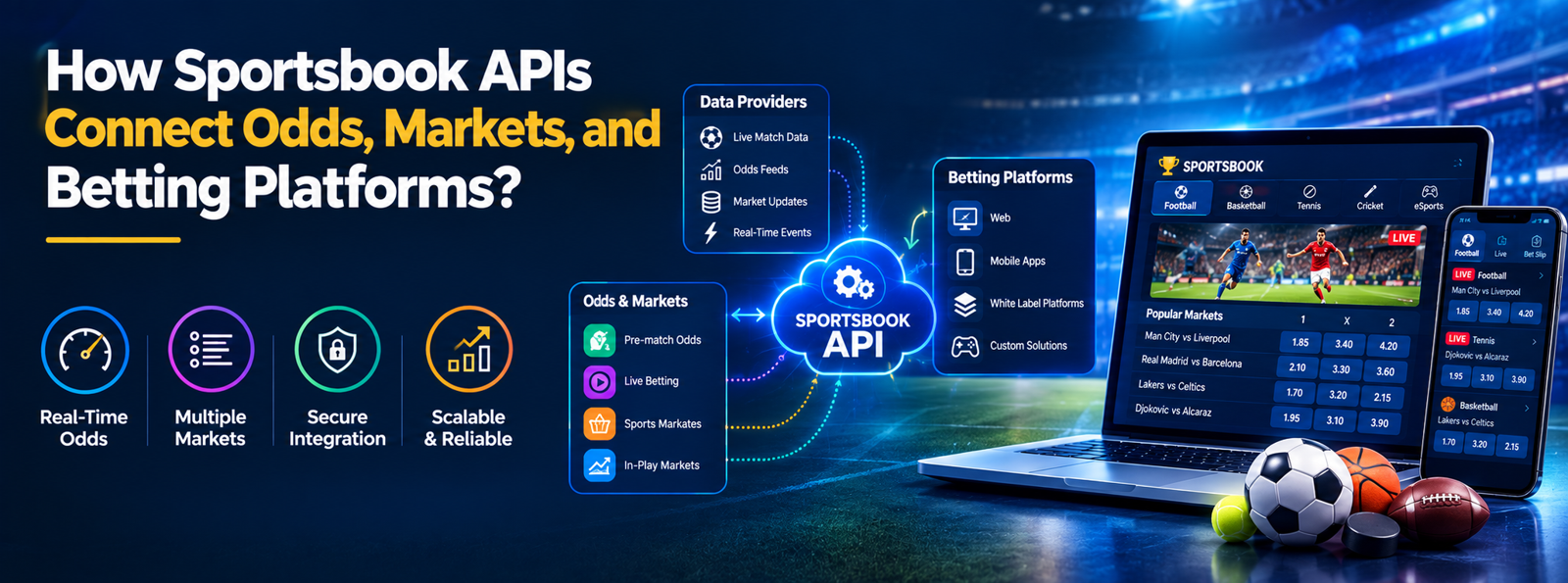
Sports betting markets can change rapidly, particularly during live events. Operators therefore need to understand how the provider handles odds updates, market suspensions, and changes in event availability.
Ask prospective providers about update frequency, data delivery mechanisms, latency management, and the handling of outdated odds. It is equally important to understand what happens when a market becomes temporarily unavailable.
Reliable synchronization helps deliver a more consistent experience and reduces confusion caused by outdated market information. Operators should evaluate these capabilities through technical documentation and practical demonstrations rather than relying solely on marketing claims.
4. Security and Integration Controls
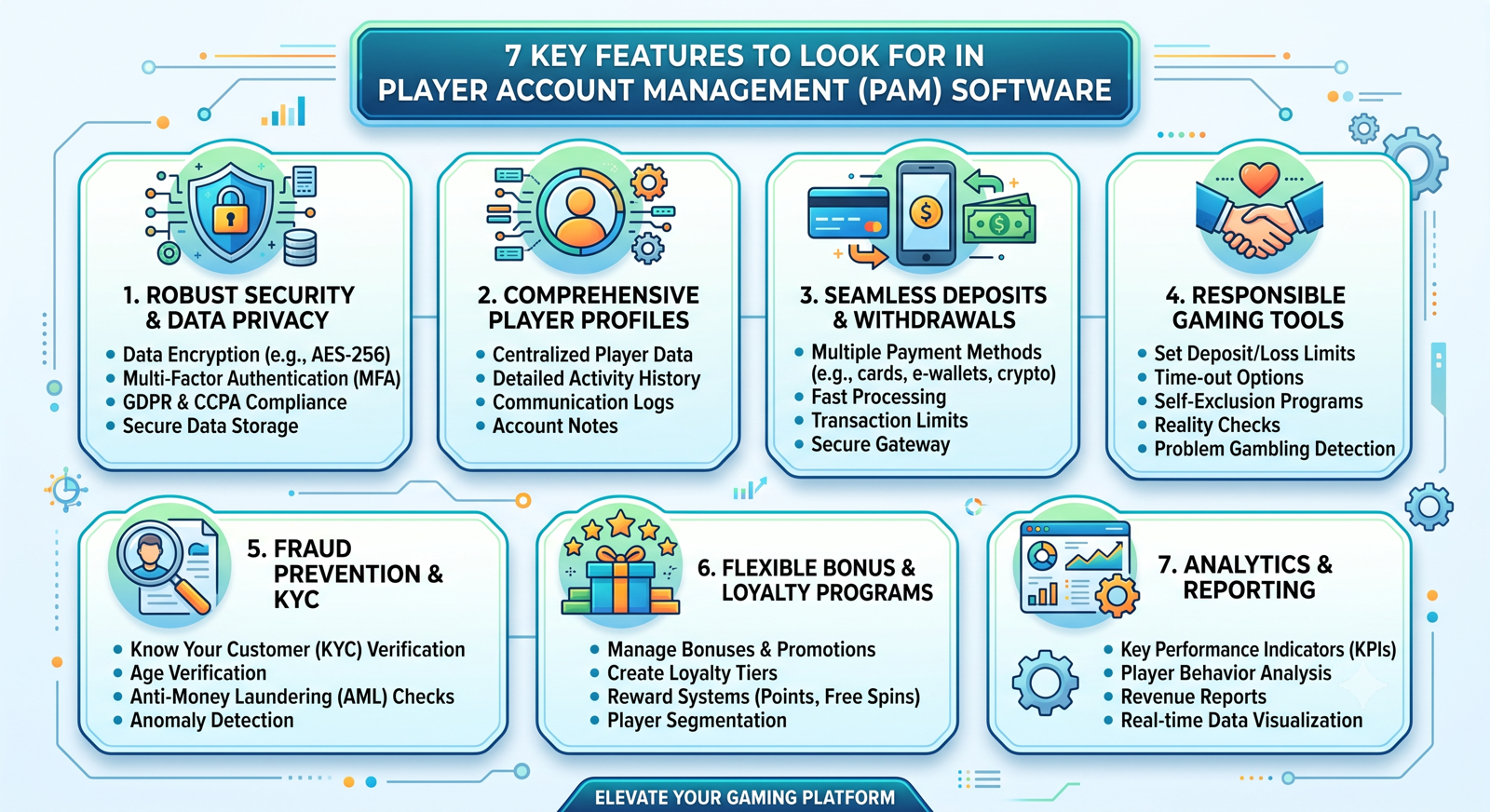
Embedding a sportsbook interface does not eliminate the need for security due diligence. Operators should understand how the iframe communicates with the host platform, how sessions are managed, and what controls protect sensitive account information.
Important considerations include secure connections, access permissions, session handling, monitoring, and clearly defined responsibilities between the operator and provider.
Operators should also confirm how the integration works with their player account management system, authentication processes, and any applicable regulatory requirements.
The exact security responsibilities will depend on the architecture and contractual arrangement, so these details should be documented before launch.
5. Branding and Customization Flexibility
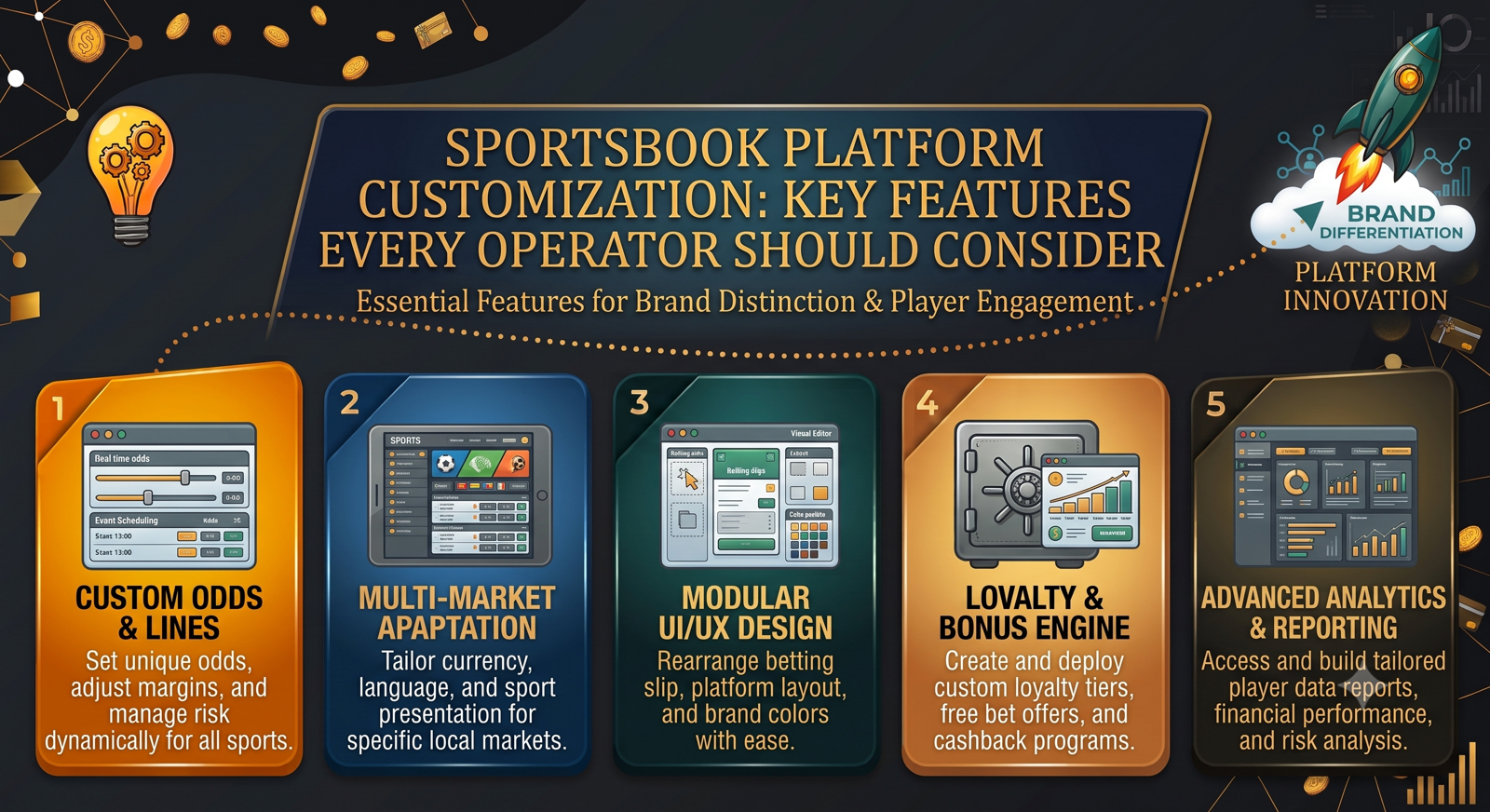
A sportsbook should fit naturally within the operator's broader digital experience. An iframe that looks disconnected from the rest of the website can create an inconsistent brand experience.
Before choosing a provider, ask which elements can be customized, including colors, navigation, layout, and supported language or regional settings. Clarify whether these changes are configurable by the operator or require development support.
It is also worth checking how provider updates affect customizations. A flexible integration should make it possible to maintain a recognizable brand experience without creating unnecessary maintenance overhead.
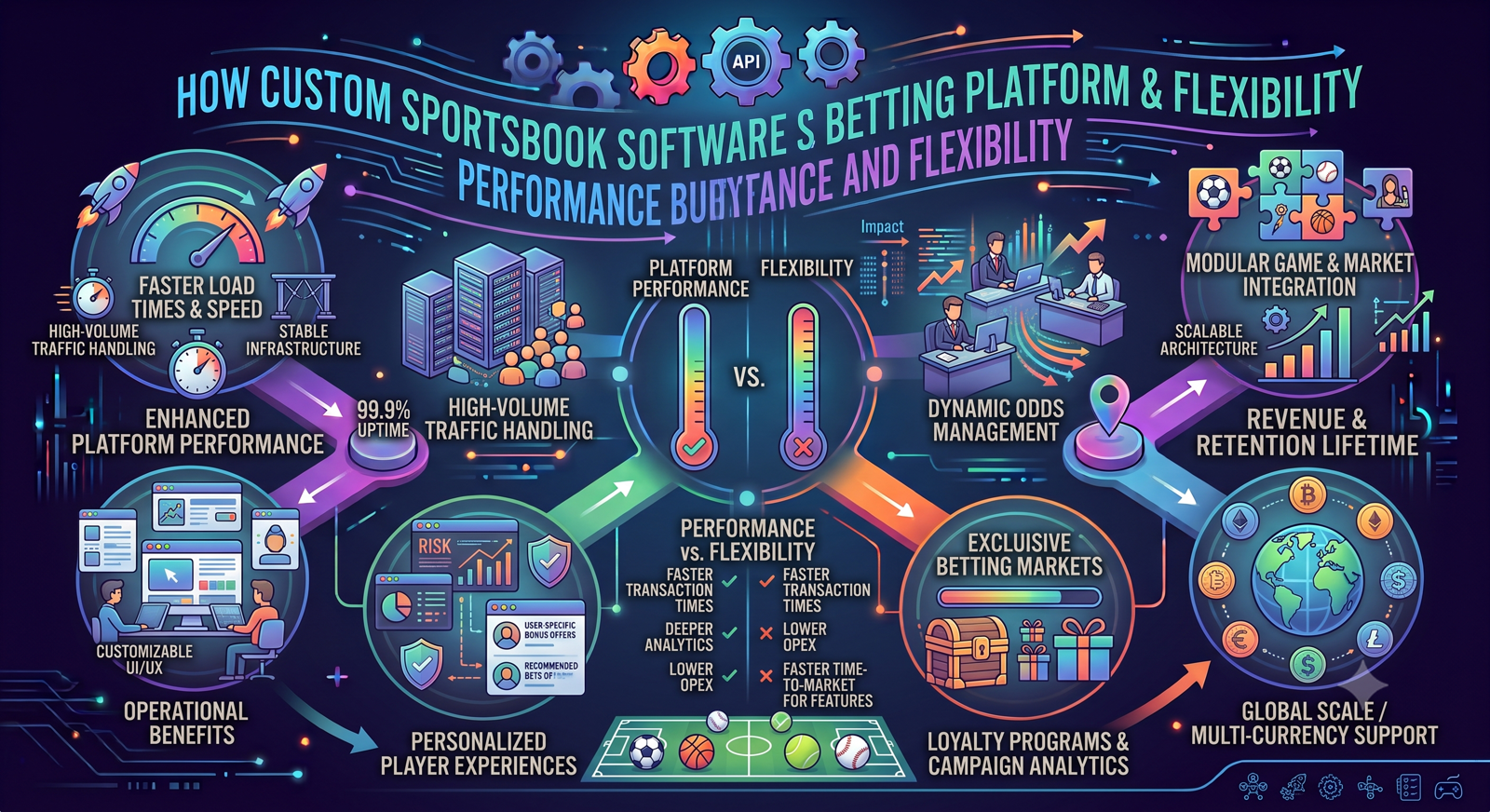
6. Performance, Support, and Scalability
Technical performance is an important consideration during peak sporting events, when traffic and demand may increase substantially. Operators should evaluate the provider's infrastructure, monitoring capabilities, service-level commitments, and incident-response procedures.
Ask about uptime reporting, technical support availability, escalation processes, and planned maintenance. Operators expecting business growth should also confirm whether the solution can support increased traffic and additional markets without requiring a complete integration redesign.
A provider's ongoing support model can be just as important as its initial implementation capabilities.
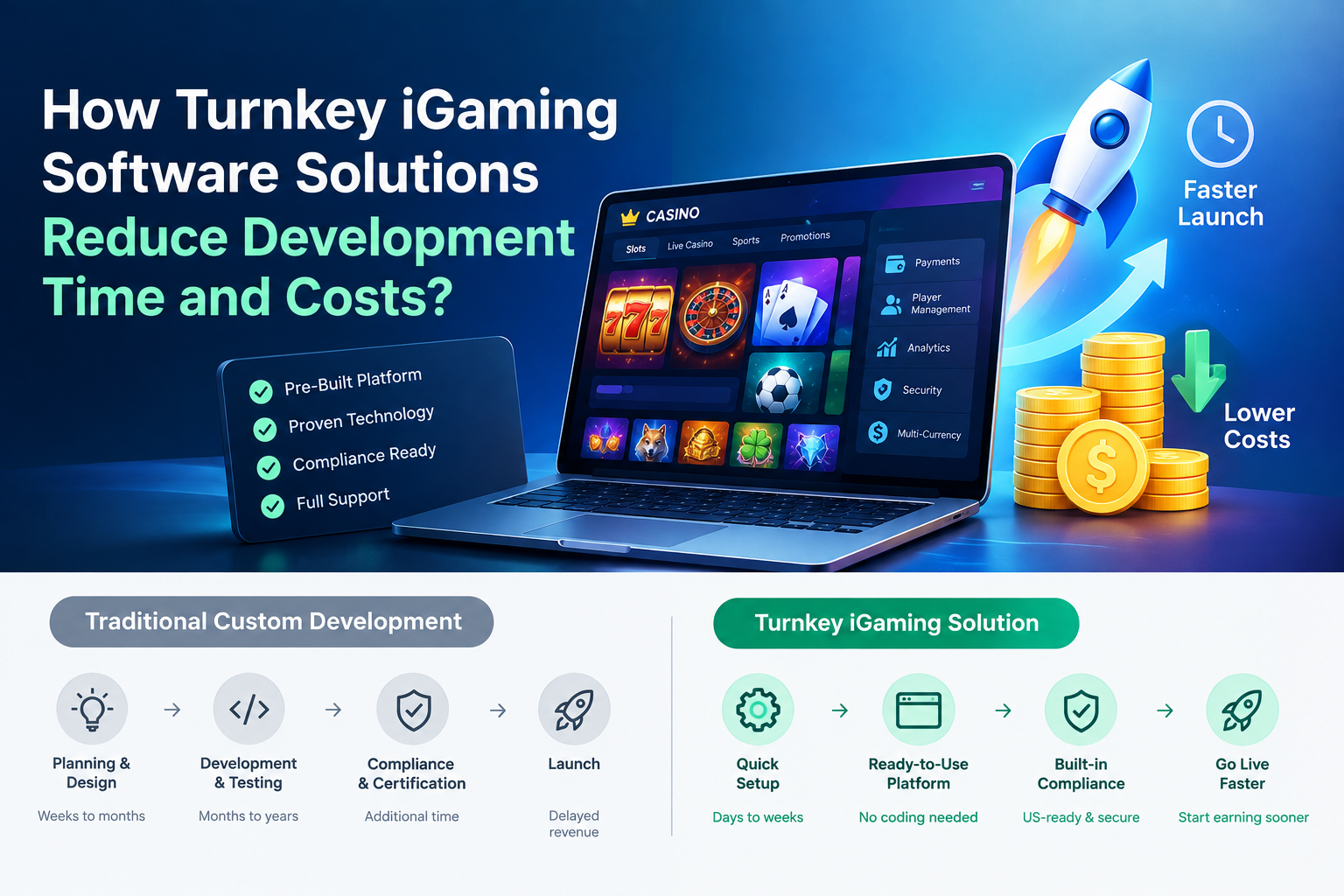
7. Integration Cost and Commercial Terms
The initial integration fee is only one part of the overall cost. Operators should review recurring charges, licensing terms, maintenance responsibilities, customization fees, and any usage-based pricing.
Clarify which services are included in the agreement and which require separate arrangements. Commercial terms should also explain data access, platform updates, technical support, and termination or migration procedures.
A transparent cost structure makes it easier to compare providers based on long-term operational value rather than launch costs alone.
Conclusion
Choosing a sportsbook iframe provider requires balancing integration simplicity with performance, security, customization, and long-term flexibility. A structured evaluation process helps operators identify a solution that aligns with their technical architecture and business objectives.
TIGSPORTSBOOK supports sportsbook technology initiatives with solutions focused on platform integration and operational requirements. Operators evaluating a sportsbook iframe solution should prioritize documented capabilities, clear commercial terms, and a provider that can support their platform as it evolves.






Write a comment ...