
The sportsbook industry has become increasingly technology-driven, with operators looking for platforms that can simplify betting management, improve operational efficiency, and support scalable business models. For businesses working with agents, affiliates, or betting networks, pay per head sportsbook software solutions can provide the infrastructure needed to manage players, wagers, accounts, and financial activity from a centralized platform.
However, choosing the right solution requires more than comparing pricing. Operators need to understand the technology, management tools, integrations, and security features included in the platform.
What Is Pay Per Head Sportsbook Software?
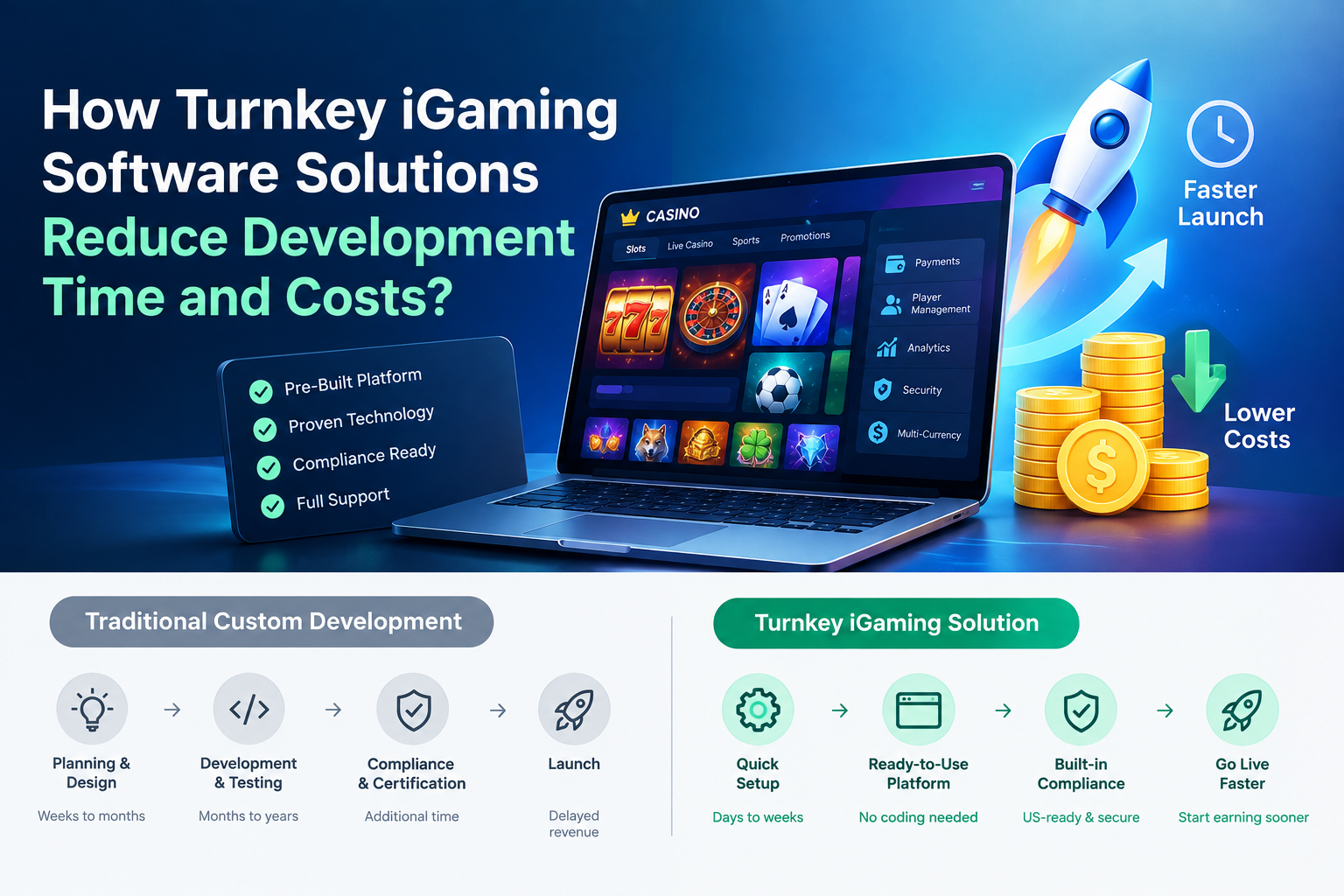
Pay per head (PPH) sportsbook software is designed to help sportsbook operators manage betting operations through a centralized technology platform. Instead of building every sportsbook function from scratch, operators can use an existing software infrastructure to manage players, betting activity, agents, and operational workflows.
The platform typically supports sportsbook management while providing tools for monitoring player activity, managing accounts, tracking balances, and generating reports.
For operators, the objective is to create a streamlined betting environment that can handle growing volumes without adding unnecessary operational complexity.
Essential Features to Look For
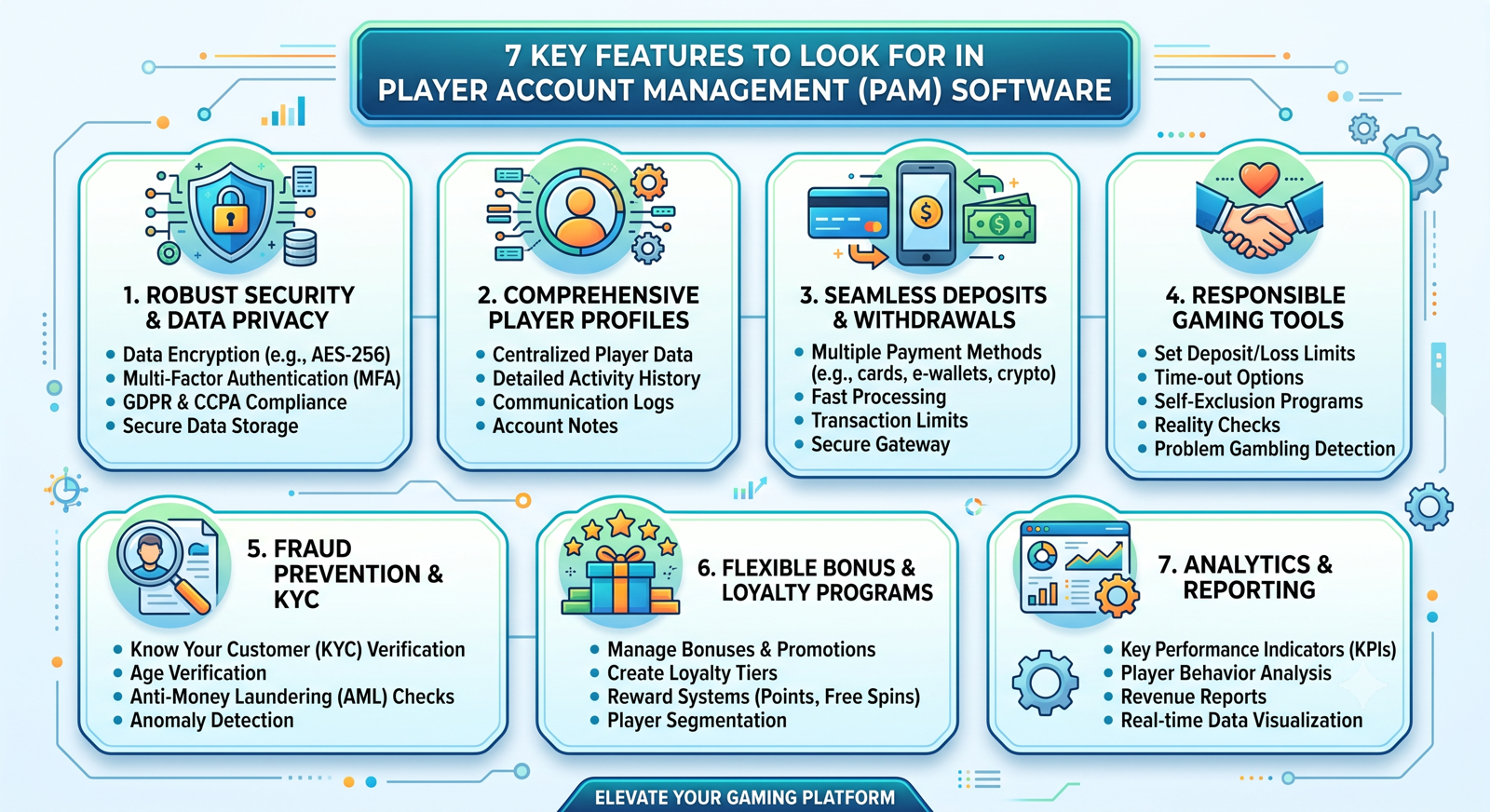
When evaluating pay per head sportsbook software solutions, operators should focus on the functionality that directly affects daily sportsbook operations.
1. Player Management
A centralized player management system allows operators and agents to create, manage, and monitor player accounts from a single interface.
Important capabilities can include account registration, player profiles, betting history, account balances, limits, and activity tracking.
A well-designed player management system also helps operators maintain greater visibility into customer activity.
2. Agent and Bookmaker Management
Agent management is particularly important for PPH sportsbook businesses.
The software should allow administrators to create agent accounts, assign players, establish betting limits, monitor performance, and manage commissions or financial arrangements.
Role-based access can also ensure that agents only have access to the information and functions relevant to their responsibilities.
3. Sportsbook and Betting Integration
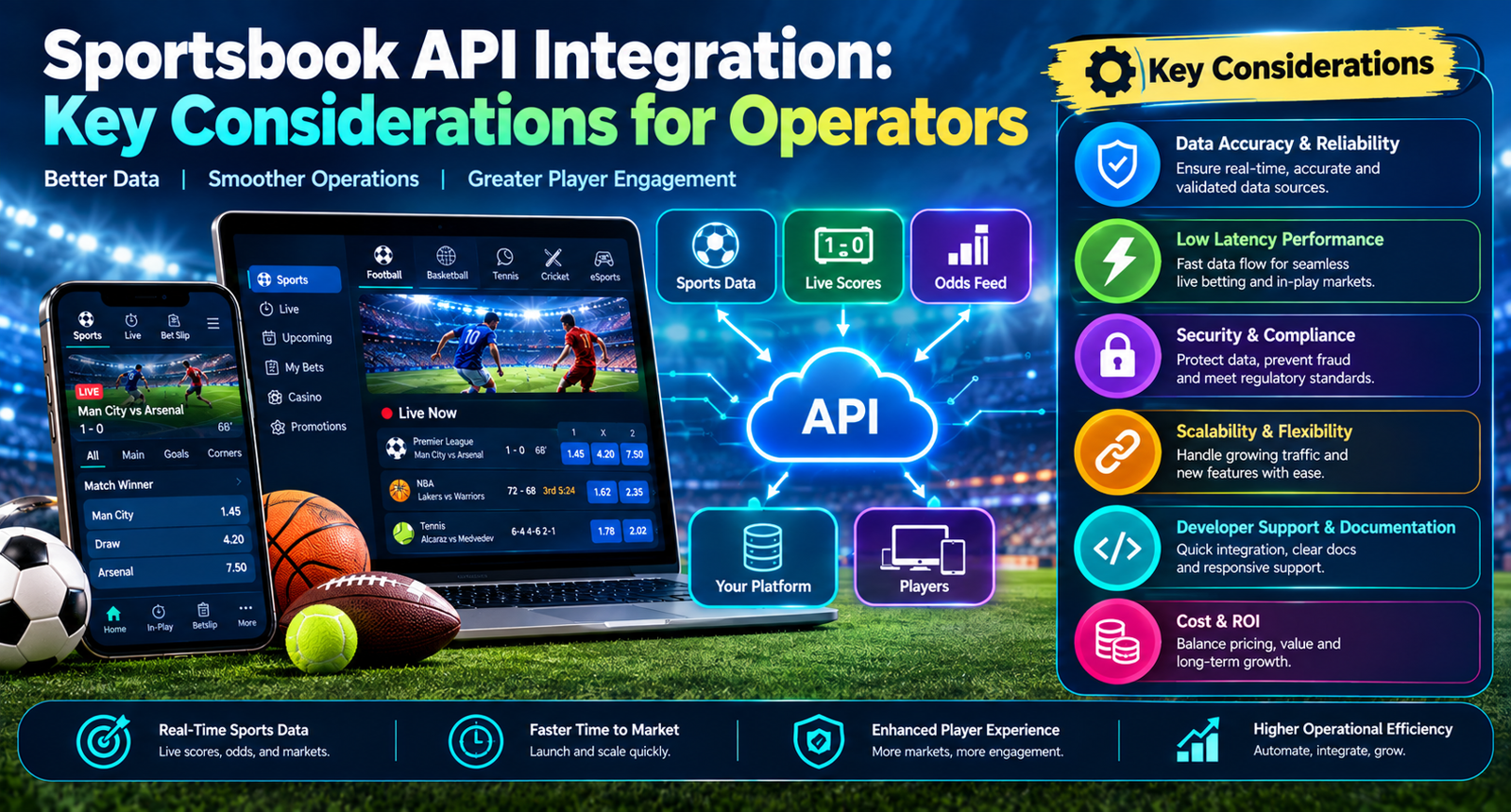
A sportsbook platform needs access to reliable odds and betting markets.
Depending on the solution, operators may require integrations with sportsbook APIs, odds providers, live betting feeds, and other third-party services.
These integrations help operators offer a broader range of sports and betting markets without developing every component internally.
4. Real-Time Bet Management
Betting activity needs to be processed quickly and accurately.
A suitable PPH sportsbook platform should provide tools for managing wagers, monitoring open bets, reviewing betting history, and tracking player activity.
Real-time visibility can help sportsbook teams respond more efficiently to unusual betting patterns, account issues, or operational requirements.
5. Risk Management Tools
Risk management is another critical component.
Operators should look for features that support betting limits, exposure monitoring, account controls, and transaction tracking. These tools can help businesses identify potentially problematic activity and manage sportsbook exposure more effectively.
The exact risk-management capabilities will vary depending on the platform and the integrations being used.
Payments and Financial Management
Payment functionality is an important consideration when selecting sportsbook software.
Operators may need support for deposits, withdrawals, account balances, transaction records, and payment-provider integrations. A centralized financial management system can make it easier to monitor transactions and reconcile sportsbook activity.
Businesses should also evaluate whether the software can support the payment methods and currencies relevant to their target markets.
Reporting and Analytics
Data is essential for understanding sportsbook performance.
A strong pay per head solution should provide reporting tools covering areas such as:
Player activity
Betting volume
Agent performance
Revenue and commissions
Account balances
Transaction history
Sports and market performance
These insights can help operators make more informed decisions about player management, marketing, risk, and business growth.
Security and Access Control
Sportsbook software handles sensitive player and financial information, making security a major consideration.
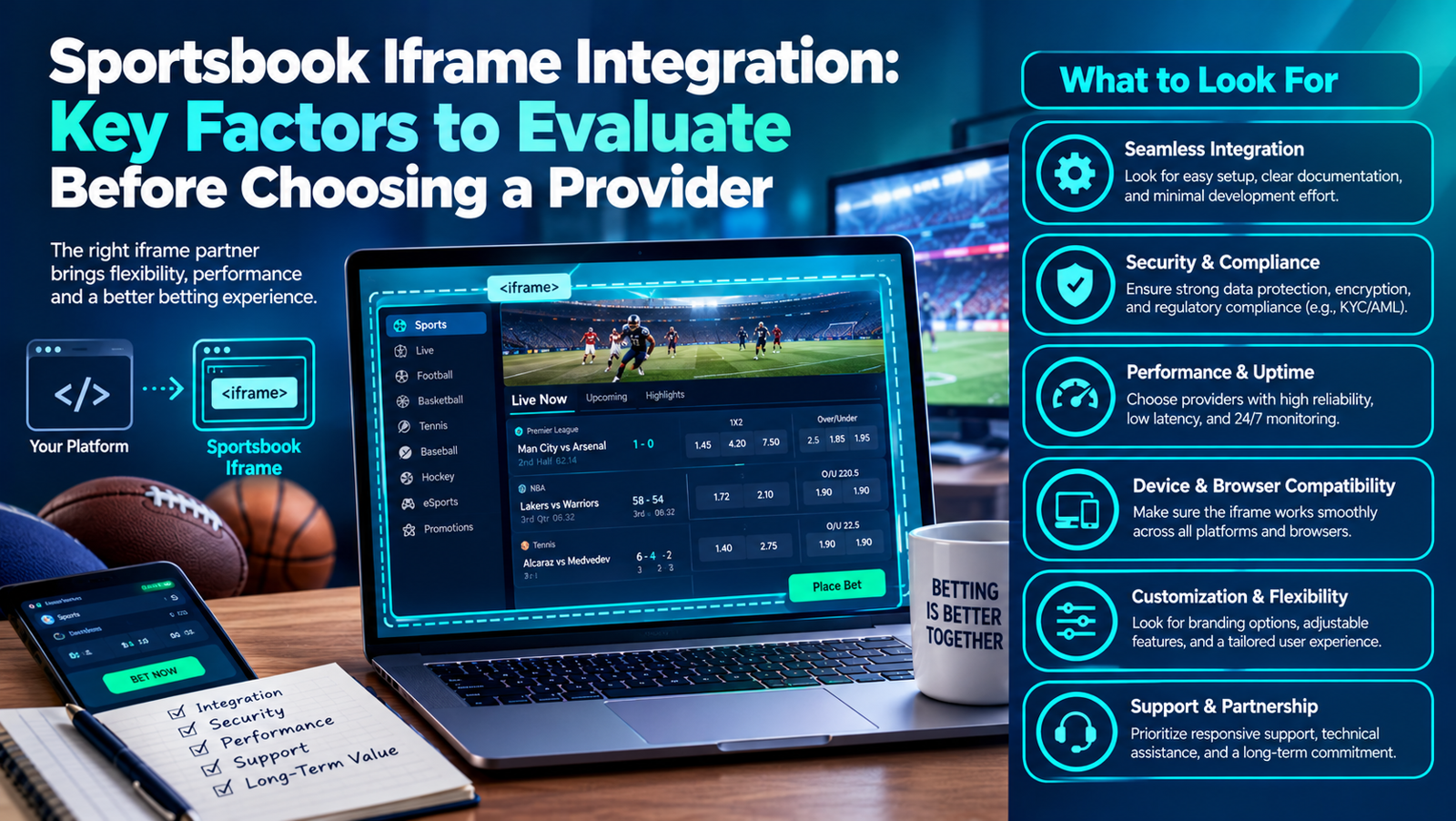
Buyers should evaluate features such as secure authentication, role-based permissions, data protection, activity monitoring, and secure API integrations.
Operators should also assess how the software provider handles infrastructure security, updates, backups, and ongoing technical support.
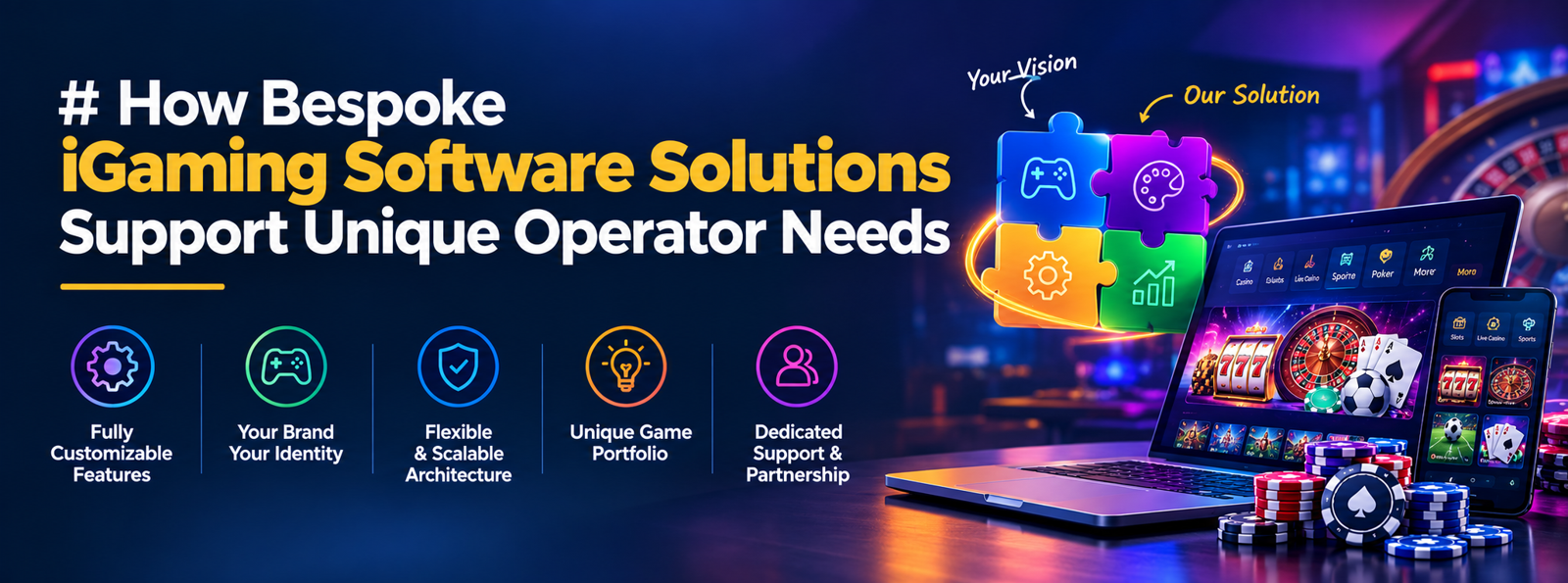
Scalability and Customization
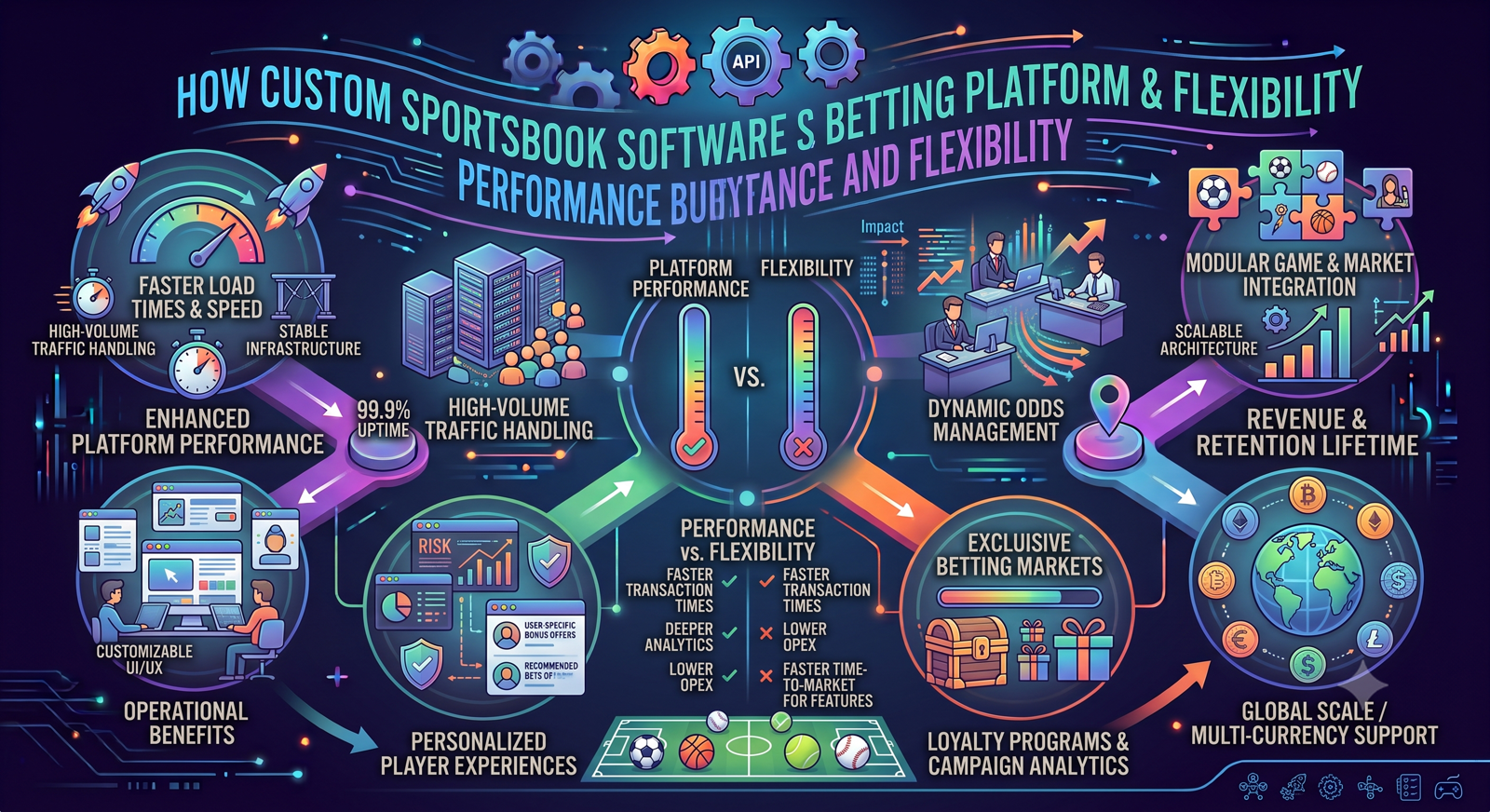
A sportsbook solution should be able to grow alongside the business.
Operators should consider whether the platform can accommodate increasing numbers of players, agents, betting transactions, sports markets, and integrations.
Customization is equally important. Different sportsbook businesses may have different requirements for agent structures, account controls, reporting, payment workflows, and user interfaces.
A configurable platform can therefore provide more flexibility than a rigid, one-size-fits-all solution.
What Should Buyers Ask Before Choosing a Solution?
Before investing in a PPH sportsbook platform, businesses should evaluate several questions:
Which sportsbook and odds APIs can be integrated?
Does the platform support agent and player management?
What reporting and analytics tools are available?
How are betting limits and risk controls managed?
Which payment systems can be integrated?
Does the platform support multiple currencies and markets?
How scalable is the underlying architecture?
What security measures are implemented?
Is customization available?
What technical support is provided after deployment?
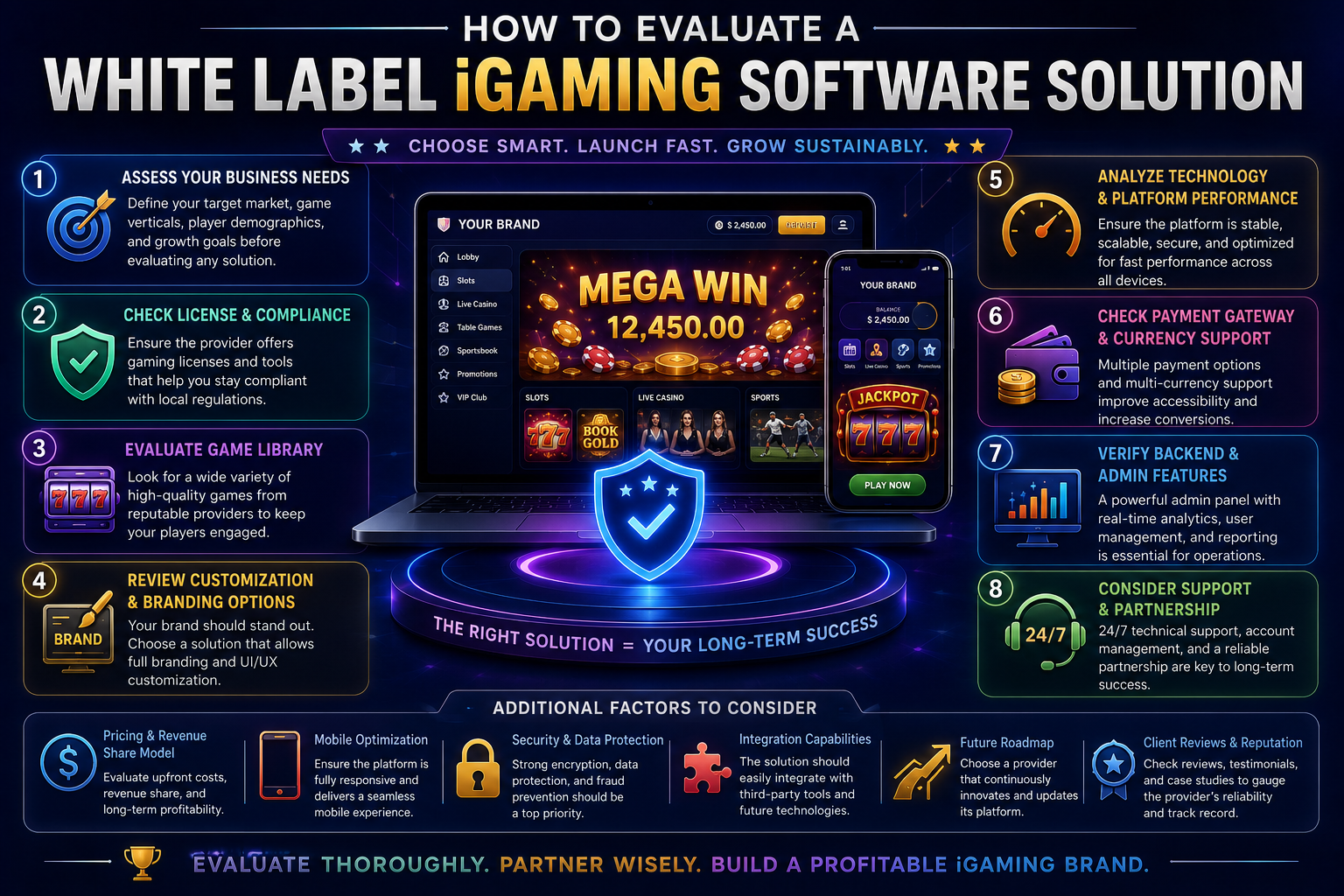
These questions can help businesses compare providers based on functionality rather than simply choosing the lowest-cost option.
Choosing the Right Technology Partner
The right software partner can have a significant impact on sportsbook operations. Businesses should look beyond feature lists and evaluate the provider's technical capabilities, integration options, scalability, support model, and experience with sportsbook technology.
TIGSPORTSBOOK provides sportsbook technology designed to support betting operations with player management, sportsbook integrations, account controls, and other configurable platform capabilities.
Final Thoughts
Choosing among pay per head sportsbook software solutions requires a clear understanding of both current and future business requirements. Player and agent management, sportsbook integrations, risk controls, payment functionality, analytics, security, and scalability should all be part of the evaluation process.
Rather than focusing only on the initial software cost, operators should consider how effectively the platform can support daily operations and adapt as their sportsbook business grows.
A flexible and well-integrated sportsbook solution can give operators the technology foundation needed to manage betting activity more efficiently while creating room for future expansion.









Write a comment ...