
Launching an online sportsbook requires more than offering betting markets and displaying odds. Operators must consider platform functionality, user experience, integrations, risk management, scalability, and the ability to adapt to changing business requirements.
One of the earliest decisions is whether to choose custom development or a ready-made solution. Both approaches can support a sportsbook business, but the right choice depends on the operator's budget, launch timeline, technical capabilities, and long-term objectives.
Understanding the differences between these options can help businesses select sportsbook software development services that align with their operational strategy.
1. What Is Custom Sportsbook Software?
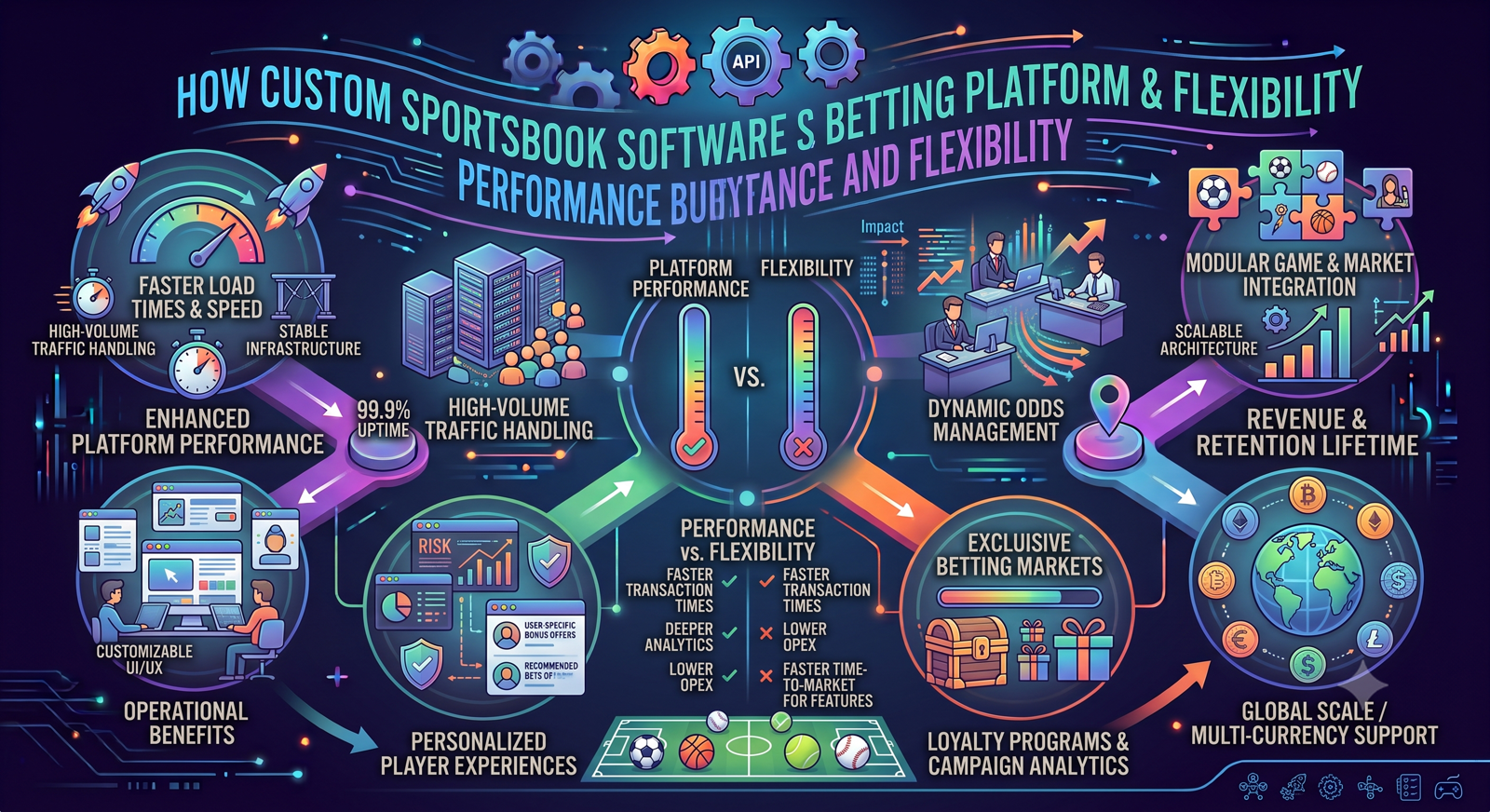
Custom sportsbook software is developed around an operator's specific requirements. The platform's architecture, interface, features, integrations, and administrative tools can be tailored to a defined business model.
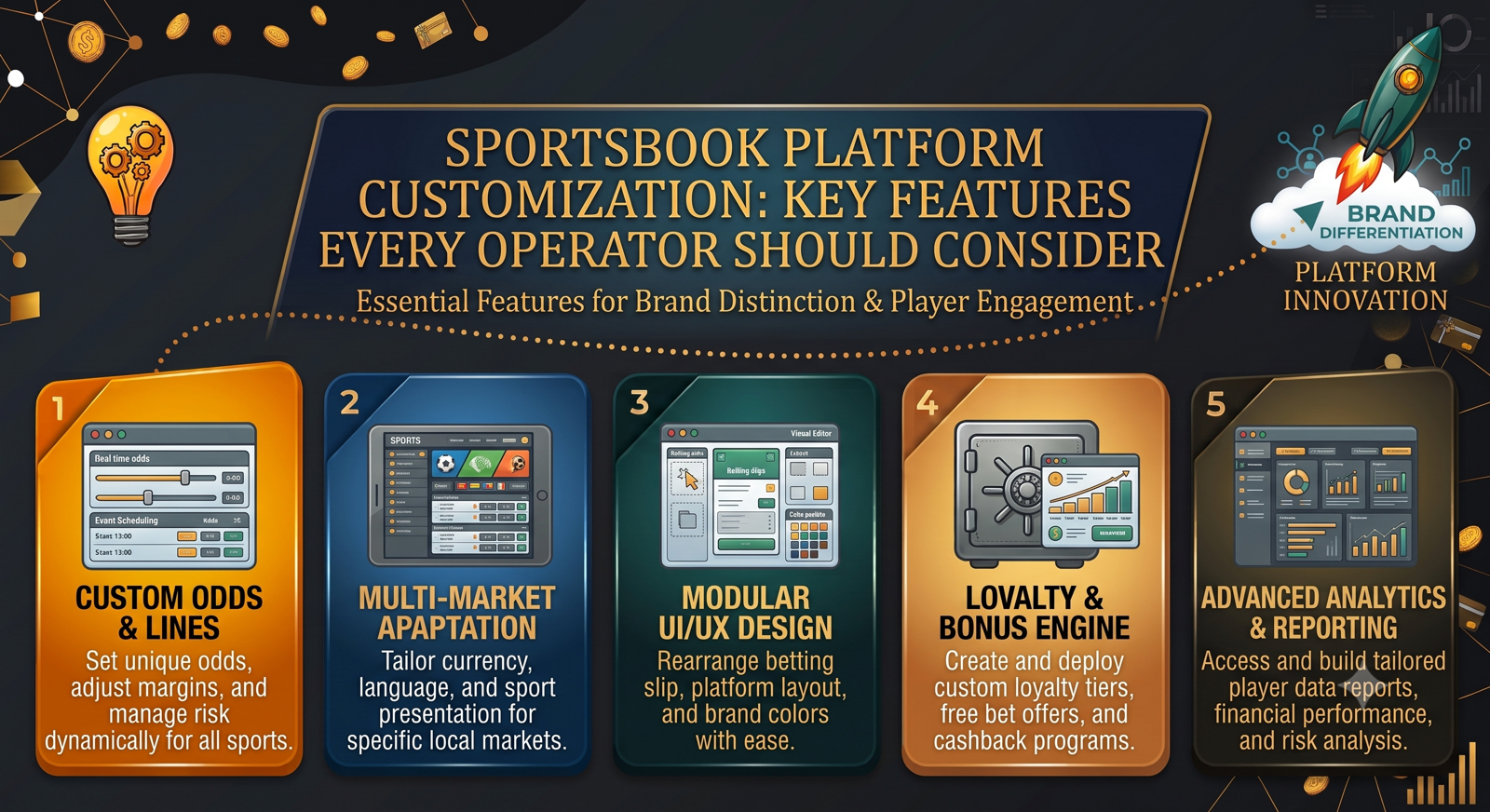
This approach can be useful for businesses that want differentiated betting experiences, specialized workflows, proprietary features, or greater control over the product roadmap.
Key advantages
Greater flexibility: Features and workflows can be designed around specific operational needs.
Product differentiation: Operators can create distinctive interfaces and customer experiences.
Integration control: Technical connections can be planned around the operator's existing systems.
Long-term adaptability: The roadmap can evolve as business priorities change.
Potential challenges
Custom development generally requires more planning, technical oversight, and upfront investment than deploying an established platform. Timelines depend on the scope of work, integration complexity, testing, and applicable regulatory requirements.
Operators should also account for ongoing maintenance, security updates, infrastructure, and specialist staffing where necessary.
2. What Is Ready-Made Sportsbook Software?
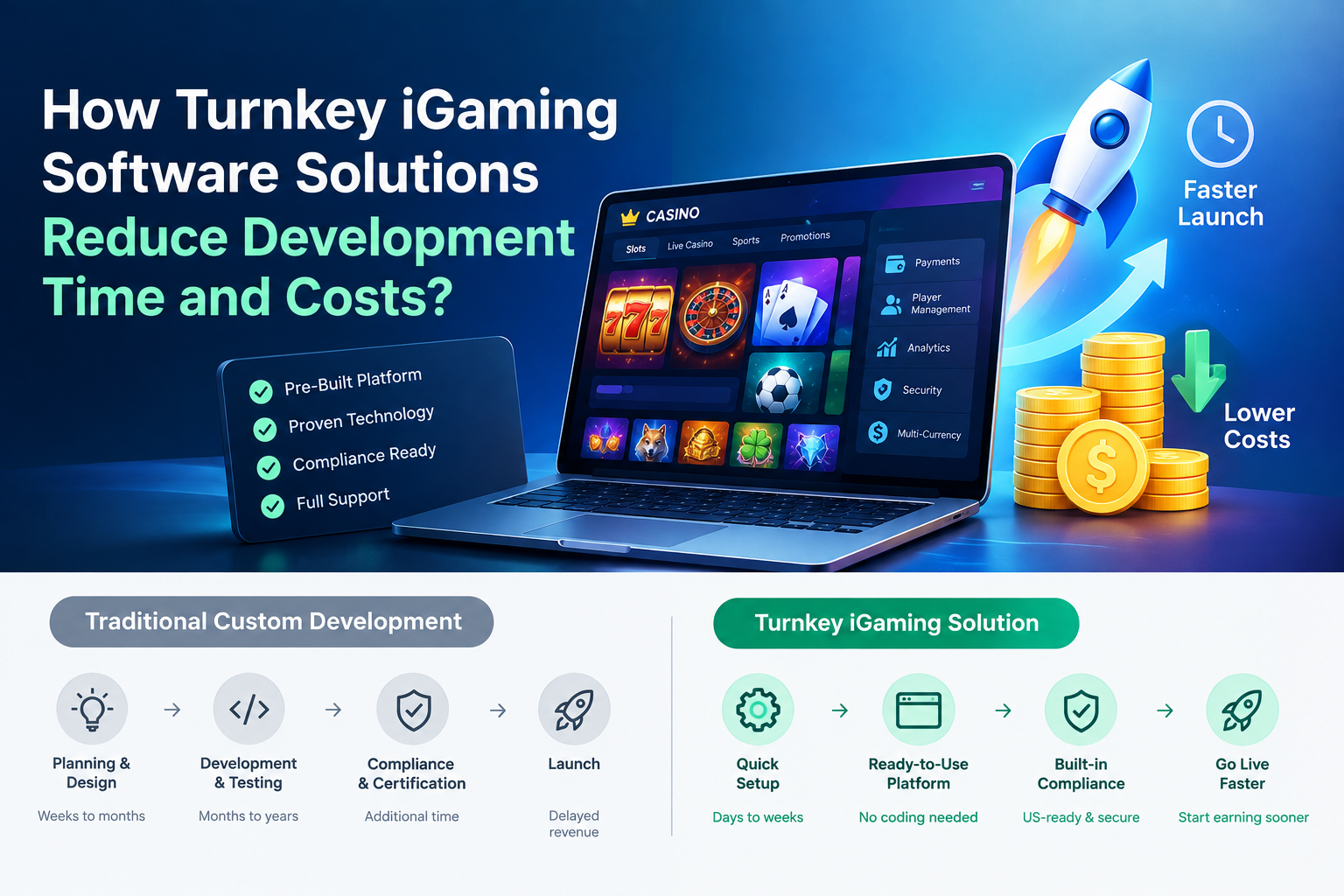
Ready-made sportsbook software uses an existing platform or established set of components that can be configured for an operator. Depending on the provider, the offering may include betting interfaces, market integrations, player account tools, reporting, and administrative functionality.
Some providers offer turnkey or white-label arrangements, while others supply modular software that requires additional integration and customization.
Key advantages
Faster implementation: Existing components can reduce the amount of development required.
Defined functionality: Operators can assess available features before committing.
Reduced development burden: The provider may handle updates, infrastructure, or technical support.
Predictable initial scope: Standard packages can make early planning more straightforward.
Potential challenges
The available feature set may limit differentiation. Customization options can vary, and operators may depend on the provider for updates, integrations, or changes to core functionality.
Before signing an agreement, businesses should review pricing, transaction or revenue-sharing terms, service-level commitments, data access, and exit provisions.
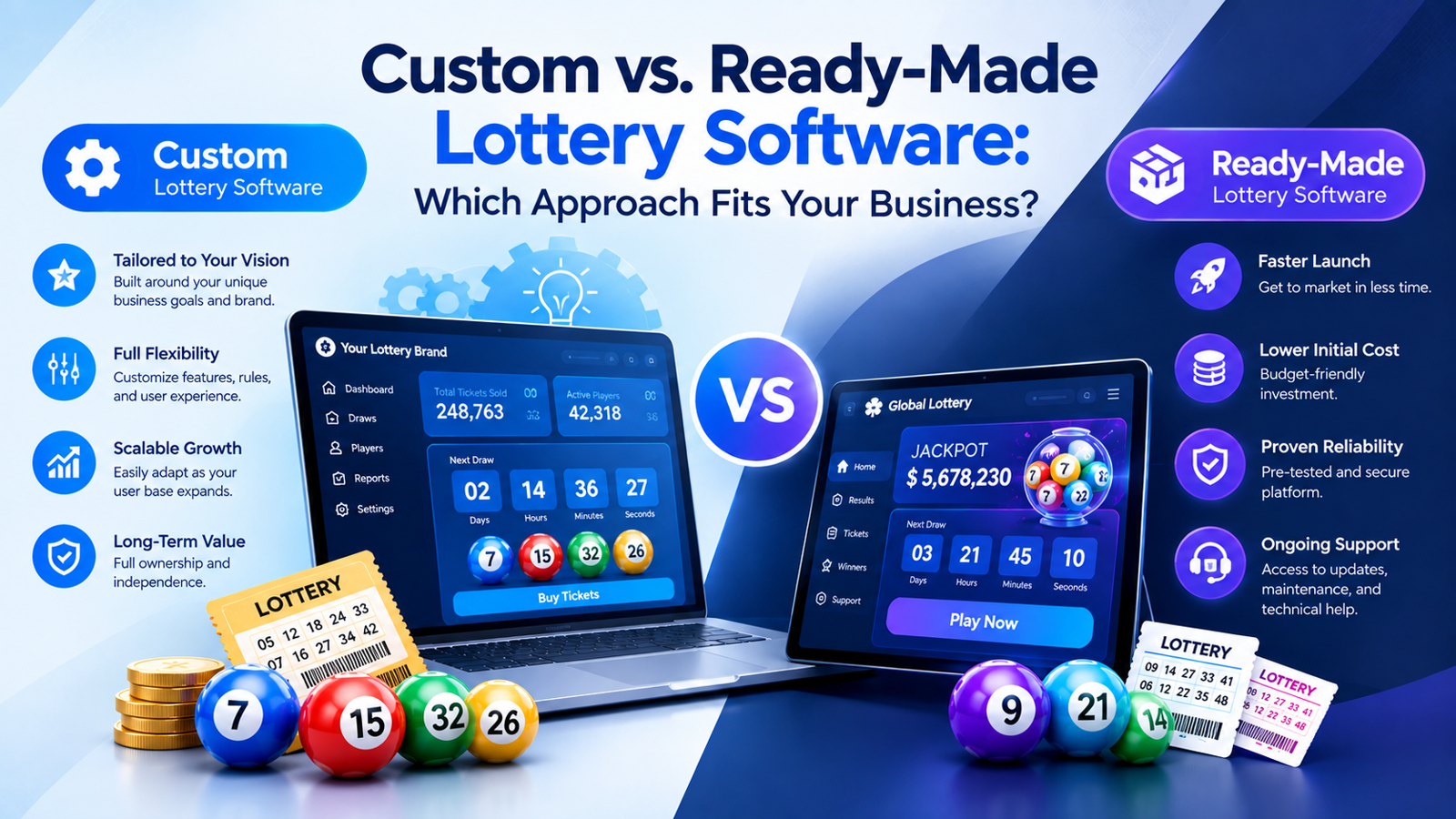
3. Custom vs. Ready-Made: Key Differences
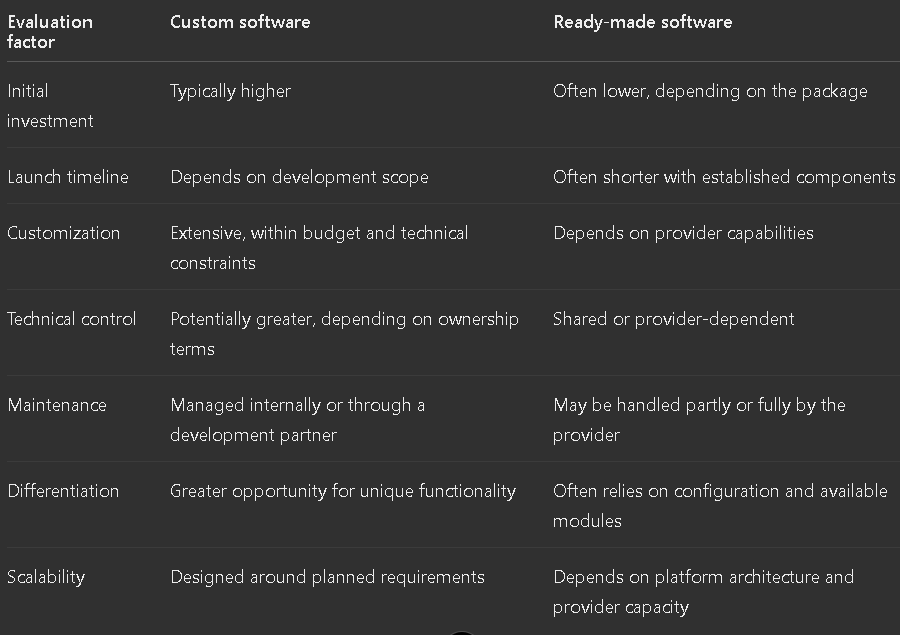
Neither approach is universally better. The comparison should include total cost of ownership, not just the initial implementation price.
4. When Should You Choose Custom Development?
Custom development may be suitable when an operator has a clear product vision that cannot be supported by standard platform features.
For example, an established betting business may need specialized account workflows, unique front-end experiences, proprietary reporting, or integrations with existing business systems.
It can also make sense when the operator wants greater influence over future development priorities and has the resources to manage a more involved implementation.
Before proceeding, define the minimum viable product, prioritize essential features, and establish measurable acceptance criteria. A phased rollout can help control complexity and allow teams to validate the platform before expanding its functionality.
5. When Is Ready-Made Software the Better Option?
Ready-made software can be a practical choice for businesses that prioritize speed, established functionality, and reduced development workload.
Startups and operators testing a new market may benefit from launching with a proven feature set rather than funding a fully bespoke platform from the beginning.
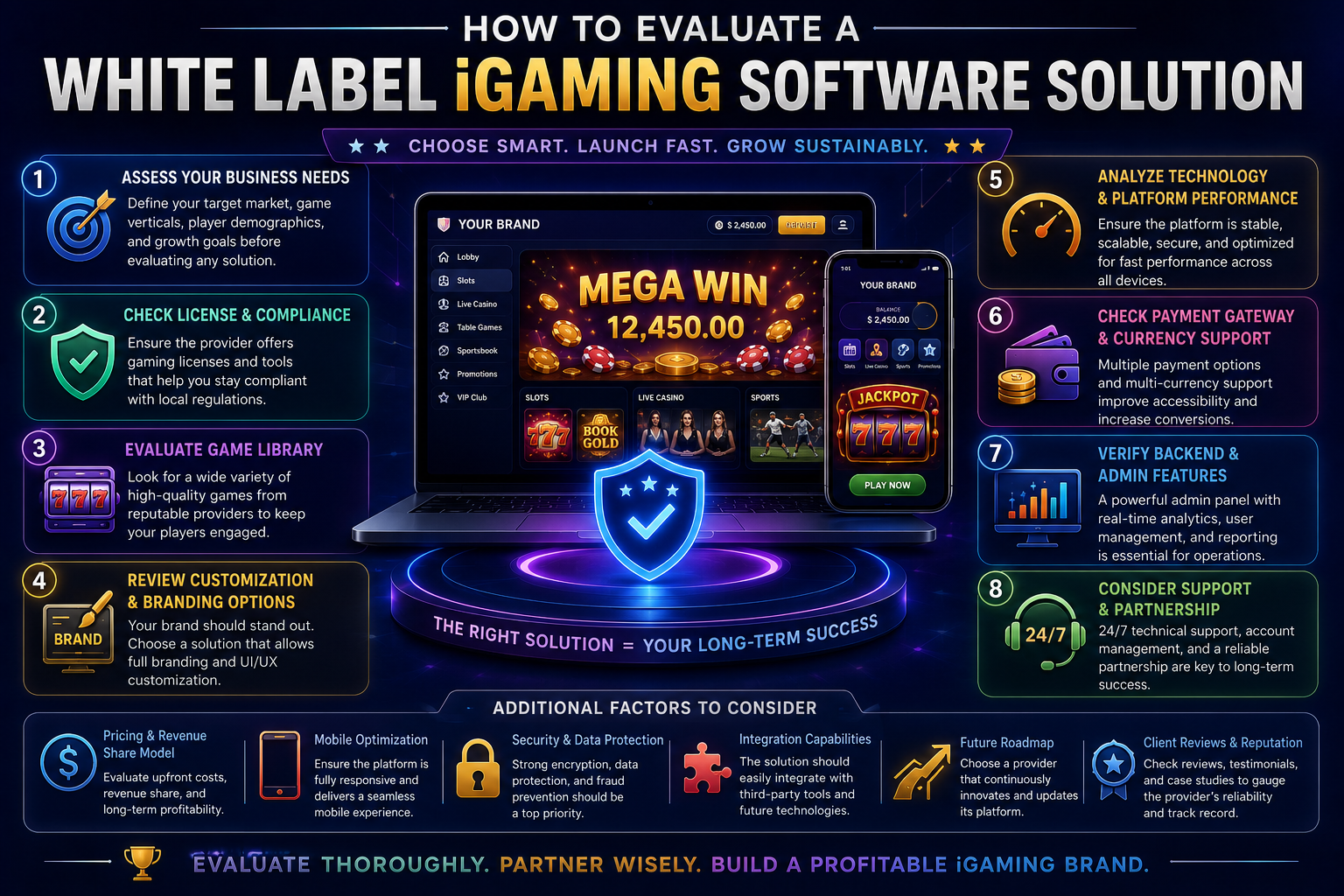
However, speed should not come at the expense of due diligence. Businesses should assess the provider's technical documentation, integration capabilities, security practices, support availability, service reliability, and experience with the intended jurisdiction.
Operators should also establish which responsibilities remain theirs, particularly for licensing, customer verification, responsible gambling, payments, and regulatory reporting.
6. Evaluate Integration, Security, and Compliance
Regardless of the chosen model, a sportsbook platform depends on reliable integrations and sound operational controls.
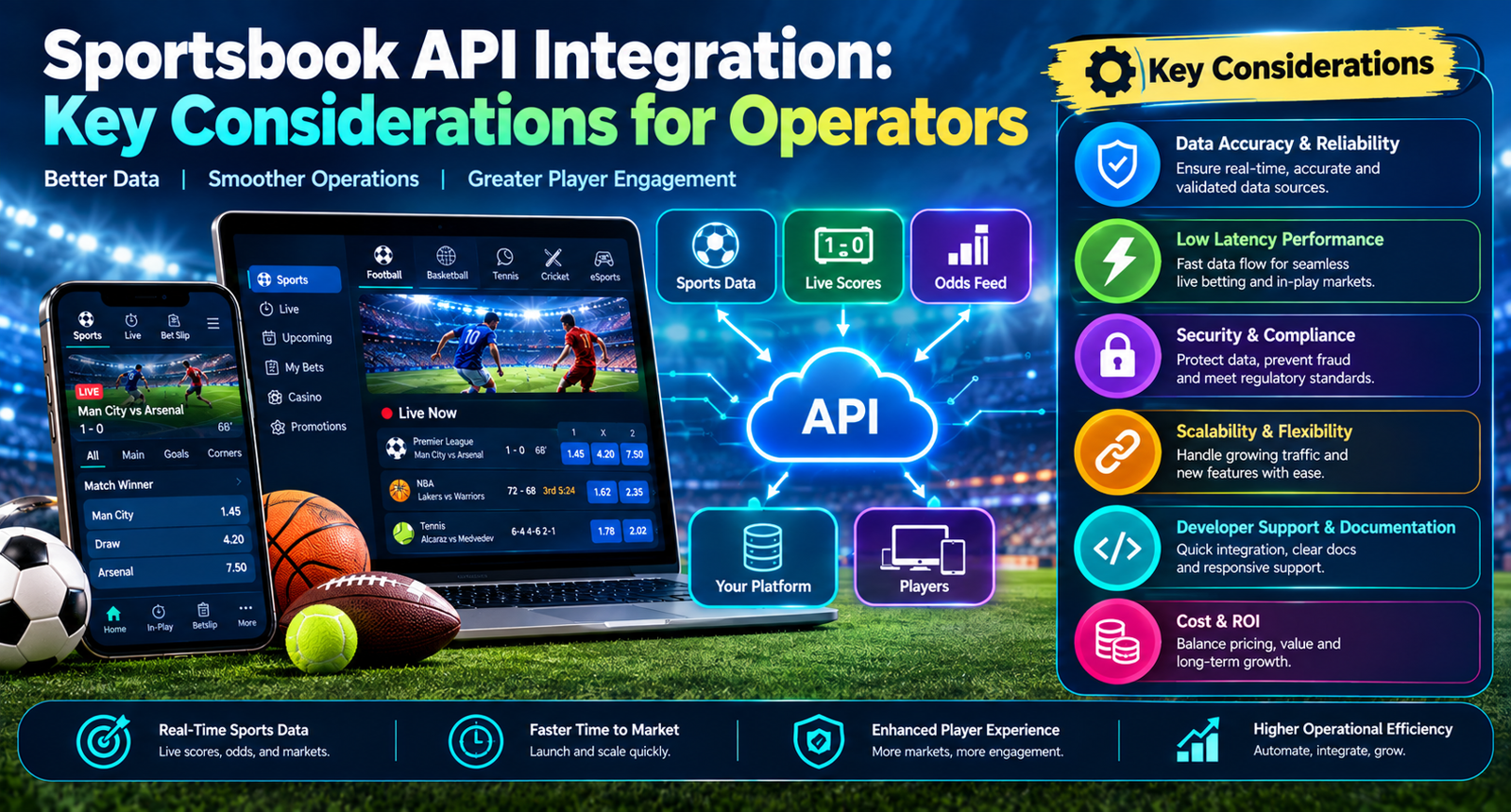
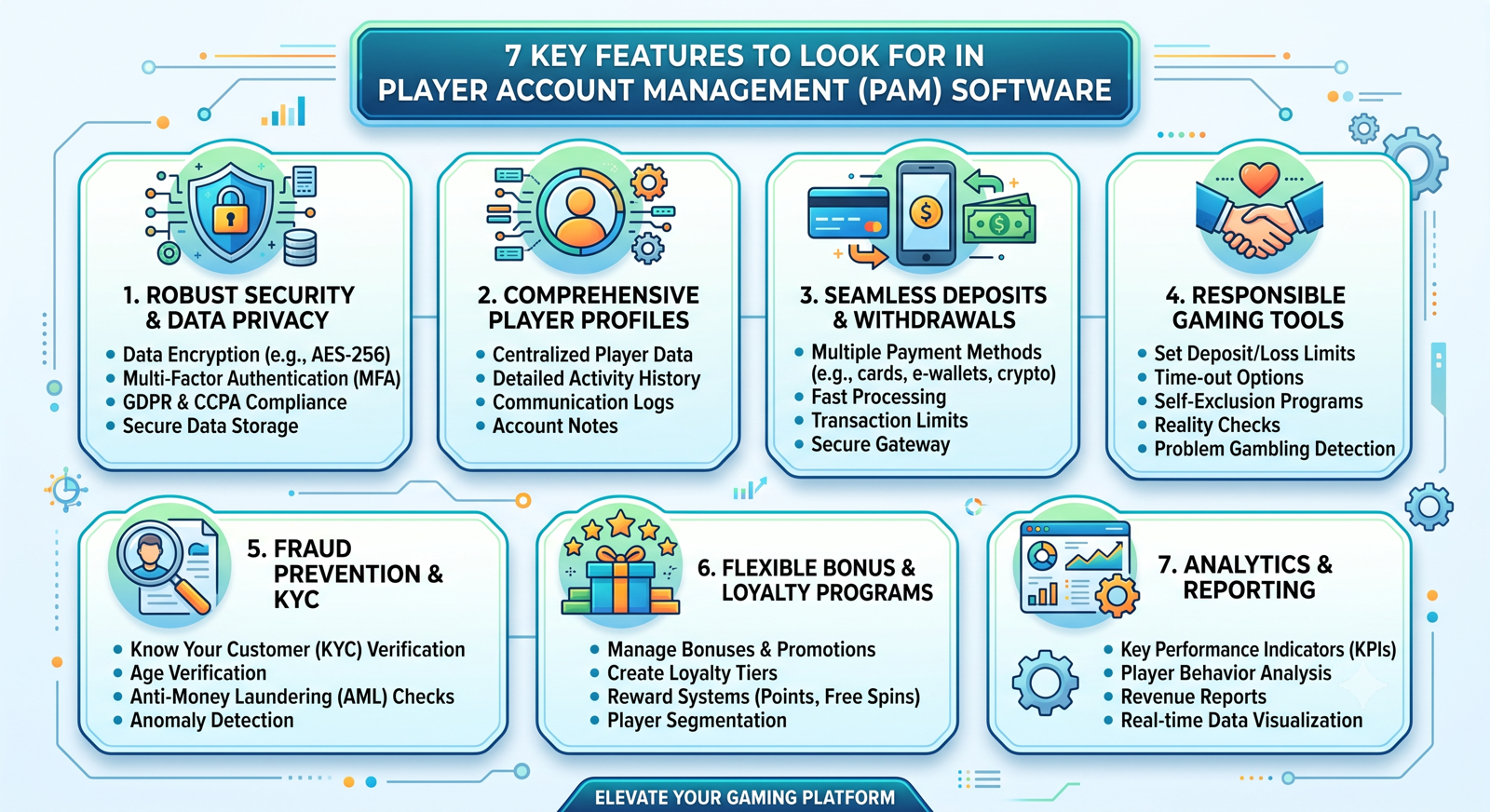
Important considerations include odds and sports data feeds, bet placement and settlement, payment processing, player account management, reporting, and risk-management workflows.
Security reviews should cover access controls, encryption, vulnerability management, monitoring, and incident response. Testing should validate system behavior during high-traffic sporting events and verify that critical workflows remain reliable under load.
Regulatory obligations vary by jurisdiction and product structure. Operators should confirm licensing requirements and applicable technical standards with qualified legal and compliance professionals before launch.
7. Calculate the Total Cost of Ownership
The initial development or licensing price is only one part of the investment. Operators should also evaluate integration fees, hosting, data feeds, support, maintenance, security, licensing, and future upgrades.
For custom software, include internal staffing and long-term engineering costs. For ready-made solutions, review recurring fees, revenue shares, customization charges, and contractual restrictions.
A realistic financial comparison should cover the expected operating period and include contingency funds for unexpected technical or regulatory changes.
Conclusion
The choice between custom and ready-made sportsbook software depends on how much flexibility an operator needs, how quickly the business wants to launch, and what resources it can commit to development and ongoing operations.
Custom software offers greater scope for differentiation, while ready-made solutions can reduce initial development effort and accelerate implementation. Careful evaluation of functionality, integration, security, compliance, and long-term costs is essential before making a decision.
TIGSPORTSBOOK provides sportsbook technology solutions for businesses evaluating their platform requirements. Operators comparing development models should begin with a clear list of must-have features, growth objectives, and operational priorities to identify the approach that best fits their business.





Write a comment ...