
The ability to adapt game formats, entry mechanics, and reward structures can help businesses build more flexible sweepstakes lottery platforms. As operator requirements evolve, rigid systems may make it difficult to introduce new campaigns, adjust promotional rules, or manage different prize configurations without significant development work.
Sweepstake lottery software development enables businesses to create configurable platforms that support different game experiences and operational requirements. By planning for flexibility at the architecture level, operators can simplify platform updates, manage promotional campaigns more efficiently, and prepare their software for future expansion.
Why Flexibility Matters in Sweepstakes Lottery Platforms
Every sweepstakes platform may have different business objectives. Some operators prioritize promotional campaigns, while others require multiple game formats, configurable entry methods, or different reward options.
A platform designed around a single game format can limit future changes. Adding new experiences may require additional development, testing, and integration work.
Flexible software architecture helps address these challenges by separating core platform functions from configurable game rules and promotional settings. Operators can then adapt supported features without rebuilding the entire system for every change.
Important considerations include:
Configurable game formats and campaign settings
Flexible entry and eligibility rules
Adjustable reward configurations
Centralized administration and reporting
Integration capabilities for future platform enhancements
This approach allows businesses to plan for changing requirements while maintaining consistent operational controls.
Supporting Multiple Game Formats Through Configurable Architecture
Different game formats can require different interfaces, entry workflows, validation rules, and result-handling processes. A flexible platform should accommodate these differences without creating disconnected systems for every game.
Modular architecture is one way to achieve this objective. Shared services can handle common functions such as user accounts, permissions, reporting, and transaction records, while individual game modules manage their specific rules and interactions.
For example, an operator might want to support several promotional game formats on the same platform. Rather than developing every feature independently, the software can use reusable components and configurable settings where appropriate.
This approach can provide several advantages:
Faster feature updates: Reusable components can reduce duplicated development work when introducing supported game variations.
Simplified maintenance: Shared services provide a consistent way to manage common functions across different game formats.
Greater adaptability: Modular components make it easier to plan new integrations and platform enhancements.
Consistent administration: Operators can manage supported experiences through a centralized administrative interface.
The right architecture depends on the platform's expected scale, game mechanics, technical requirements, and applicable legal framework.
Designing Adaptable Reward Structures and Prize Workflows
Reward configuration is another important part of sweepstakes platform development. Different campaigns may use different prize categories, eligibility conditions, promotional periods, and distribution procedures.
A configurable reward engine can help operators manage these requirements through defined rules rather than relying on manual adjustments for every campaign.
Depending on the product model, relevant capabilities may include:
Defining prize categories and campaign-specific reward rules
Setting eligibility conditions and promotional timeframes
Validating entries before processing results
Recording prize allocation and fulfillment status
Maintaining an audit trail for administrative changes
Generating reports on campaign performance and prize distribution
For example, an operator running separate seasonal campaigns may need different prize configurations and eligibility requirements for each campaign. A properly designed system can keep these settings separate while applying consistent validation and reporting processes.
Reward workflows should also account for exceptional cases, including disputed entries, failed fulfillment, duplicate records, and administrative corrections. Clear procedures and traceable records can improve accountability and reduce avoidable operational errors.
Integrating Entry Validation, User Accounts, and Reporting
Flexible game formats and reward structures work best when they are supported by reliable platform services.
Entry validation helps determine whether submitted entries meet the applicable rules. User account functionality supports account administration and relevant eligibility checks. Reporting tools help authorized teams review campaign activity and identify operational issues.
Integrating these functions can reduce data silos and improve visibility across the platform.
Before selecting or developing a solution, businesses should evaluate how the software handles:
Entry management: Recording submissions and applying the relevant validation rules.
Account administration: Managing user information, permissions, and eligibility-related workflows.
Campaign monitoring: Reviewing participation, campaign status, and operational performance.
Prize tracking: Recording allocation, fulfillment, and exceptions.
Data protection: Applying appropriate access controls, security measures, and retention policies.
Integrations with payment providers, CRM systems, analytics platforms, and other services should be assessed according to the intended product model. Not every sweepstakes platform requires the same integration stack.
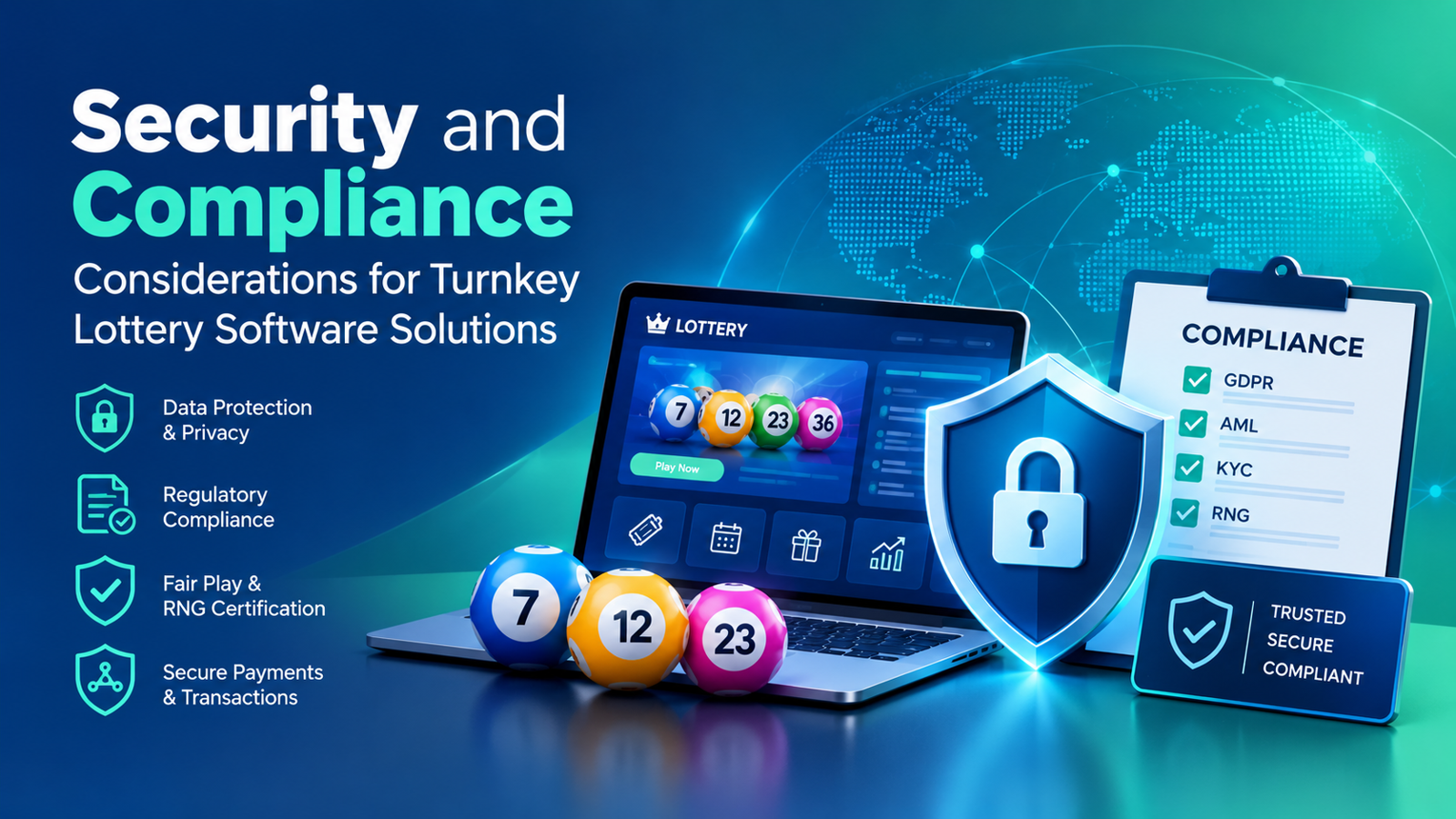
Balancing Customization, Security, and Compliance
Flexibility should not come at the expense of security or operational control. Allowing unrestricted changes to entry rules, reward settings, or eligibility conditions can introduce inconsistencies and increase the risk of errors.
A well-planned platform should include role-based access controls, approval workflows for sensitive changes, versioned configuration records, and appropriate logging.
Testing is equally important. Changes to game rules or reward settings should be validated before release to confirm that the platform applies the intended logic consistently.
Businesses must also evaluate the laws and regulations relevant to their intended markets and product design. Sweepstakes eligibility, consideration, prize disclosures, promotional rules, and other requirements can vary by jurisdiction. Software capabilities alone do not establish legal compliance, so operators should obtain appropriate legal guidance before launching.
How TRUEiGTECH Fits Into Sweepstakes Platform Planning
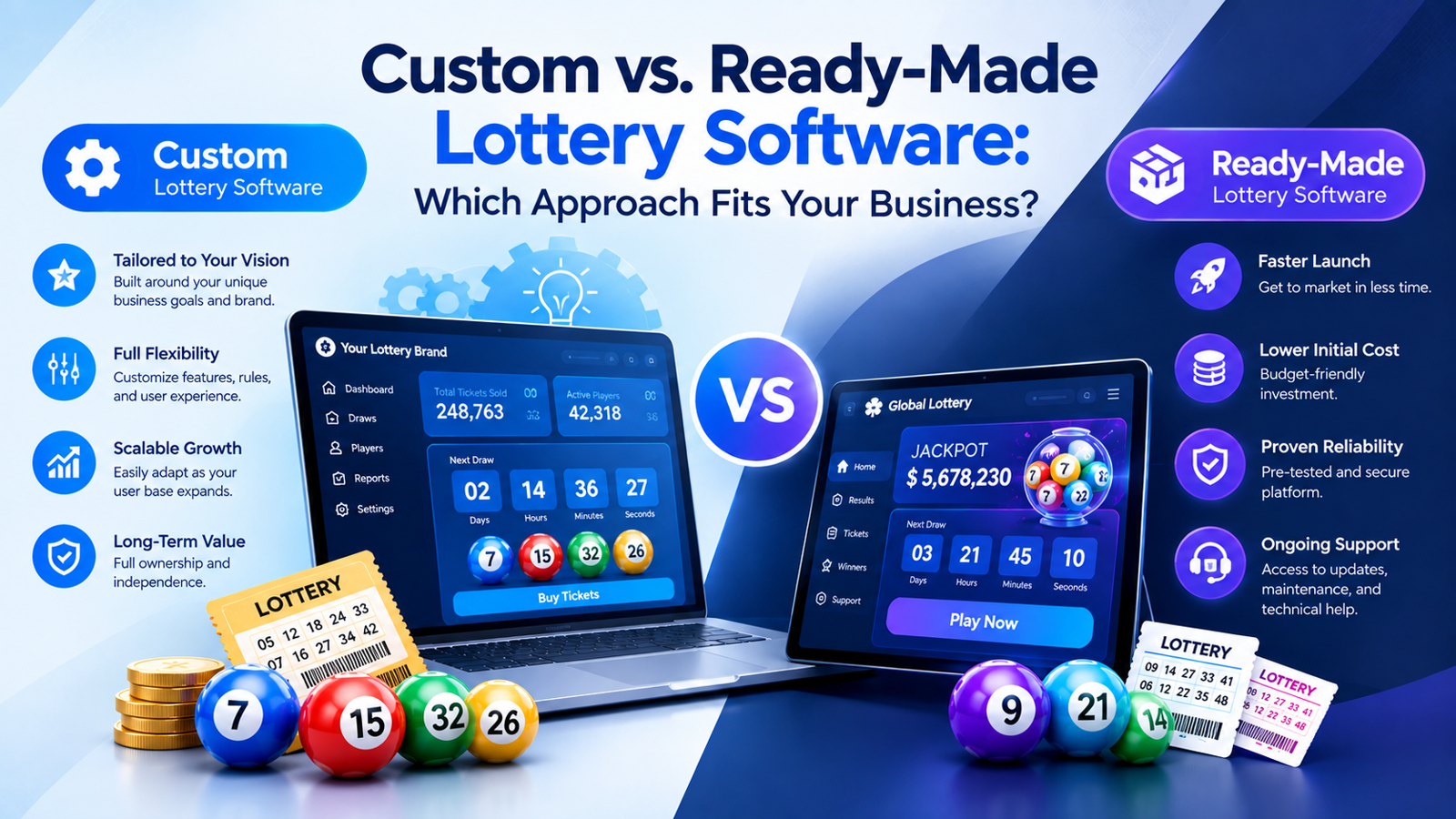
Choosing a development partner involves more than evaluating the initial feature list. Businesses should consider how the proposed architecture supports configuration, future integrations, ongoing maintenance, security, and operational growth.
TRUEiGTECH provides iGaming software solutions, including configurable platform capabilities for businesses evaluating gaming technology. When assessing a potential solution, operators should discuss their intended game formats, reward workflows, administrative requirements, integration needs, and target markets to determine the appropriate technical approach.
A clear requirements assessment can help establish which capabilities should be configurable, which require custom development, and how the platform should be tested before launch.
Conclusion
Flexible game formats and reward structures require a platform built to accommodate change without compromising consistency or control. Through modular architecture, configurable campaign rules, integrated reporting, and well-defined security processes, sweepstakes operators can build systems that are easier to maintain and adapt.
Sweepstake lottery software development should therefore be approached as a long-term platform investment rather than a one-time implementation. Businesses evaluating their options can work with TRUEiGTECH to discuss their requirements and identify a suitable software architecture for their intended operating model.




Write a comment ...